-
Solving Municipal Solid Waste Management Challenges in Arctic Cities
›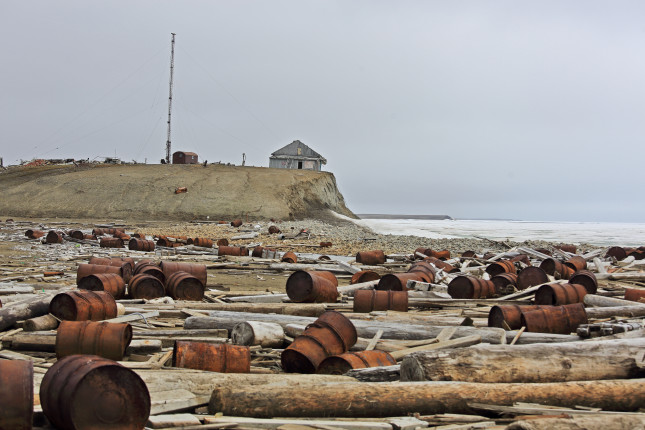
The Arctic was once untouched and pristine. However, over the years, the polar environment has experienced ecological damage caused by extensive resource exploration, military activities, and contamination from sources originating outside of the region. The extent and implications of the human-induced pollution legacy are still awaiting comprehensive estimation, measures, and solutions.
-
Water @ Wilson | The Significance of the Coming El Niño: Understanding the Science and Preparing for Its Impacts
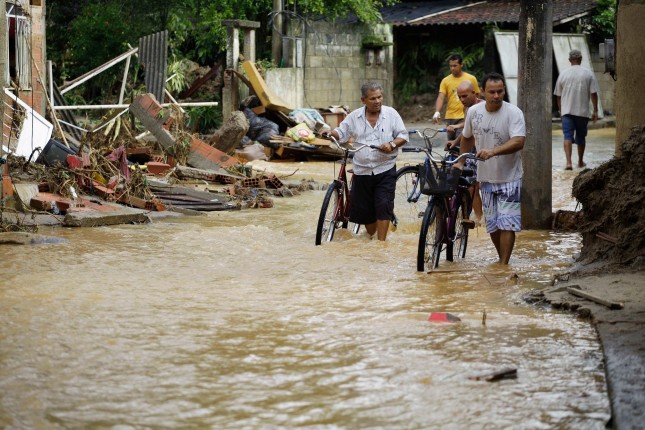
›When the National Oceanic and Atmospheric Association (NOAA) declared the beginning of an El Niño event on June 8, 2023, the recurring climate pattern featured in headlines all over the world as media outlets sought to cover its anticipated impacts.
A recent Water @ Wilson event –“The Significance of the Coming El Niño: Understanding the Science and Preparing for its Impacts”—brought together experts at the Wilson Center to explain the complex science behind El Niño and explore its regional implications. The speakers also surveyed the policy tools at our disposal to prepare for its significant climate effects.
-
Bottom-up Moo-vement: Reducing Methane Emissions from US and Chinese Cows
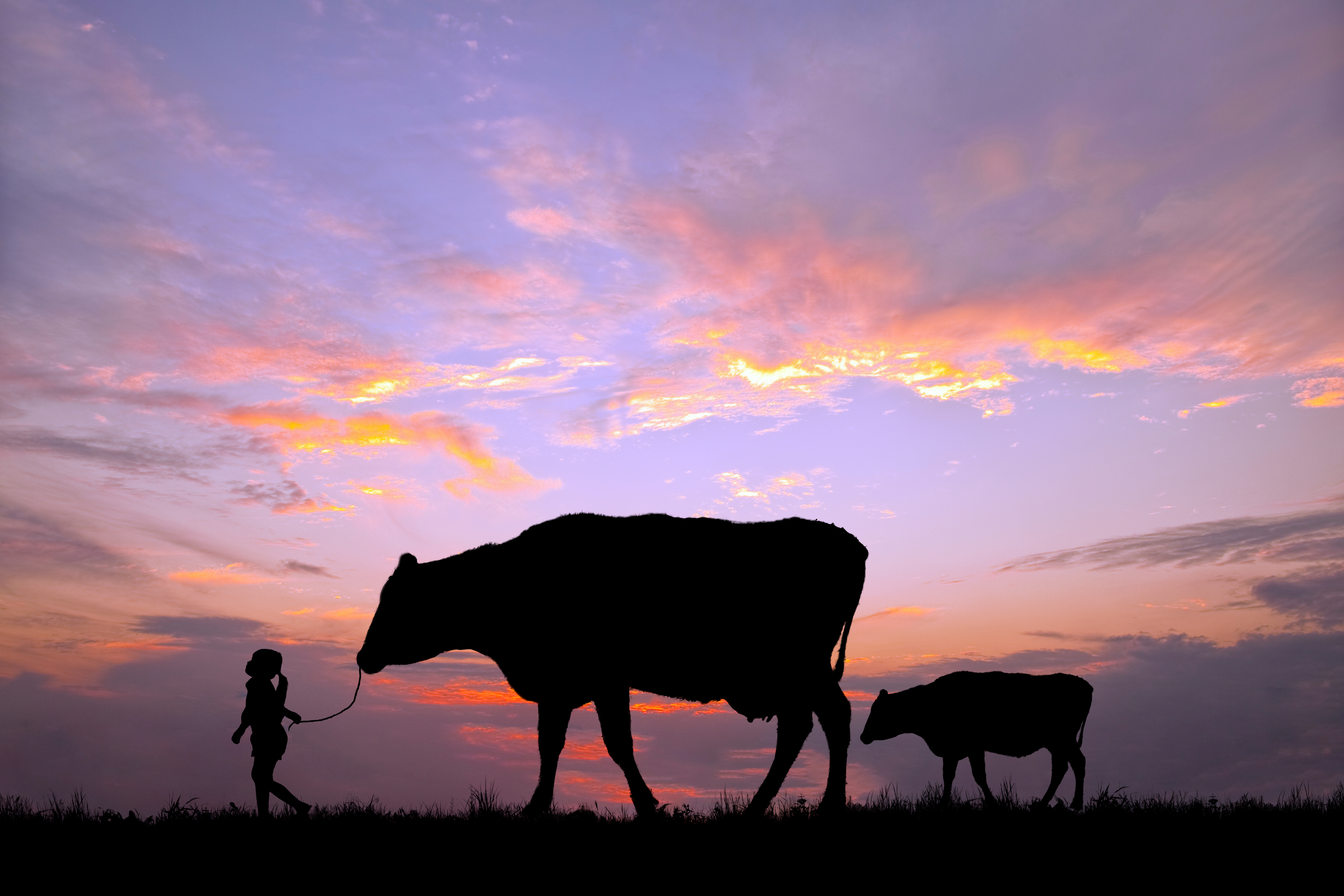
›When cows eat, they burp. And what they exhale generates almost a third of global methane emissions – a greenhouse gas 80 times more potent in warming the climate than CO2. So tracking this short-lived climate gas is crucial.
Six miles from Bakersfield, California, at the Bear 5 cow feedlot, this work is starting to happen. High-resolution satellites are being used for the first time at the feedlot to track methane emissions from cow burps. Measuring cow belches from space is bringing critical attention to the brewing climate issues from cows. After all, the methane produced by these gassy animals in one year at Bear 5 cow feedlot alone could power more than 15,000 homes in California.
-
Varicella Vaccination: An Essential Part of Latin America’s Public Health and Economy
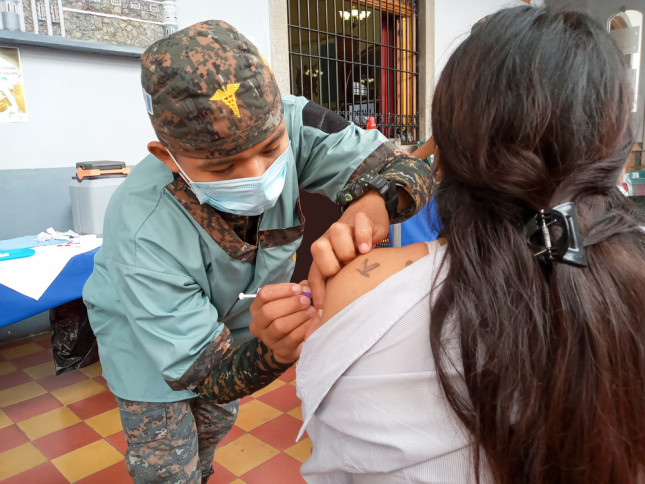
›It is a sign of enormous progress that vaccines are currently available to prevent more than 20 life-threatening diseases. And health and economic data supports the widespread benefits of regular access to vaccination in public health. Yet it is estimated that 20 million infants or so each year do not have access to vaccination for a number of diseases, including varicella (also known as “chickenpox”).
-
Intersectionality Matters: Improving UPR Recommendations on Global Human Rights
›When Michelle Bachelet, former United Nations (UN) High Commissioner for Human Rights, pointed to what she called “the reality of multiple and intersecting forms of discrimination” in December 2020, she also highlighted the importance of factoring them into any analysis and policymaking in the human rights space.
-
John Podesta on the Inflation Reduction Act and a New American Industrial Strategy
›Through the Inflation Reduction Act, the Biden administration has launched a new industrial strategy. Today’s episode of New Security Broadcast highlights a fireside chat at a Wilson Center event between John Podesta, Senior Advisor to the President for Clean Energy Innovation and Implementation, and Duncan Wood, Wilson Center Vice President for Strategy and New Initiatives. Podesta and Wood explore the opportunities provided by the Inflation Reduction Act for the U.S. and its allies. -
China’s Ecological Migration from the Ground Up
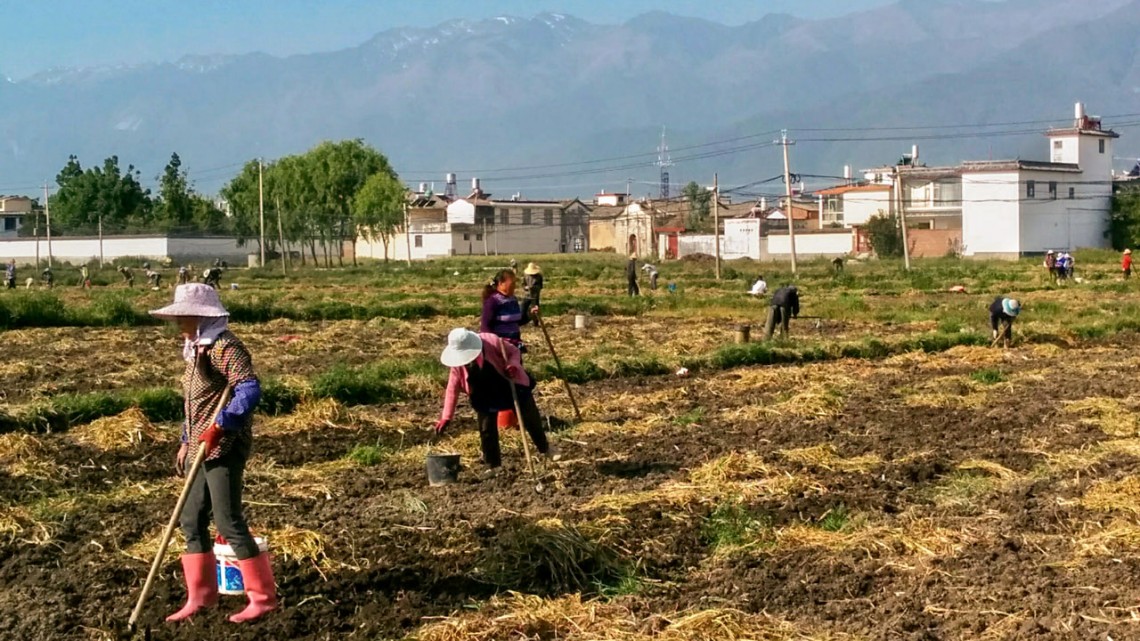
›Zhang Jian, a rural Chinese citizen living in the greater Kunming municipal region, readied himself for resettlement. After the state zoned his village for conservation, the next step for him and his rural comrades appeared to be resettlement into an urban high-rise apartment. Ecological migration is the official term used by the Chinese government for state-led processes of resettlement in the name of environmental protection. Journalists and researchers have predominantly focused on such resettlement programs in China’s west, particularly those related to grazing and anti-desertification campaigns. Less attention has been given to the ecological migrations occurring in China’s municipal regions, which are precipitating the movement of millions of rural landholders into, mainly, high-rise apartments.
-
New Global Health & Gender Policy Brief: The Global Burden of Stillbirths
›In 2021, 1.9 million stillbirths occurred globally. A baby who dies at or after 28 weeks of pregnancy,* and is born with no sign of life is classified as a stillbirth. Stillbirths can be caused by pregnancy and childbirth-related complications, like hemorrhage, placental abruption, and pre-eclampsia; maternal infections during pregnancy, including malaria and sexually transmitted infections; prolonged pregnancy to 42 weeks or more; and pre-existing health conditions. Other risk factors include maternal age and smoking during pregnancy.
 A Publication of the Stimson Center.