-
Panacea for the Pacific? Evaluating Community-Based Climate Change Adaptation
›Guest Contributor // February 22, 2018 // By Rachel Clissold, Tahlia Clark, Benjamin Priebbenow & Karen McNamara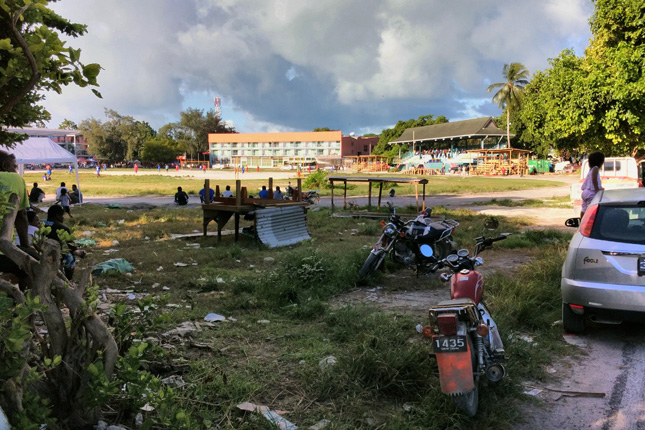
The Australian government’s recent Foreign Policy White Paper has been criticized for its underwhelming climate change section. Penny Wong, the current opposition leader in the Australian Senate, said that its acknowledgement of the need to support a more resilient Pacific region “rings hollow in light of the Abbott/Turnbull Government’s massive aid cuts.” But despite these criticisms, the Australian government continues to support a range of climate change initiatives in the Pacific. Increasingly, Australian Aid and its fellow donors, including USAID, JICA and GIZ, take a community-based approach to climate adaptation. Germany’s GIZ, for example, carries out community-level adaptation activities for all beneficiaries in the Pacific; and USAID has highlighted its community-level projects as important models. Our recent evaluation of some of these community-level adaptation programs in Vanuatu and Kiribati found that they provide some development benefits, including increased awareness, empowerment, cooperation, and self-esteem, but that it is too soon to tell whether this approach can reduce long-term vulnerability to climate change.
-
Maps of Mayhem: Predicting the Location of Civil War Violence
›
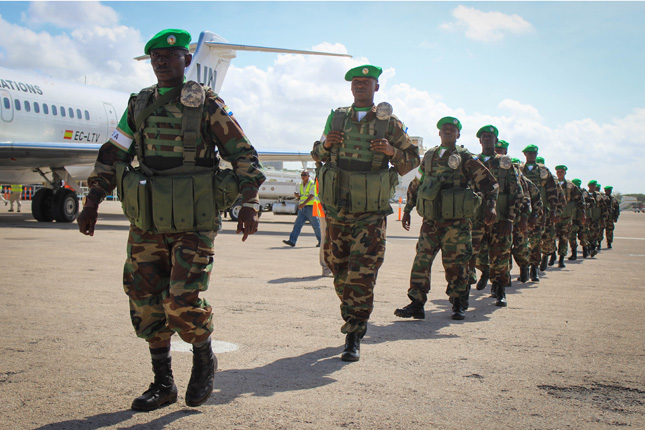
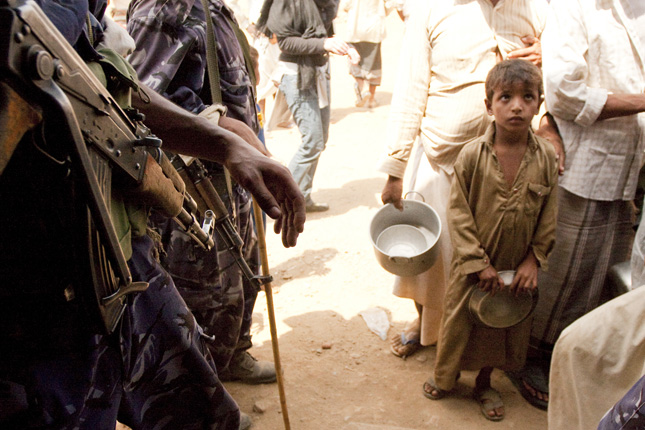
Over the past decade, we have seen a resurgence of civil conflicts in Africa, the Middle East, and southeast Asia, as weak states are increasingly threatened by non-state actors, such as organized crime groups, terrorist organizations, and insurgents. These wars endanger millions of people—including some of the world’s most at-risk populations—by exposing them not only to violence, but also displacement, environmental degradation, and economic destruction. To effectively protect them, leaders and policymakers need to be able to predict exactly where, when, and how insurgent violence will break out and spread.
-
On Streetlights and Stereotypes: Selection Bias in the Climate-Conflict Literature
›Scholarly attention to the links between climate change and conflict has increased. But which places are analyzed most frequently by researchers, and what are the implications of their choices?
-
Climate Change Will Further Complicate the Politics of U.S. Military Bases
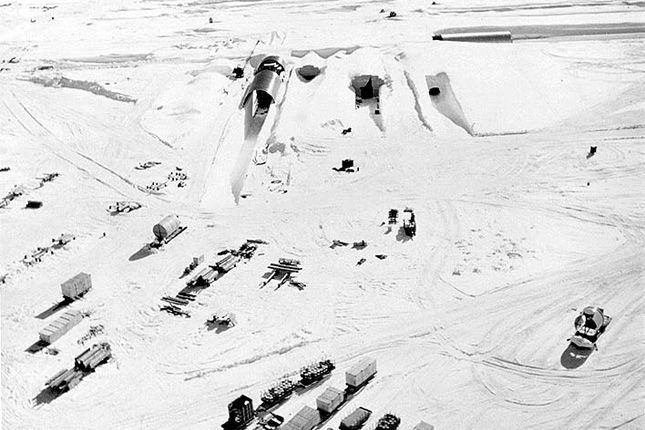
›The effects of climate change on an abandoned U.S. nuclear project in Greenland could create not just environmental problems, but also disrupt military politics and spur diplomatic conflicts. My new article in Global Environmental Politics finds that climate change will eventually expose toxic waste, long immobilized by ice, at Camp Century, which the U.S. military left in the 1960s. This situation—which has already spurred the dismissal of Greenland’s foreign minister—could be the canary in the coalmine signaling that climate change will further complicate the already contentious politics of military bases.
-
Vanda Felbab-Brown, Mongabay
To Counter Wildlife Trafficking, Local Enforcement, Not En-Route Interdiction, Is Key
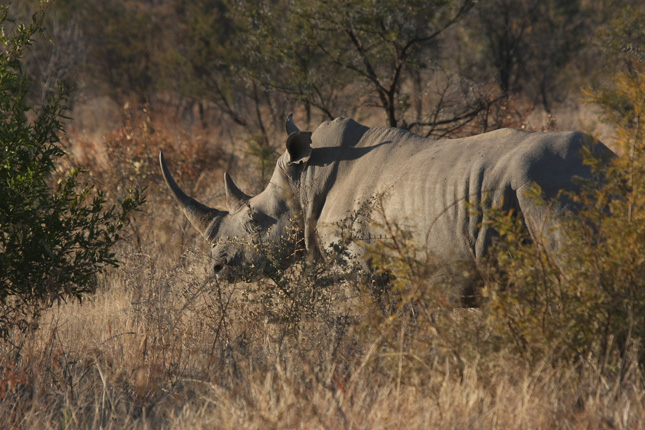
›February 16, 2018 // By Wilson Center StaffThe global poaching crisis has induced large segments of the conservation community to call for far tougher law enforcement. Many look to policing lessons from decades of counter-narcotics efforts for solutions.
-
Safe Passage: China Takes Steps to Protect Shorebirds Migrating From Australia to the Arctic
›Every year, millions of shorebirds migrate to the Arctic to breed—some coming from as far away as Australia and New Zealand—and then head back again. Nearly all of the birds making this journey spend time in the food-rich intertidal mudflats of the Yellow Sea ecoregion, on the east coast of China and the west coasts of the Korean peninsula. But as China’s economy has grown, around 70 percent of the intertidal mudflats in the Yellow Sea area have disappeared—the land drained and “reclaimed” for development. All of the more than 30 species of shorebirds that rely on the mudflats are declining, and those that stop there twice a year are declining at a faster rate than those that stop only once. If the current trajectory continues, the Yellow Sea—once known as the cradle of China—will become the epicenter of extinction.
-
Gidon Bromberg, Nada Majdalani, and Munqeth Mehyar
To Make Peace in the Middle East, Focus First on Water
›February 13, 2018 // By Wilson Center StaffFor the past 20 years, Israelis and Palestinians alike have approached peace negotiations with the flawed assumption that, in order to reach an agreement, all core issues must be solved simultaneously. As the conflict continues to claim victims on both sides, it’s important to point out that when President Trump’s Middle East envoy, Jason Greenblatt, was looking for an early success in the new administration’s peace efforts, he found it – in water.
-
Top 5 Posts for January 2018
›Chinese cities are discovering that sewage could provide a clean source of power using new sludge-to-energy technology, writes Jillian Du in January’s most-read post. Chinese cities are looking to U.S. pioneers like Boston and Portland to learn how to incorporate sludge digesters into their waste management and energy infrastructure.
 A Publication of the Stimson Center.