• woodrow wilson center
  • ecsp

New Security Beat

Subscribe:
  • rss
  • mail-to
  • Who We Are
  • Topics
    • Population
    • Environment
    • Security
    • Health
    • Development
  • Columns
    • China Environment Forum
    • Choke Point
    • Dot-Mom
    • Friday Podcasts
    • Navigating the Poles
    • Reading Radar
  • Multimedia
    • Water Stories (Podcast Series)
    • Backdraft (Podcast Series)
    • Tracking the Energy Titans (Interactive)
  • Films
    • Water, Conflict, and Peacebuilding (Animated Short)
    • Paving the Way (Ethiopia)
    • Broken Landscape (India)
    • Scaling the Mountain (Nepal)
    • Healthy People, Healthy Environment (Tanzania)
  • Publications
  • Events
  • Contact Us

NewSecurityBeat

The blog of the Wilson Center's Environmental Change and Security Program
  • What You Are Reading

    Top 5 Posts for January 2018

    February 12, 2018 By Benjamin Dills
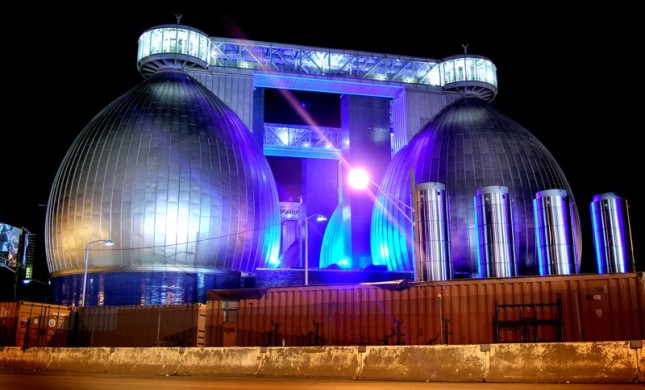
    Newtown Creek Digester Eggs

    Chinese cities are discovering that sewage could provide a clean source of power using new sludge-to-energy technology, writes Jillian Du in January’s most-read post. Chinese cities are looking to U.S. pioneers like Boston and Portland to learn how to incorporate sludge digesters into their waste management and energy infrastructure.

    Our former director, Roger-Mark De Souza, offers his predictions on what lies ahead for resilience in 2018 as he transitions to serve as the President and CEO of Sister Cities International, while Acting Director Lauren Herzer Risi asks you what new issues you see emerging on the horizon.

    Also popular this month: analysis of the high rate of stillbirths, and the national security implications of wildlife trafficking. “The same criminals that are trafficking in drugs, guns, and people, traffic in wildlife,” said Christine Dawson of the U.S. State Department at our December event.

    1. Nothing Wasted: The Waste-To-Energy Revolution in China, by Jillian Du

    2. Criminal Elements: Illegal Wildlife Trafficking, Organized Crime, and National Security, by Saiyara Khan

    3. New Year, New Challenges—and New Questions for our Audience, by Lauren Herzer Risi

    4. The More Things Change: Resilience, Complexity, and Diplomacy Are Still Top Priorities in 2018, by Roger-Mark De Souza

    5. 2.6 Million Babies Are Stillborn Every Year, by Sarah Barnes

    Photo Credit: Newton Creek Purple Digester Eggs, August 2008, courtesy of Victoria Belanger

    Topics: What You Are Reading

Join the Conversation

  • RSS
  • subscribe
  • facebook
  • G+
  • twitter
  • iTunes
  • podomatic
  • youtube
Tweets by NewSecurityBeat

Trending Stories

  • unfccclogo1
  • Pop at COP: Population and Family Planning at the UN Climate Negotiations

Featured Media

Backdraft Podcast

play Backdraft
Podcasts

More »

What You're Saying

  • Volunteers,At,The,Lagos,Food,Bank,Initiative,Outreach,To,Ikotun, Pan-African Response to COVID-19: New Forms of Environmental Peacebuilding Emerge
    Rashida Salifu: Great piece 👍🏾 Africa as a continent has suffered this unfortunate pandemic.But it has also...
  • A desert road near Kuqa An Unholy Trinity: Xinjiang’s Unhealthy Relationship With Coal, Water, and the Quest for Development
    Ismail: It is more historically accurate to refer to Xinjiang as East Turkistan.
  • shutterstock_1779654803 Leverage COVID-19 Data Collection Networks for Environmental Peacebuilding
    Carsten Pran: Thanks for reading! It will be interesting to see how society adapts to droves of new information in...
  • woodrow
  • ecsp
  • RSS Feed
  • YouTube
  • Twitter
  • Facebook
  • Home
  • Who We Are
  • Publications
  • Events
  • Wilson Center
  • Contact Us
  • Print Friendly Page

© Copyright 2007-2021. Environmental Change and Security Program.

Woodrow Wilson International Center for Scholars. All rights reserved.

Developed by Vico Rock Media

Environmental Change and Security Program

Woodrow Wilson International Center for Scholars

Ronald Reagan Building and International Trade Center

  • One Woodrow Wilson Plaza
  • 1300 Pennsylvania Ave., NW
  • Washington, DC 20004-3027

T 202-691-4000
