-
Somali Pirates Return as Illegal, Unregulated, and Unreported Fishing Continues in the Gulf of Aden
›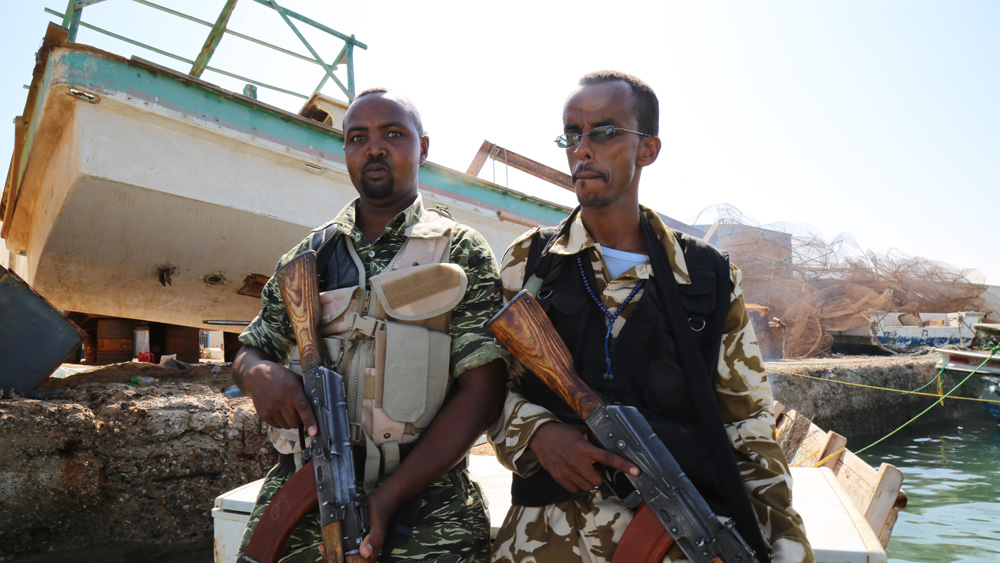
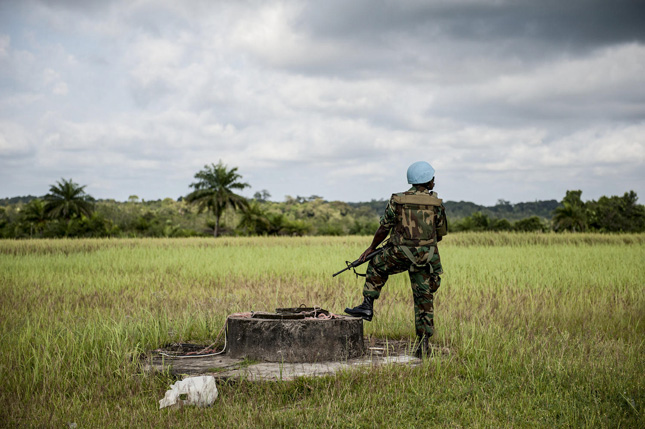
After pirates hijacked an Iranian fishing vessel last year near Bosasso, a major seaport in Puntland, Somalia, local authorities observed that the offending boat was casting nets without a license. While piracy has diminished since 2008-2012, when these waters became some of the most lawless in the world, a spate of incidents in 2017-8 has made it clear that the conditions that led to piracy—including incursions from foreign fishing boats—are still a major problem.
-
A Paradigm for Peace: Celebrating “Environmental Peacemaking”
›March 20, 2018 // By Wilson Center Staff
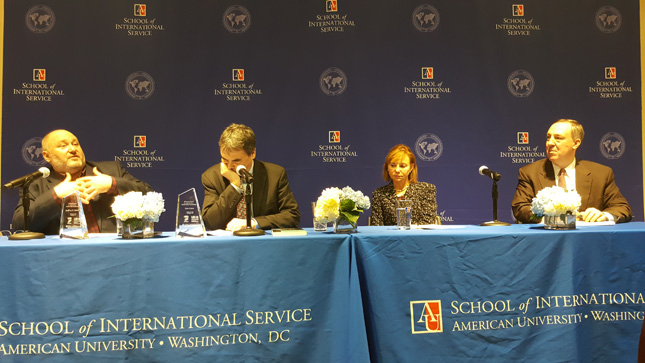
“Most fundamentally, we turned the ‘resource scarcity drives conflict’ argument on its head and asked, ‘Can environmental interdependence drive cooperation in ways that can be harnessed to build trust and contribute to conflict prevention and peacebuilding?’” said Geoff Dabelko, Associate Dean at Ohio University’s Voinovich School of Leadership and Public Affairs, about Environmental Peacemaking, which was one of the first books to investigate these questions. In the 15 years since he and Ken Conca, a professor at American University’s School of International Service, published their edited volume, the idea that shared environmental issues could be used to build peace has become a focus of innovative research, policy, and programs.
-
The Nuts and Bolts of a Climate-Conflict Link in East Africa
›A recent article in Nature Climate Change has spurred a new chapter in the lively scholarly debate over the potential relationship between climate change and violent conflict. We agree with the article’s authors that there are several forms of sampling bias in this field, including how regions are selected for analysis. But simply addressing this sampling bias will not resolve many of the academic controversies that have raged since the mid-2000s. Our recently published study in International Studies Review examines the mechanisms connecting climate change or its consequences to violent conflict and concludes that to move this research agenda forward, researchers must pay deeper attention to the “nuts and bolts” that shape both climate-related conflicts and our understanding of them.
-
Maternal Health Experts: Strategic Partnerships and Data Key to Strengthening Health Systems
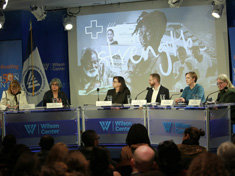
›“We need to think differently about how we invest in our country programs, and what outcomes we are interested in,” said Dr. Koki Agarwal, director of the U.S. Agency for International Development (USAID)’s flagship Maternal and Child Survival Program (MCSP) and a Vice President with Jhpeigo, at a recent Wilson Center event. -
Another Deadly Year for Environmental Defenders, But Momentum Increases for Protecting Environmental Human Rights
›In 2017, four environmental activists were murdered every week on average—most of them in Latin America, and most of them targeted for protesting industries like logging or mining. These shocking numbers may finally start to taper off, if three new initiatives launched just this month are successful at protecting people’s right to a clean environment—and its defenders.
-
Assessing and Managing Risk along the Mississippi River Corridor
›From the Wilson Center // Urban Sustainability Laboratory // March 14, 2018 // By Wilson Center StaffThe Mississippi River Valley has been hit by droughts, floods, extreme heat, and tornadoes that resulted in damages totaling over $50 billion since 2011. From 2005 to 2017, that total eclipses $200 billion with each effected state incurring a minimum $5 billion in damages. One positive result in reaction to those natural disasters was the formation of the Mississippi River Cities & Towns Initiative (MRCTI), a coalition of mayors focused on resilience and adaptation programs. Last week, mayors of the ten states along the river met with leaders from the global and North American insurance industry to discuss reducing vulnerabilities and building resilience in the face of climate-related disasters.
-
Urban Risk or Resilience? Opportunities for Improving Informal Settlements in Urban Africa
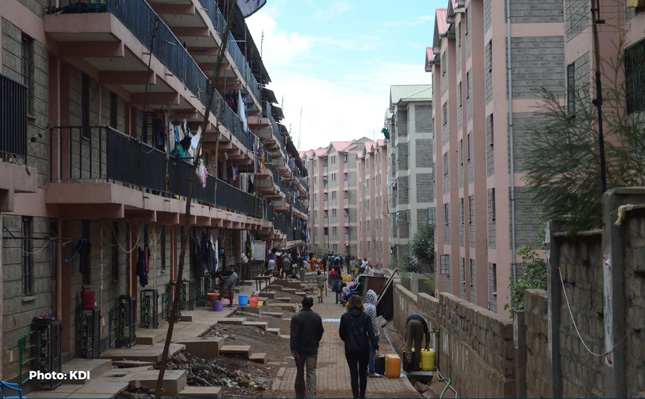
›“Most risk in African cities is not catastrophic. It’s not even episodic, but it is every day,” said Mark Pelling, a professor at King’s College, London, at a recent event on urban risk and resilience in sub-Saharan Africa. With rates of rural-to-urban migration reaching record highs, more than half of the urban residents in sub-Saharan Africa live in informal settlements, where they lack basic infrastructure and access to critical resources. Integrated projects like Pelling’s Urban ARK seek to build more resilient communities in cities and informal settlements. “African cities are dynamic and are growing,” said Pelling—but so is the vulnerability of their residents to environmental change, natural disasters, and conflict.
-
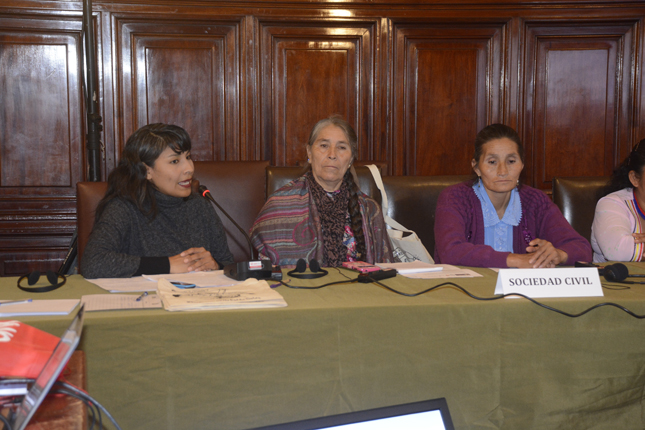
Strengthening Health Systems Improves Healthcare for Women, Children, and Youth
›“We cannot achieve our goals of ending maternal and child deaths without addressing critical health system barriers around the world,” said Grace Chee of the U.S. Agency for International Development (USAID)’s flagship Maternal and Child Survival Program at a recent Wilson Center event. To improve the lives of mothers and children, health workers must address the underlying causes of poor health outcomes, including systemic weaknesses in health care governance, financing, and human resources.
 A Publication of the Stimson Center.
 “We need to think differently about how we invest in our country programs, and what outcomes we are interested in,” said Dr. Koki Agarwal, director of the U.S. Agency for International Development (USAID)’s flagship