-
A More Just Migration: Empowering Women on the Front Lines of Climate Displacement
›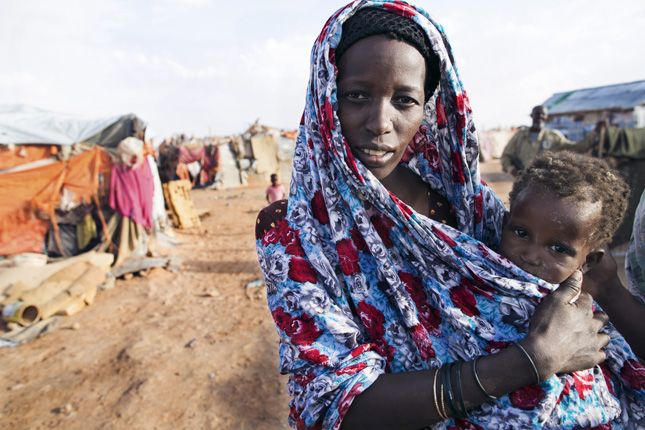
“It is often expected that women care more, and therefore women are going to volunteer, and be the saviors” in times of crisis, said Eleanor Blomstrom, the Program Director and Head of Office for the Women’s Environment & Development Organization (WEDO), at a Wilson Center event on climate displacement and the changing role of women. A panel of experts discussed the impacts of climate change that not only force women to move, but also put them disproportionately at risk. By integrating gender dimensions of climate-related displacement into research, policy, and programs, we can gain a better understanding of the challenges that women face and support women’s efforts to be changemakers for their communities as they adapt to climate threats. “All issues are women’s issues,” said Blomstrom.
-
Go Tell the Crocodiles: Chasing Prosperity in Mozambique
›
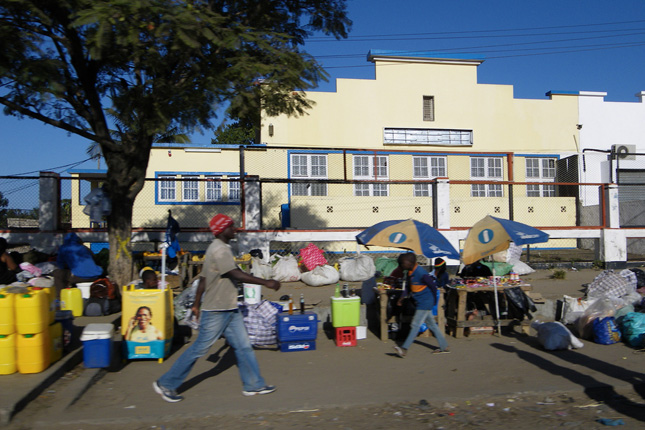
Just outside Nampula, in northern Mozambique, a huge granite dome overlooks the city, 500 feet high and a half-mile across. All along its southern flank, hundreds of men work in small groups, whittling away at the rock face with sledgehammers and picks. Smoke rises before dawn until well after dusk, as they stoke fires to heat the granite and use crowbars to prize free tombstone-sized slabs. Day by day, the mountain is carted away by the wheelbarrow-full. It’s backbreaking work that yields barely enough to live. Yet these informal quarries are nevertheless among the region’s largest employers. Certainly, more people have found work here than with Kenmare Resources, the Irish company that has sunk more than US$1 billion into mining titanium deposits along the nearby coast.
-
Ten Years, Nine Floods: Local-Level Climate Adaptation in China
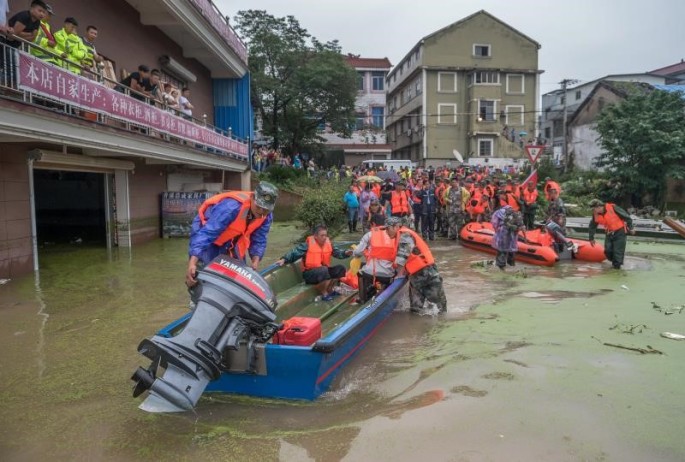
›The Lanjiang river in Eastern Zhejiang, China, reached its peak water level of 100 feet the night of June 25, 2017. Lanxi residents remember this day as “6.25,” marking the worst flood since 1955. Elsewhere in China that month, 7.3 million people were affected by floods, landslides, and heavy rains in northwestern Sichuan Province alone. Northern Guangxi suffered direct economic losses of 2.9 billion RMB (US$460 million). In the autonomous regions, 92,000 people were relocated. Flash floods caused the deaths of 10 people and forced 76,800 people to evacuate from Shanxi Province.
-
The Rohingya Refugee Crisis: Photos Show Bangladesh Camps Are Vulnerable to Impending Monsoons
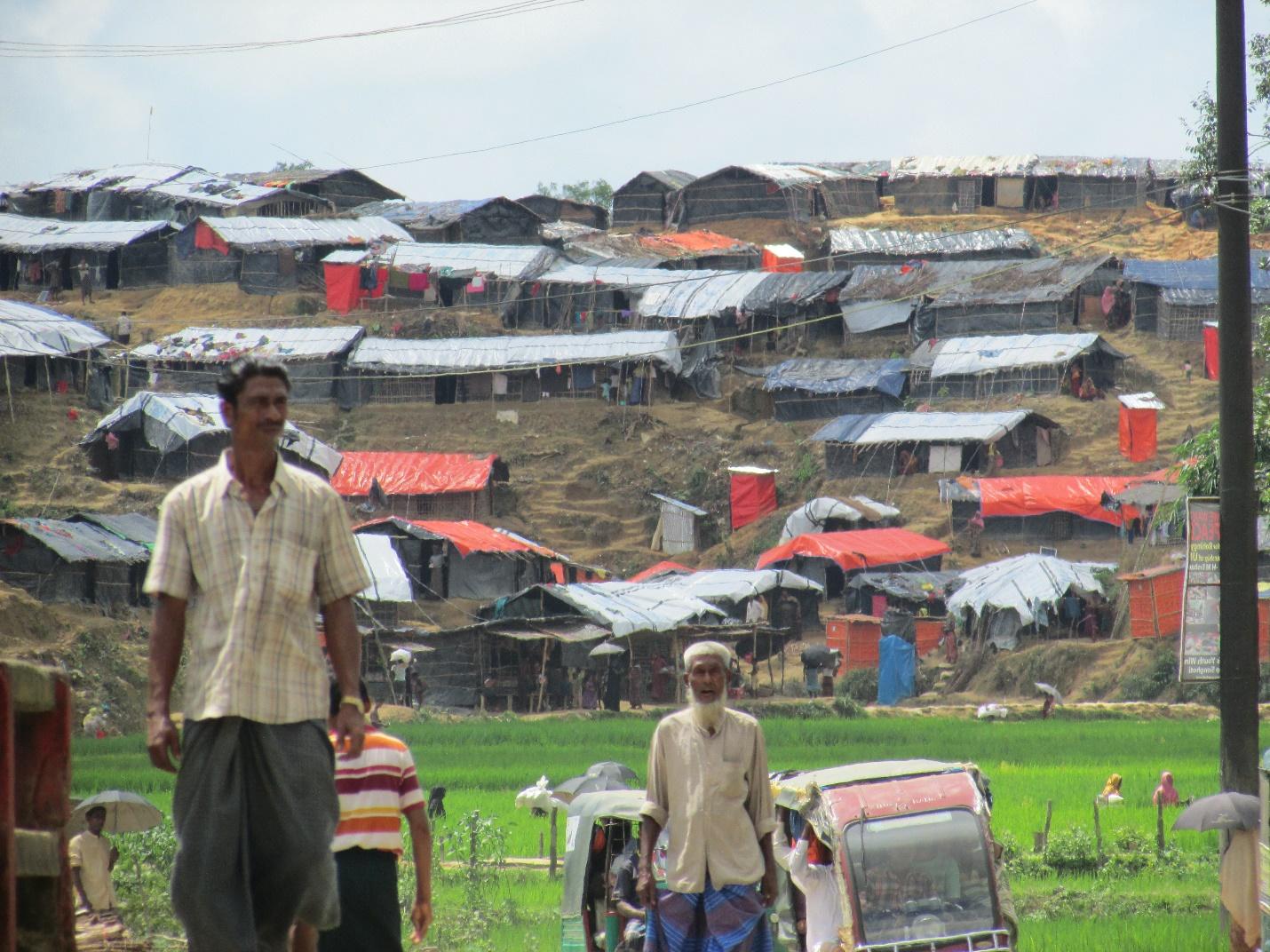
›In late 2017, I visited the several Rohingya refugee camps (Leda, Mainner Ghona, & Kutupalong-Balukhali Makeshift Settlements) in Ukhia Upazila (Cox’s Bazar District), Bangladesh. These camps are home to more than a million refugees escaping ethnic violence in Myanmar.
-
Bioshields: Old Tools for a New Climate
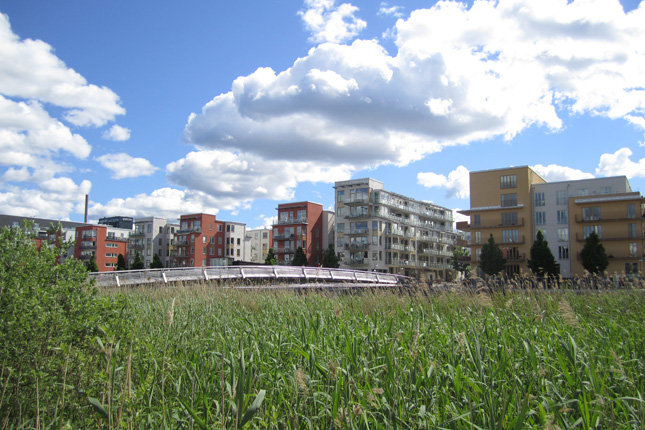
›Natural bioshields—wetlands, forests, and urban green spaces—are critical tools for reducing the impacts of disasters on vulnerable communities. Between 1994 and 2014, nearly 7,000 natural disasters occurred worldwide, causing an average of almost 68,000 deaths each year. Climate change, growing populations, and widening economic inequality are all expected to increase the impacts of disasters. Bioshields—nature’s own solutions to natural hazards—can help protect people from these dangerous floods, storms, and heat waves.
-
Climate Change and Conflict: New Research for Defense, Diplomacy, and Development
›“Climate is unquestionably linked to armed conflict,” said Halvard Buhaug, a professor at the Peace Research Institute Oslo and the Norwegian University of Science and Technology, at a recent Wilson Center event marking the end of the three-year Climate Anomalies and Violent Environments (CAVE) research project. But, he stresses that under a changing climate, exactly how and through what pathways is still a subject of much debate in the academic community.
-
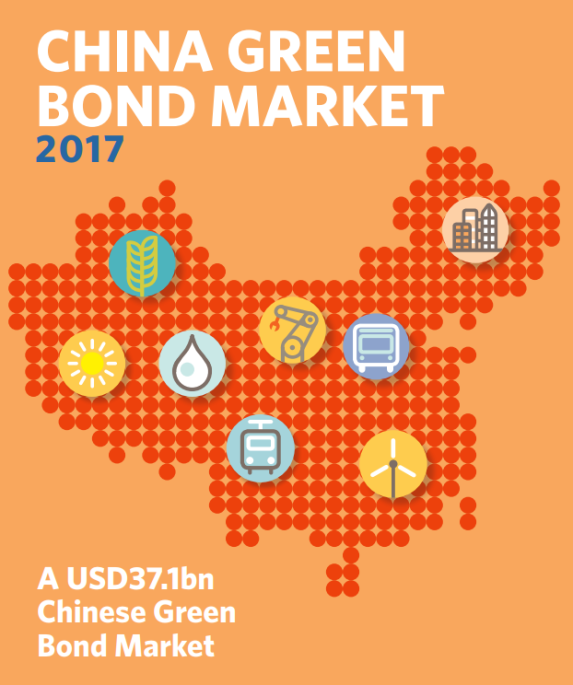
China’s Green Bonds Finance Climate Resilience
›In 2014, we met with some of the technical leads of a major Chinese river basin authority in Beijing and asked them whether they were more worried about pollution or climate change impacts. Both, the engineers replied. Pollution affects us every day, they said, but changes in the climate erode our ability to supply drinking and irrigation water, manage floods, and generate electricity.
China must address its environmental and climate change challenges, such as reducing water pollution and building resilience to droughts, floods, and long-term climate shifts. But existing sources of finance have not met the growing demand for environmental projects.
-
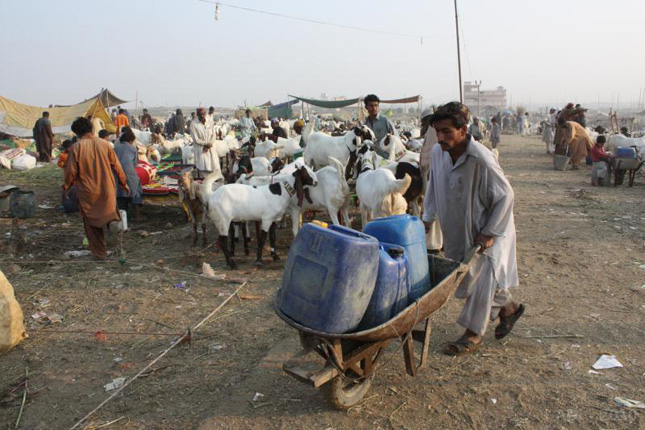
The Next “Day Zero”: Water Scarcity and Political Instability Beyond Cape Town
›Cape Town is running dry. But thanks to its sophisticated water management efforts, the city may ride out the crisis. However, other cities that lack these capacities are less likely to survive Day Zero. Especially in developing countries, where urban water services are often provided by informal or illegal actors, running out of water could have dangerous ripple effects for peace and security.
 A Publication of the Stimson Center.