-
The Road Ahead for Young People and Family Planning
›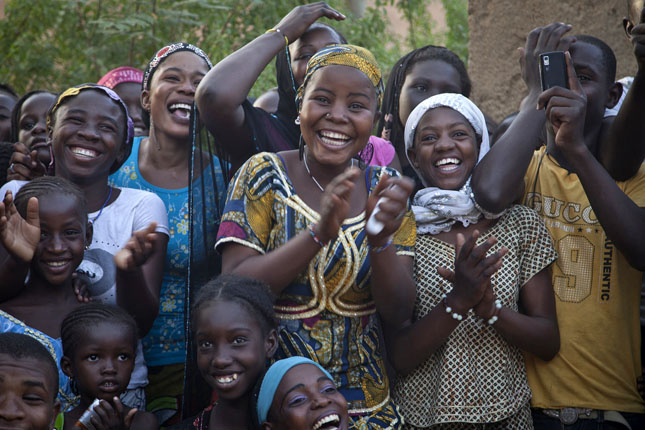
Yesterday was International Youth Day, and governments, donors, and public health professionals are paying more attention to the unique needs of the world’s young people and the importance of their civic engagement and participation. Unfortunately, most young people do not have access to basic sexual and reproductive health care and information. This not only undermines their health and wellbeing, but significantly affects their abilities to stay in school and participate in their communities.
-
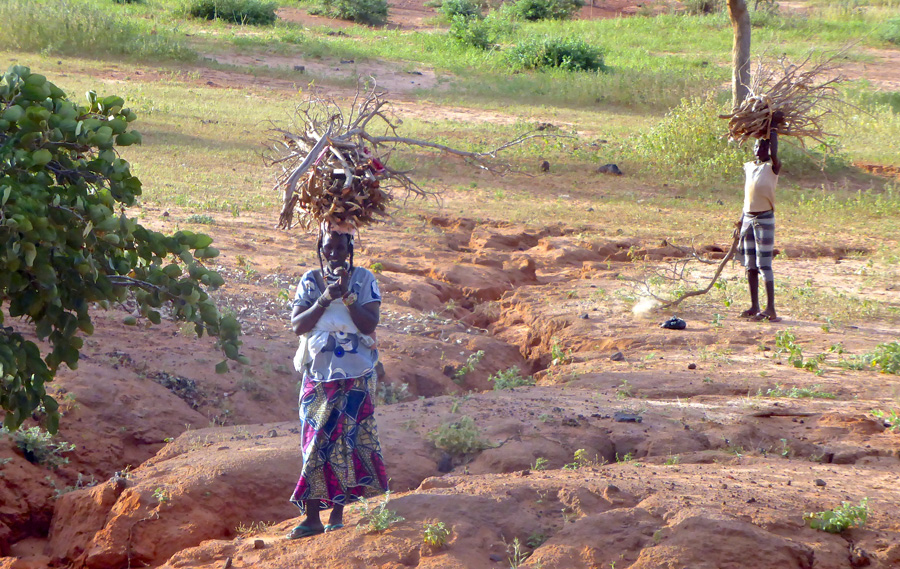
‘State of African Resilience’ and a Review of Food Security-Family Planning Programs
› In their first annual report, the ResilientAfrica Network (RAN), a partnership of 15 African universities, Tulane University, Stanford University, and the Center for Strategic and International Studies, outlines efforts to explore and define multiple “pathways of vulnerability” in sub-Saharan Africa. The report acknowledges that these pathways can be very different from place to place, but by working with African communities more closely, they hope to find new ways to break cycles of chronic crisis. One of the interventions piloted by Stanford was “deliberative polling,” which is based on the premise that communities are more likely to respond to development interventions if they understand the logic behind them and are involved in the process.
 -
European Parliament Passes Conflict-Minerals Bill; UN Releases Report on Money Flows in DRC
›A new report prepared by the UN Environment Program and UN peacekeeping operation in the Democratic Republic of Congo (known as MONUSCO) found that just two percent of the total value of illicit natural resources smuggled from the country comes back to armed groups. Still, these funds, which amount to around $13 million a year, allow some 25 to 49 groups to continue operating in the country’s war-torn eastern provinces. Much more, as much as 50 percent, ends up in the hands of transnational criminal networks with the remaining profits flowing to individuals or companies elsewhere in the DRC or in Uganda, Rwanda, and Burundi. -
Is Wildlife Trafficking a National Security Threat?
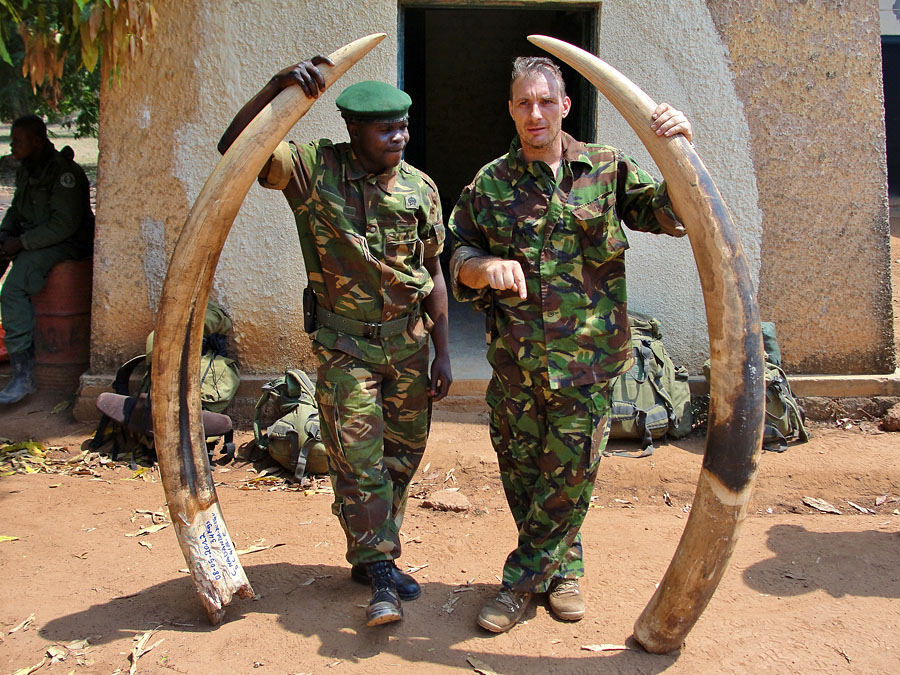
›Trafficking of illegal wildlife goods is quickly becoming one of the most lucrative illicit businesses in the world. With growing demand in Asia, an industry that was once fed by isolated, small-scale poaching incidents is now run by well-organized, transnational criminal networks, similar to narcotics and guns. The Obama administration labeled wildlife trafficking as a national priority in 2013 and released a National Strategy for Combatting Wildlife Trafficking in 2014. A detailed implementation plan for the strategy followed this year, identifying key steps and implementing agencies to help end trafficking in the United States and abroad.
-
Two New Sites Help Visualize Demographic Concepts and Their Effect on Development
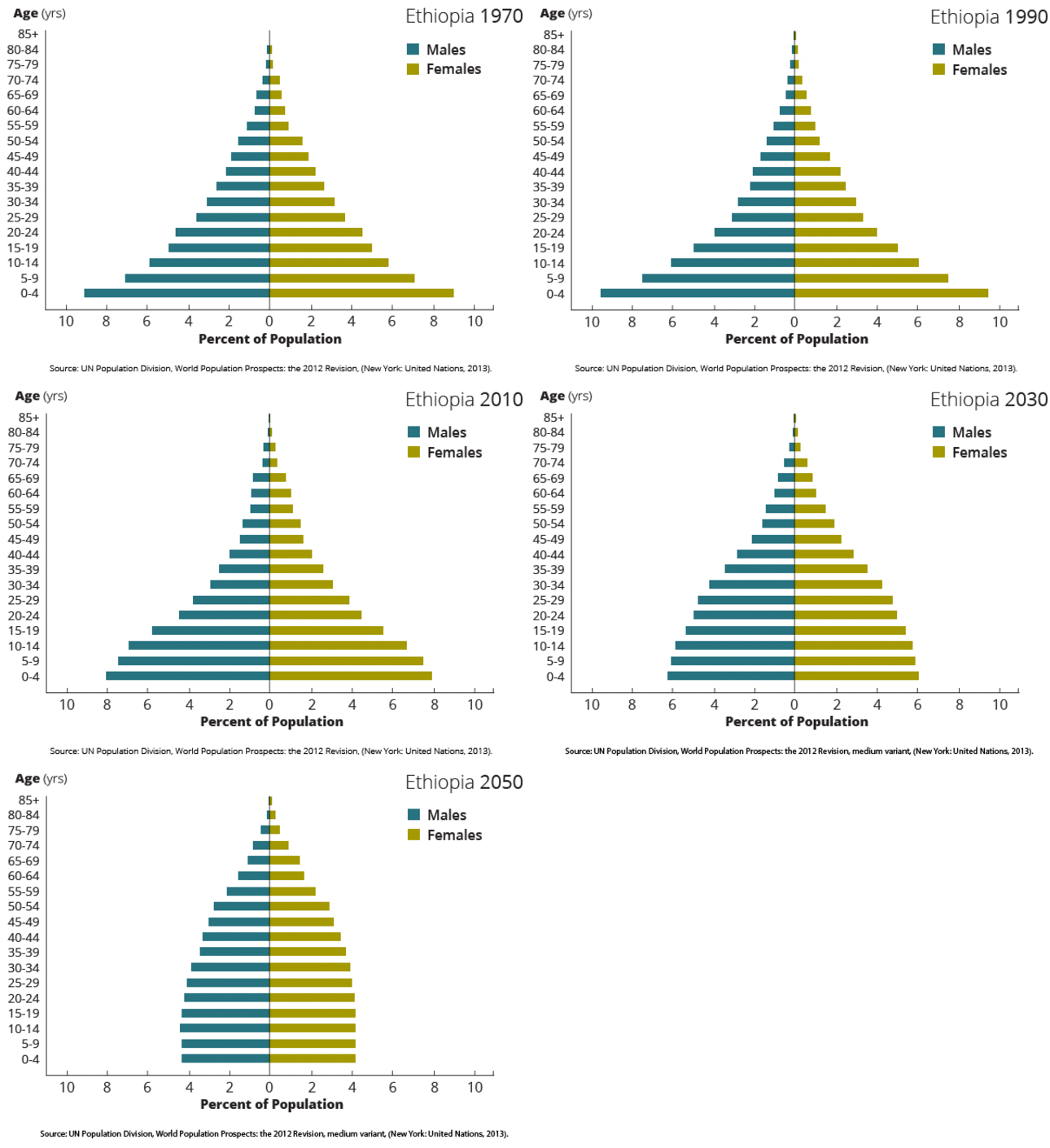
›A pair of recently launched data sources offers visualizations to help people understand two hot-button issues in demography: the demographic dividend and changing fertility rates.
-
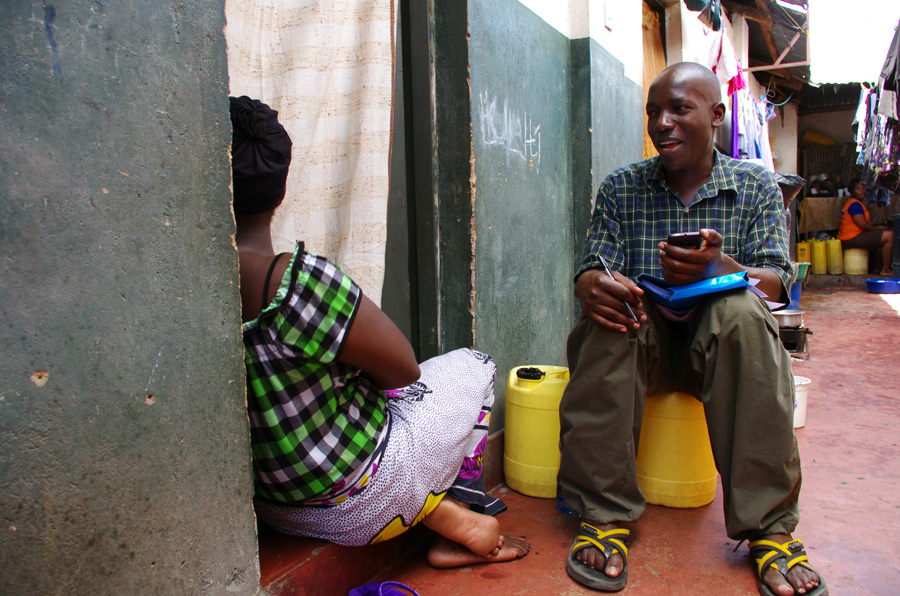
Mobile Tech Drives Faster Data Collection for Family Planning Indicators With PMA2020
›December 22, 2014 // By Elizabeth Leahy MadsenIn an effort to revamp the time-intensive process of conducting household surveys to collect health data in developing countries, a new project is using mobile phones and rapid processing techniques to generate regular updates for a tranche of indicators previously only adjusted every three to five years.
-
What Climate Conflict Looks Like: Recent Findings and Possible Responses
›Climate change and conflict – what’s the relationship? In a recently completed set of field-based studies for USAID, the Foundation for Environmental Security and Sustainability set aside “yes-or-no” questions about whether climate change causes conflict and replaced them with pragmatic and politically informed questions about how climate change is consequential for conflict in specific fragile states.
-
Safety and Security in the Global Youth Wellbeing Index
›Few would argue with the notion that socioeconomic development is contingent on peace, safety, and security. What goes for nations, goes for people too – especially young people.
Showing posts from category Uganda.