-
With New Analytics, a Vision of Alternative Futures for Uganda
›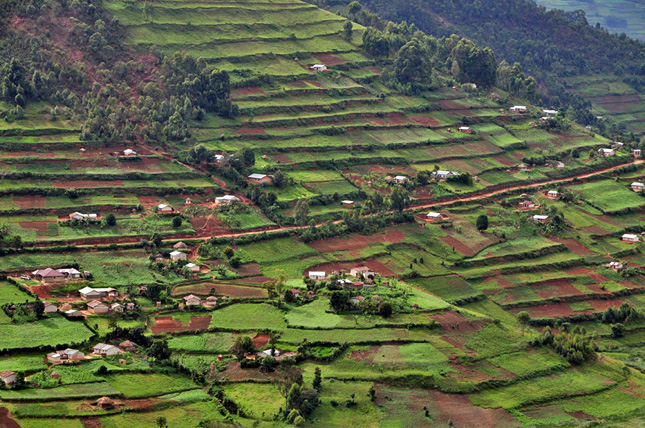
Since becoming an independent nation in 1962, Uganda has struggled with high rates of poverty, regional and international conflict, and both endemic and epidemic disease outbreaks, particularly HIV/AIDS. In recent years, though, it has become a key partner of the United States. The U.S. government provides foreign assistance to improve the lives of Ugandans but also to advance stability in the East Africa region generally, with the bulk of these programs administered by the U.S. Agency for International Development (USAID).
-
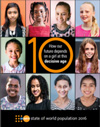
State of the World Population 2016, and Fostering Development Through Family Planning
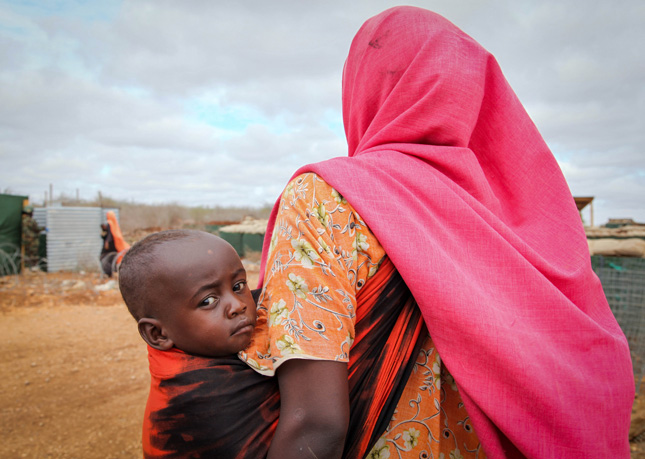
› The United Nations Population Fund’s 2016 State of the World Population report calls for investment in a very specific demographic: 10-year-old girls. At age 10, young girls are at a “pivotal” stage in their lives, the report says. They face a world of limitless possibilities, yet far too many end up thwarted in their ambitions by sexual violence, forced marriage, female genital mutilation, child labor, and other “systematic disadvantages.”
 -
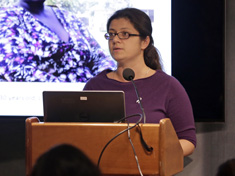
Elena Ateva on Putting the Individual at the Center of Maternal Care
›Exactly one year after the adoption of the Sustainable Development Goals in September 2015, The Lancet published a special series on achieving maternal health priorities in the SDG era, with a focus on quality, equity, strengthening entire health systems, sustainable financing, and collecting better evidence. -
No Mother Left Behind: How Conflict Exacerbates the Global Maternal Health Challenge
›Since the end of World War II, the number of wars between states has declined significantly, but the number of intrastate civil conflicts – as seen in Syria and Afghanistan – has increased.
-
As Ivory Becomes Bigger Issue, Environmental Peacebuilding Gaining Ground at IUCN World Congress
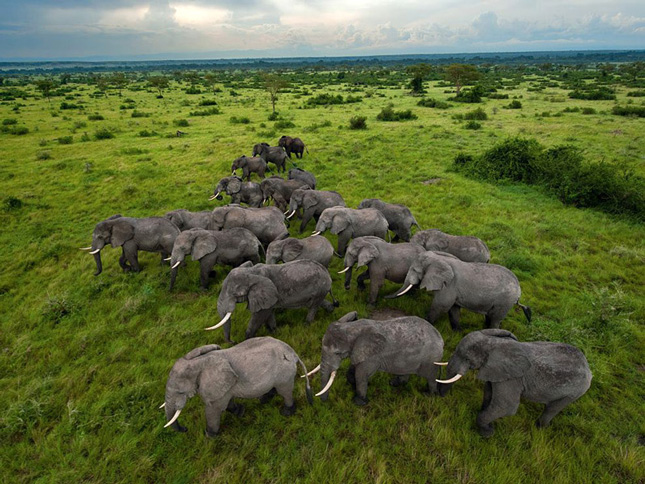
›A traditional conservation approach to climate change (e.g., habitat restoration, species protection) has been a primary tenet of the International Union for Conservation of Nature (IUCN) agenda for decades. But this fall at the quadrennial World Conservation Congress in Hawai’i there were new discussions about tackling climate change in the context of national security and environmental peacebuilding.
-
Roger-Mark De Souza & Sono Aibe, Inter Press Service
Making the Goals: Why Sustainable Development Must Be Integrated Development
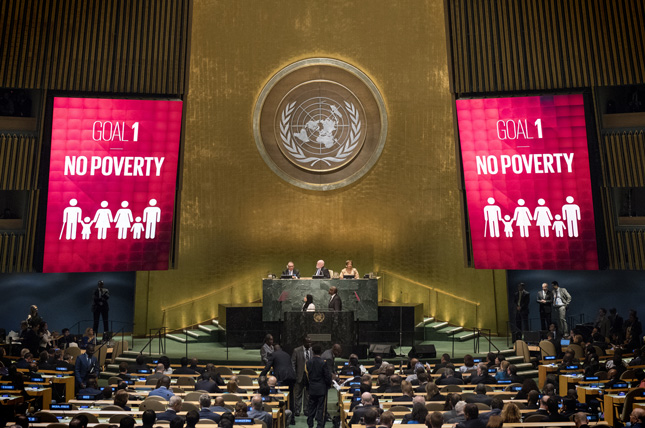
›October 6, 2016 // By Wilson Center StaffBy recognizing how closely connected the different aspects of sustainable development are, the Sustainable Development Goals (SDGs) create an important opportunity – and challenge – for a more coordinated approach to implementing development policies.
-
Major Water Disputes Are Often Beyond War and Peace
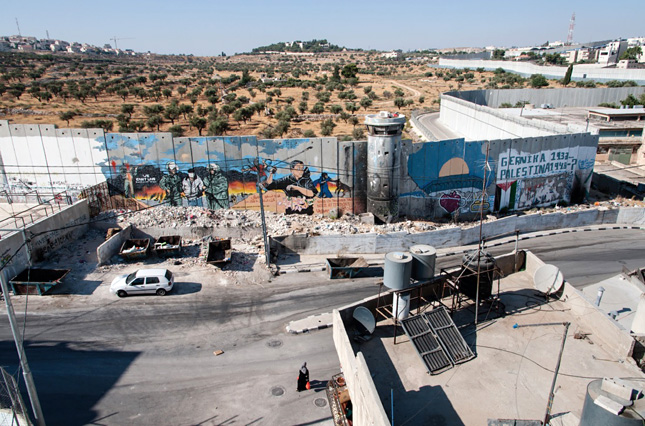
›Early this June, the Israeli government cut off drinking water to people living in the Salfit region of the West Bank and three villages east of Nablus. The consequences have been dire. Thousands of Palestinians have been left with no running water in their homes, and factories have been forced to shutter. The power imbalance that leaves Palestinians so vulnerable to Israeli turns of the valve plays out every year, made possible by Israel’s occupation of the water-rich Golan Heights in 1967. What is perhaps most surprising is that the situation persists.
-
Measuring Poverty From Space, and a Loss and Damage Strategy for Pakistan
›Accurate measurements of wealth are useful for developing more targeted and effective poverty reduction programs. Unfortunately, such metrics are few and far between, as data on economic livelihoods tends to be expensive to obtain, and once collected, is often unreliable.
Showing posts from category Uganda.
 Exactly one year after the adoption of the Sustainable Development Goals in September 2015,