-
A New Kind of Conservation: Making the Connection Between Community and Nature
›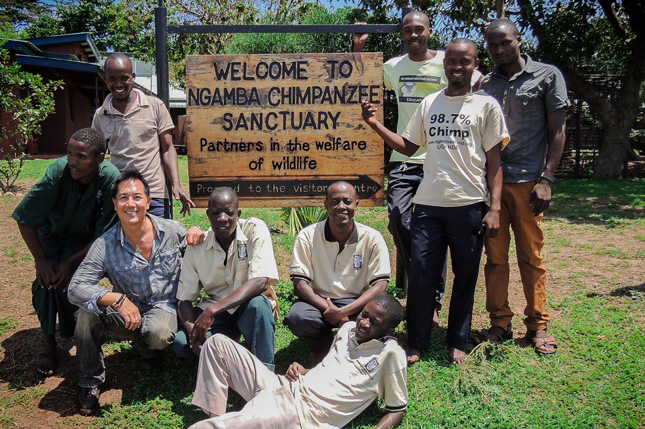
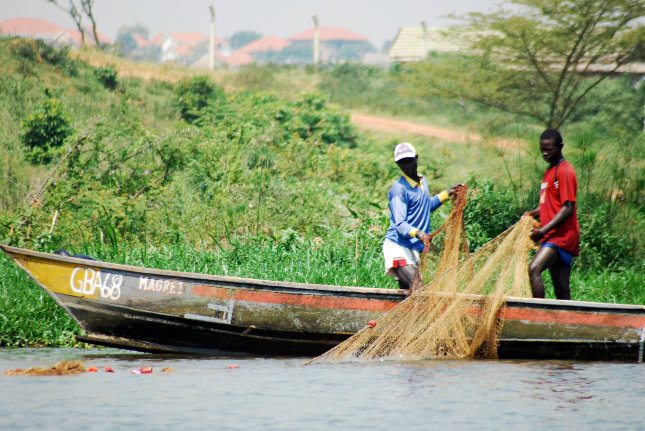
An increasing number of conservation and health activists are beginning to understand the value of an integrated approach to development. Without addressing the needs of people, conservation measures will not be very effective, and conversely, without conservation, people lose vital natural resources and suffer consequences to their health.
-
Africa’s Regional Powers Are Key to Climate Negotiations – But Will They Cooperate?
›
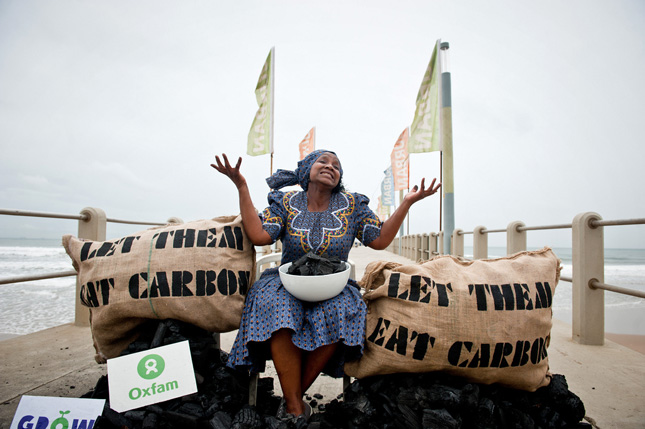
Most African states are more vulnerable and less prepared to address climate change challenges than the rest of the world. This observation is supported by a wide variety of sources, including the Climate Vulnerability Index and the Notre Dame Global Adaptation Index. And in fact Africans and their political leaders frequently observe that this crisis, manufactured in the developed world, disproportionately affects their continent. During a meeting of the African Union in 2007, Ugandan President Yoweri Museveni called climate change “an act of aggression” by the rich against the poor.
-
HoPE for Sustainable Development: Results From an Integrated Approach in East Africa
›The Sustainable Development Goals (SDGs) are an ambitious framework for reducing poverty and improving the lives of billions of people. They were agreed to last year by governments at the United Nations and cover developing and developed countries alike. But how will governments, NGOs, and other organizations go about actually accomplishing them over the next 15 years? [Video Below]
-
New Approaches to Addressing Gender Inequality in Global Development
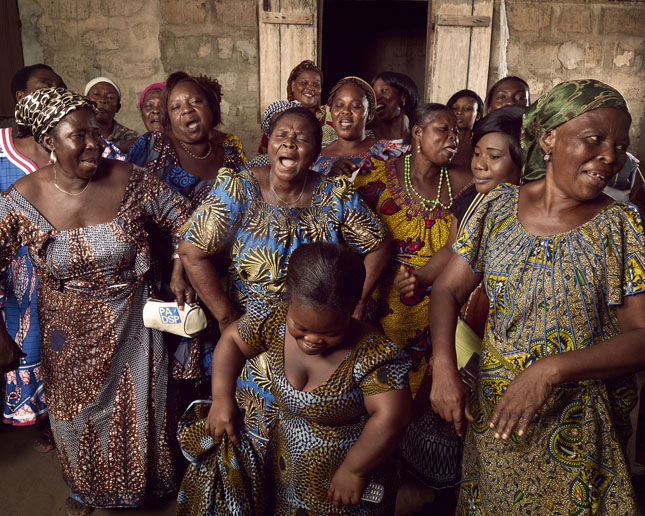
›In principle, development organizations and donors have known that gender dynamics affect the success or failure of their efforts for some time. In practice, overturning cultural mores while at the same time improving health outcomes, incomes, or food security can be difficult. [Video Below]
-
From Chicago to India, Journalist Tracks Long-Lasting Effects of Childhood Malnutrition in ‘First 1,000 Days’
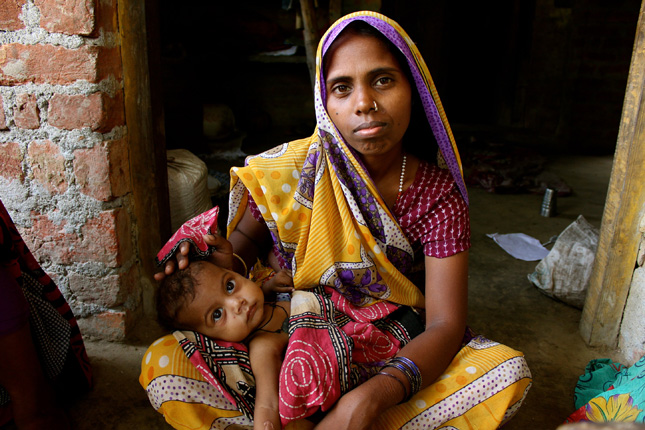
›After more than a decade studying the wide-ranging effects of poor nutrition on children, former Wall Street Journal reporter Roger Thurow is outraged. Now he wants to inspire action.
-
Christina Cauterucci, Slate
Gates Foundation to Invest $80 Million for Better Economic Data on Women and Girls
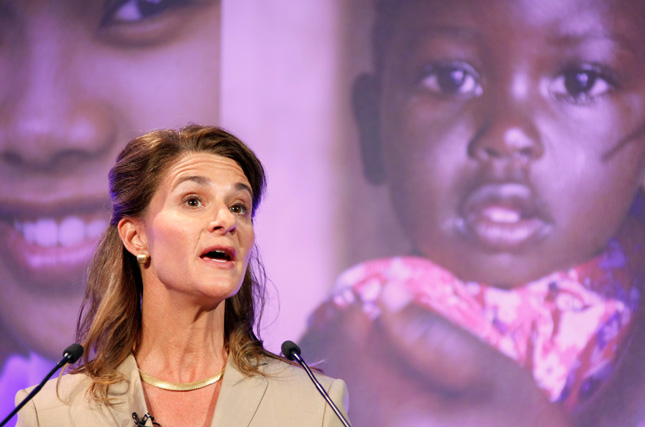
›June 3, 2016 // By Wilson Center StaffMelinda Gates announced a new $80 million Bill and Melinda Gates Foundation commitment to global data collection in a May 17 address at the Women Deliver conference in Copenhagen. Over three years, the foundation’s efforts will focus on filling gaps in data about women’s unpaid labor, improving the accuracy of data around land and property ownership, and using that data to inform civil and government decision-makers about the effects of their existing programs and recommend areas for improvement.
-
After Mexico City and Before Copenhagen: Keeping Our Promise to Mothers and Newborns
›Last October, on the heels of the UN General Assembly agreeing to the Sustainable Development Goals, the global health community met in Mexico City to discuss strategy for achieving the “grand convergence”: finally bridging the gap between maternal and newborn health in rich and poor countries. [Video Below]
-
Pathways to Resilience: Evidence on Links Between Conflict Management, Natural Resources, and Food Security
›In 2015, the NGO Mercy Corps released some surprising findings from conflict management programs in the Horn of Africa. Interventions from 2013 to 2015 focused on building community-level cooperation, strengthening institutions, and enhancing resilience. The results indicate that natural resource management can be a key governance pillar to build around and that such cooperation can strengthen household resilience to climate and food security shocks. [Video Below]
Showing posts from category Uganda.