-
Chased by Drought, Rising Costs, and Clean Technology, India Pivots on Coal
›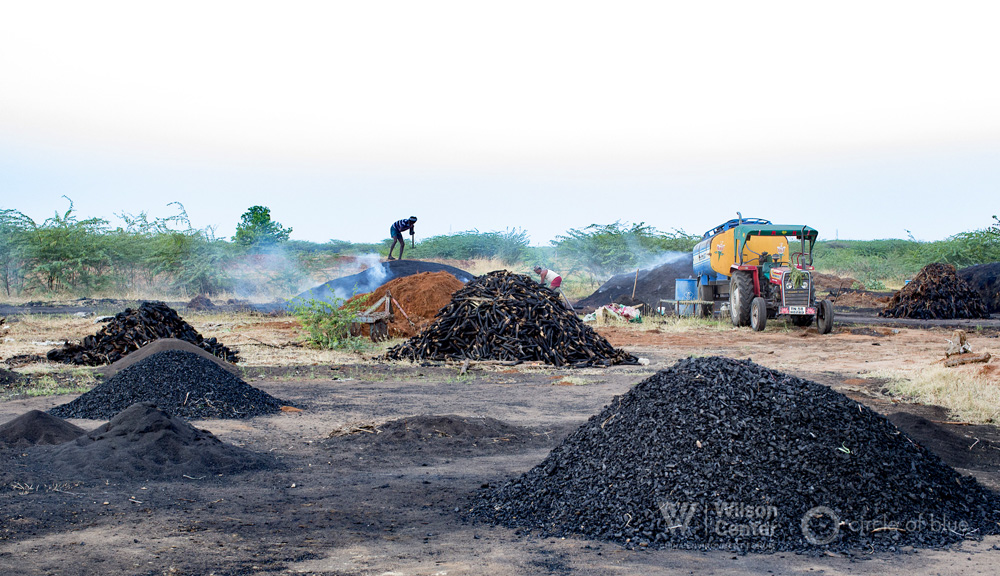
VILAMBUR, India – The mammoth coal-fired Cheyyur electrical station was first imagined by bankers at India’s Power Finance Corporation and senior engineers across town at the Central Electric Authority. That was in 2005, when the country was rich in fossil fuel resources and desperate for electric power. Though India mined more coal than almost any other country, endemic blackouts and brownouts enfeebled its economic prospects.
-
Inside ‘The Poachers Pipeline’: Q&A With Al Jazeera’s Jeremy Young and Kevin Hirten
›Rhino horn is the most valuable illegally traded wildlife product in the world, more expensive per pound than either gold or cocaine and much more valuable than elephant ivory. With as few as 25,000 wild rhinos left in Africa, conservationist and law enforcement fight a constant battle with criminal syndicates seeking to kill rhinos and sell their horns to wealthy consumers abroad, many in Asia.
-
Ocean Fish Stocks on “Verge of Collapse,” Says IRIN Report
›The world’s ocean fish stocks are “on the verge of collapse,” according to a special report from IRIN. Already small fishers in poor countries are reeling, turning to ever-more destructive techniques and suffering from poor health and dwindling livelihoods.
-
Taking Stock of Africa’s Political and Security Developments in 2016
›2016 was an eventful year for the continent of Africa, with important implications for U.S.-Africa relations. The Wilson Center’s Africa Program asked experts, scholars, and policymakers to weigh in on the most important and impactful events. This collection of essays reflects on those developments and their impact going forward.
-
Backdraft Episode #2: Stacy VanDeveer on the New Energy Economy and the Fate of Petro States
› A “green economy,” an energy sector composed entirely of renewables, is the goal of many. But we haven’t thought out the full implications of that change, says Stacy VanDeveer, professor at the University of Massachusetts Boston, in this week’s “Backdraft” podcast.
 -
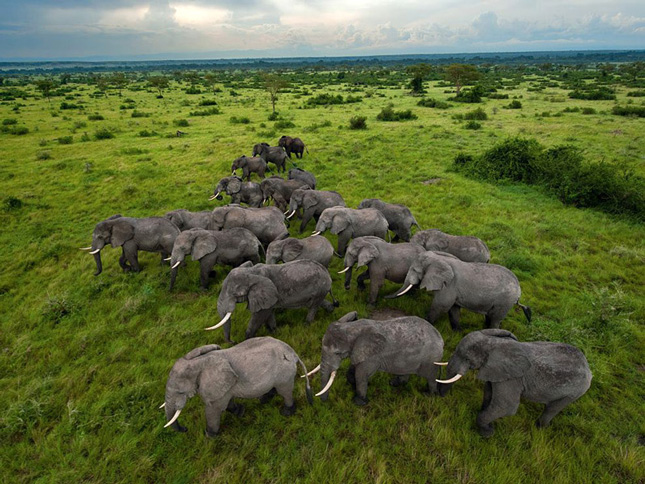
As Ivory Becomes Bigger Issue, Environmental Peacebuilding Gaining Ground at IUCN World Congress
›A traditional conservation approach to climate change (e.g., habitat restoration, species protection) has been a primary tenet of the International Union for Conservation of Nature (IUCN) agenda for decades. But this fall at the quadrennial World Conservation Congress in Hawai’i there were new discussions about tackling climate change in the context of national security and environmental peacebuilding.
-
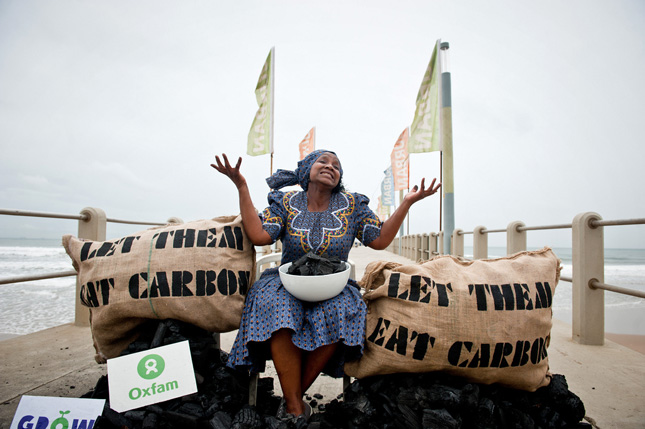
Africa’s Regional Powers Are Key to Climate Negotiations – But Will They Cooperate?
›Most African states are more vulnerable and less prepared to address climate change challenges than the rest of the world. This observation is supported by a wide variety of sources, including the Climate Vulnerability Index and the Notre Dame Global Adaptation Index. And in fact Africans and their political leaders frequently observe that this crisis, manufactured in the developed world, disproportionately affects their continent. During a meeting of the African Union in 2007, Ugandan President Yoweri Museveni called climate change “an act of aggression” by the rich against the poor.
-
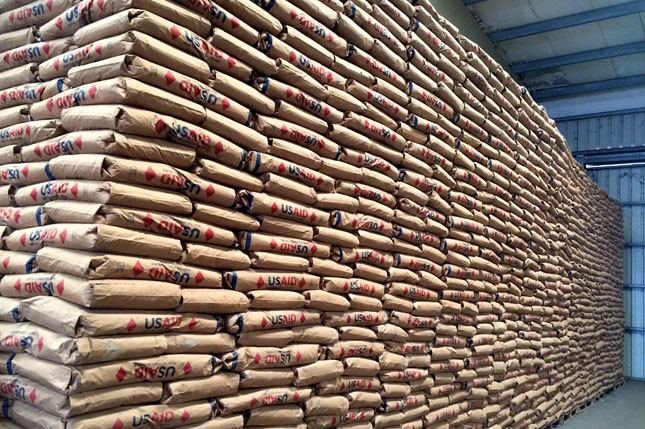
Inside a Data-Driven Attempt to Fight Spoilage in U.S. Food Aid
›Today, as El Niño-related droughts impact communities across East and Southern Africa, food aid shipment and distribution networks have shifted into high gear. From the U.S. Agency for International Development to the United Nations World Food Program and NGOs like CARE and Save the Children, food aid providers are stocking port warehouses in Djibouti and South Africa, as well as inland warehouses in countries like Ethiopia, Zimbabwe, and Lesotho.
Showing posts from category South Africa.
 A “green economy,” an energy sector composed entirely of renewables, is the goal of many. But we haven’t thought out the full implications of that change, says Stacy VanDeveer, professor at the University of Massachusetts Boston, in this week’s “Backdraft” podcast.