• woodrow wilson center
  • ecsp

New Security Beat

Subscribe:
  • rss
  • mail-to
  • Who We Are
  • Topics
    • Population
    • Environment
    • Security
    • Health
    • Development
  • Columns
    • China Environment Forum
    • Choke Point
    • Dot-Mom
    • Friday Podcasts
    • Navigating the Poles
    • Reading Radar
  • Multimedia
    • Water Stories (Podcast Series)
    • Backdraft (Podcast Series)
    • Tracking the Energy Titans (Interactive)
  • Films
    • Water, Conflict, and Peacebuilding (Animated Short)
    • Paving the Way (Ethiopia)
    • Broken Landscape (India)
    • Scaling the Mountain (Nepal)
    • Healthy People, Healthy Environment (Tanzania)
  • Publications
  • Events
  • Contact Us

NewSecurityBeat

The blog of the Wilson Center's Environmental Change and Security Program
Showing posts from category Nigeria.
  • UN Further Refines Population Projections: 80 Percent Probability of 10-12 Billion People by 2100

    ›
    October 16, 2014  //  By Elizabeth Leahy Madsen
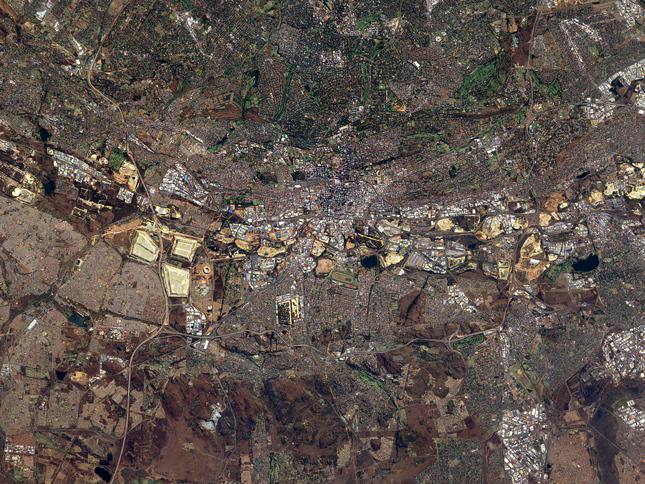
    Johannesburg

    Seasoned demography geeks know to anticipate the release of the UN Population Division’s World Population Prospects in the spring of odd-numbered years. An off-cycle update published last month in Science, summarizing new results and methodological changes to the projections, therefore provoked a buzz of interest and a mini-flurry of media coverage.

    MORE
  • Andrew Revkin, Dot Earth

    On the Path Past 9 Billion, Little Crosstalk Between UN Sessions on Population and Global Warming

    ›
    September 22, 2014  //  By Wilson Center Staff
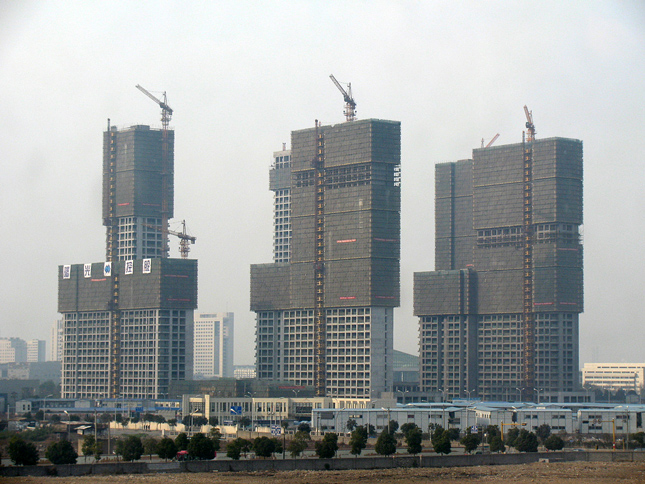
    china_construction

    The original version of this article, by Andrew Revkin, appeared on The New York Times’ Dot Earth blog.

    The United Nations and the streets of Manhattan are going into global warming saturation mode, from Sunday’s People’s Climate March through the Tuesday climate change summit convened by Secretary General Ban Ki-moon and on through an annual green-energy event called Climate Week.

    MORE
  • Global Youth Wellbeing Index Launched

    ›
    Eye On  //  September 15, 2014  //  By Heather Randall

    An estimated 1.8 billion people today are between the ages of 10 and 24 and 85 percent of them live in developing economies and/or fragile states. Such youthful age structures can lead to a number of challenges, including increased potential for instability, and countries with large numbers of young people must find ways to address their unique needs.

    MORE
  • What Can the Environmental Community Learn From the Military? Interview With Chad Briggs on Scenario Planning

    ›
    September 8, 2014  //  By Moses Jackson
    fukashima

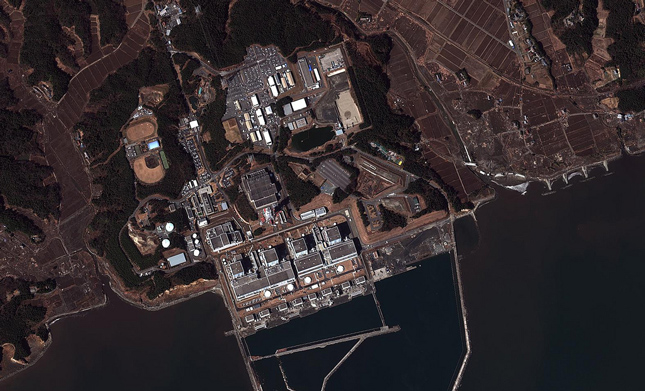
    Is it possible to prepare for the unexpected? Could anyone have foreseen, for instance, a nuclear meltdown triggered by an earthquake-induced tsunami? Or a brutal band of transnational militants quickly capturing Iraq’s largest dam while attempting to establish a new Islamic caliphate? Perhaps not exactly, but that shouldn’t stop us from anticipating unlikely events, says Chad Briggs, a risk assessment expert and strategy director of consulting firm GlobalInt.

    MORE
  • Three Things to Watch at the First-Ever U.S.-Africa Leaders Summit

    ›
    Eye On  //  From the Wilson Center  //  August 4, 2014  //  By Schuyler Null

    As presidents, prime ministers, and other policymakers from across the continent gather in Washington, DC, this week for the first-ever U.S.-Africa Leaders Summit, what are the issues to watch?

    MORE
  • Family Planning and Environmental Sustainability Assessment Aims to Shed Light on Pop-Environment Link

    ›
    Guest Contributor  //  August 4, 2014  //  By Robert Engelman
    Scaling-Mountain-women

    As global environmental change accelerates, understanding how population dynamics affect the environment is more important than ever. It seems obvious that human-caused climate change has at least something to do with the quadrupling of world population over the last 100 years.

    MORE
  • Investing in the Leaders of Tomorrow: World Population Day 2014 Youth Infographic

    ›
    Eye On  //  July 11, 2014  //  By Schuyler Null
    Leaders-of-Tomorrow_INFOGRAPHIC-final

    World Population Day began in 1987 after public imagination was sparked by the idea that there could be 5 billion people on Earth. Today, we’re well past 7 billion and according to the latest UN projections, headed north of 9 billion by mid-century.

    MORE
  • Richard Cincotta on Demography, Stability, and Democratization in Africa

    ›
    Eye On  //  July 2, 2014  //  By Thomas Curran

    “You can look into the future a couple decades and get a very good idea about where countries are going,” said Richard Cincotta during a presentation at the National Defense University last summer – at least when it comes to demography.

    MORE
Newer Posts   Older Posts
View full site

Join the Conversation

  • RSS
  • subscribe
  • facebook
  • G+
  • twitter
  • iTunes
  • podomatic
  • youtube
Tweets by NewSecurityBeat

Trending Stories

  • unfccclogo1
  • Pop at COP: Population and Family Planning at the UN Climate Negotiations

Featured Media

Backdraft Podcast

play Backdraft
Podcasts

More »

What You're Saying

  • Volunteers,At,The,Lagos,Food,Bank,Initiative,Outreach,To,Ikotun, Pan-African Response to COVID-19: New Forms of Environmental Peacebuilding Emerge
    Rashida Salifu: Great piece 👍🏾 Africa as a continent has suffered this unfortunate pandemic.But it has also...
  • A desert road near Kuqa An Unholy Trinity: Xinjiang’s Unhealthy Relationship With Coal, Water, and the Quest for Development
    Ismail: It is more historically accurate to refer to Xinjiang as East Turkistan.
  • shutterstock_1779654803 Leverage COVID-19 Data Collection Networks for Environmental Peacebuilding
    Carsten Pran: Thanks for reading! It will be interesting to see how society adapts to droves of new information in...

What We’re Reading

  • Rising rates of food instability in Latin America threaten women and Venezuelan migrants
  • Treetop sensors help Indonesia eavesdrop on forests to cut logging
  • 'Seat at the table': Women's land rights seen as key to climate fight
  • A Surprise in Africa: Air Pollution Falls as Economies Rise
  • Himalayan glacier disaster highlights climate change risks
More »
  • woodrow
  • ecsp
  • RSS Feed
  • YouTube
  • Twitter
  • Facebook
  • Home
  • Who We Are
  • Publications
  • Events
  • Wilson Center
  • Contact Us
  • Print Friendly Page

© Copyright 2007-2021. Environmental Change and Security Program.

Woodrow Wilson International Center for Scholars. All rights reserved.

Developed by Vico Rock Media

Environmental Change and Security Program

Woodrow Wilson International Center for Scholars

Ronald Reagan Building and International Trade Center

  • One Woodrow Wilson Plaza
  • 1300 Pennsylvania Ave., NW
  • Washington, DC 20004-3027

T 202-691-4000