• woodrow wilson center
  • ecsp

New Security Beat

Subscribe:
  • rss
  • mail-to
  • Who We Are
  • Topics
    • Population
    • Environment
    • Security
    • Health
    • Development
  • Columns
    • China Environment Forum
    • Choke Point
    • Dot-Mom
    • Friday Podcasts
    • Navigating the Poles
    • Reading Radar
  • Multimedia
    • Water Stories (Podcast Series)
    • Backdraft (Podcast Series)
    • Tracking the Energy Titans (Interactive)
  • Films
    • Water, Conflict, and Peacebuilding (Animated Short)
    • Paving the Way (Ethiopia)
    • Broken Landscape (India)
    • Scaling the Mountain (Nepal)
    • Healthy People, Healthy Environment (Tanzania)
  • Publications
  • Events
  • Contact Us

NewSecurityBeat

The blog of the Wilson Center's Environmental Change and Security Program
Showing posts from category Nigeria.
  • Climate Change and Conflict in West African Cities: Early Warning Signs in Lagos and Accra

    ›
    Guest Contributor  //  June 30, 2014  //  By Jeffrey Stark & Katsuaki Terasawa
    Old-Fadama-Accra

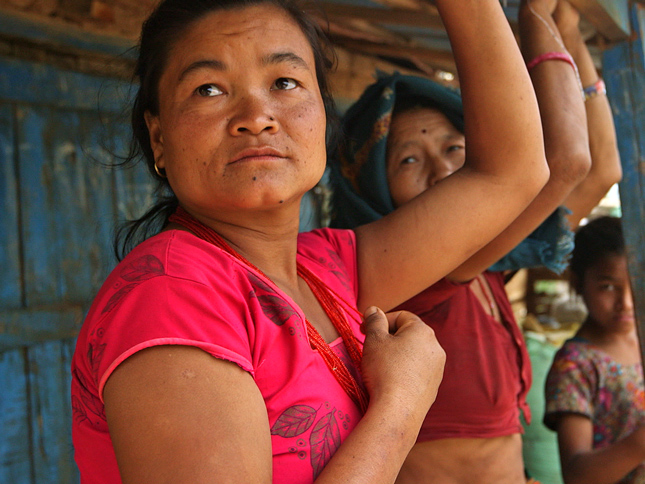
    Despite the threat posed by flooding and sea-level rise, relatively little attention has been paid to the potential for environmentally induced instability in coastal West African cities. However, current trends, including rapid population growth, land use patterns, and increasing climate impacts, suggest the costs of inaction in these urban areas are rising.

    MORE
  • Not Just Climate Change: Marcel Leroy on How Demography Contributes to Africa’s Scarcity Problems

    ›
    Friday Podcasts  //  June 6, 2014  //  By Donald Borenstein
    marcel_leroy

    The Sahel has endured multiple debilitating food crises over the last five years and climate change has often been fingered as the culprit. But it is important to equally consider the amplifying effects of demographic trends on resource scarcity, says the University of Peace’s Marcel Leroy in this week’s podcast.

    MORE
  • The Red Cross’s Peter Maurer on New Challenges for Humanitarian Aid

    ›
    From the Wilson Center  //  May 20, 2014  //  By Paris Achenbach

    11892623585_558285318f_o

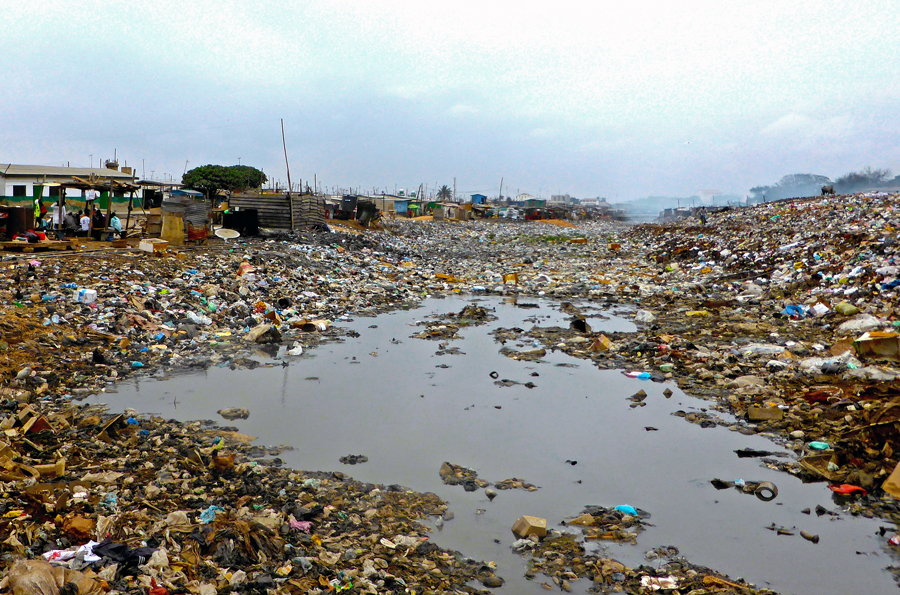
    Last year, the International Committee of the Red Cross (ICRC) celebrated 150 years of their mission to “protect the lives and dignity of victims of war and internal violence.” Though this mission hasn’t changed in the past century-and-a-half, the nature of conflict and crisis response has. [Video Below]

    MORE
  • ECC Platform

    Transparency, Good Governance, and Natural Resource Management: An Interview With Peter Eigen

    ›
    April 30, 2014  //  By Wilson Center Staff

    The original version of this article appeared on the Environment, Conflict, and Cooperation (ECC) Platform.

    The governance challenges of natural resource extraction are enormous. What can be done to improve natural resource governance? ECC’s Stephan Wolters talked to Peter Eigen, founder of Transparency International and chair of the Extractive Industries Transparency Initiative (EITI) from 2006 to 2011.

    MORE
  • Facing the Challenge of Adolescent Pregnancy: ‘State of the World Population 2013’ Launch

    ›
    Dot-Mom  //  From the Wilson Center  //  December 23, 2013  //  By Laura Henson
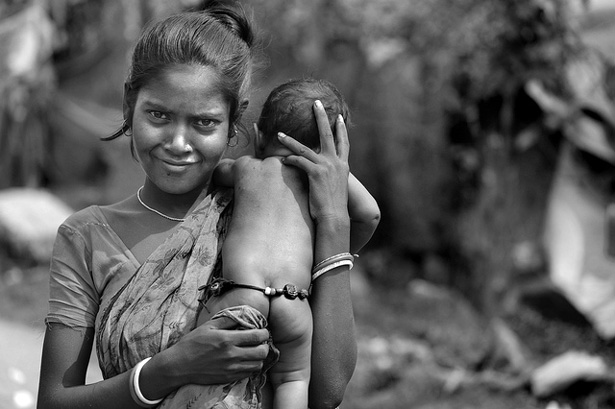
    calcutta-mother

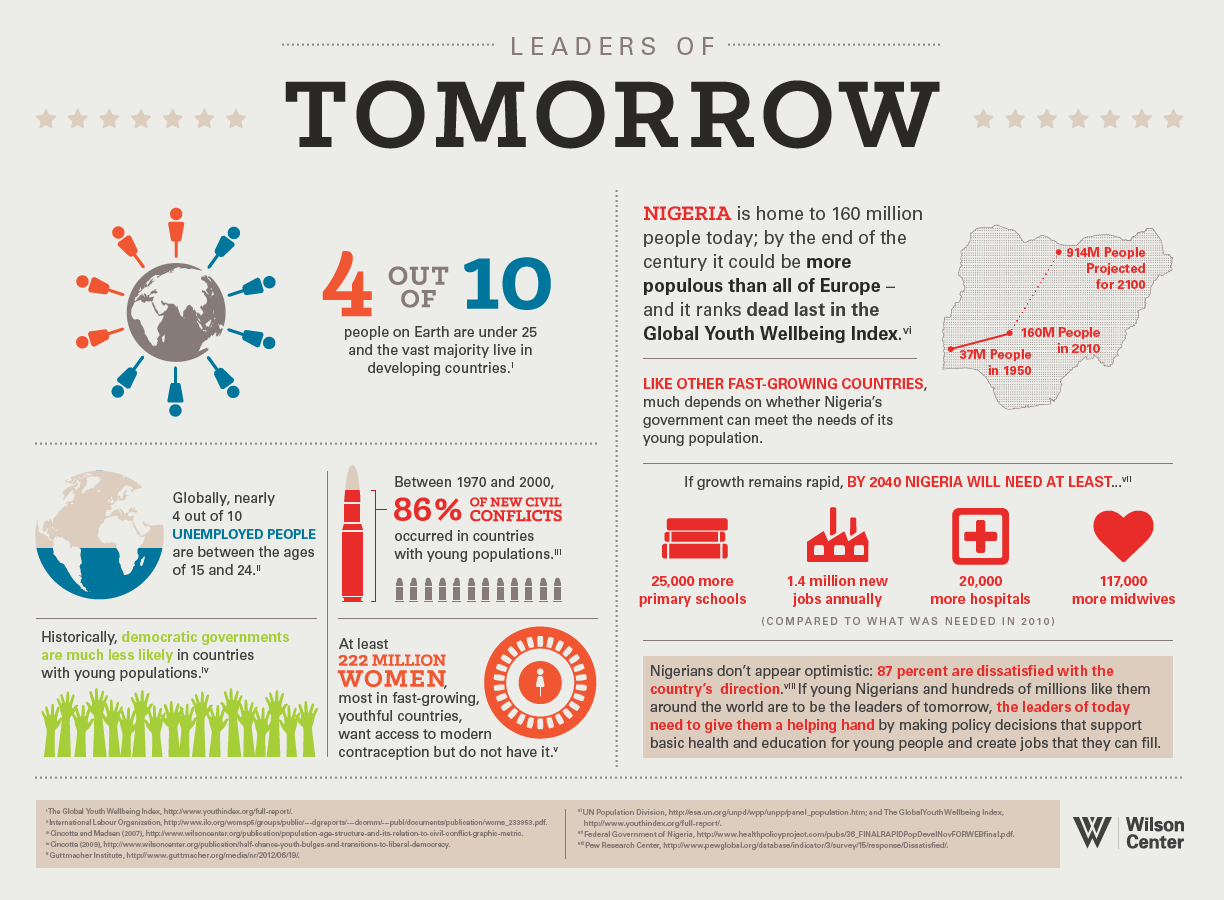
    Twenty thousand girls under the age of 18 give birth every day, and 90 percent of these births occur within the context of marriage, according to the UN Population Fund’s latest State of the World Population report. This year’s edition, launched at the Wilson Center on October 30, focuses on adolescent pregnancy and finding ways to better protect this vulnerable group of young women.

    MORE
  • Achieving the Demographic Dividend in Africa: Lessons From East Asia

    ›
    From the Wilson Center  //  November 14, 2013  //  By Laura Henson
    Hawa Abdi IDP Camp

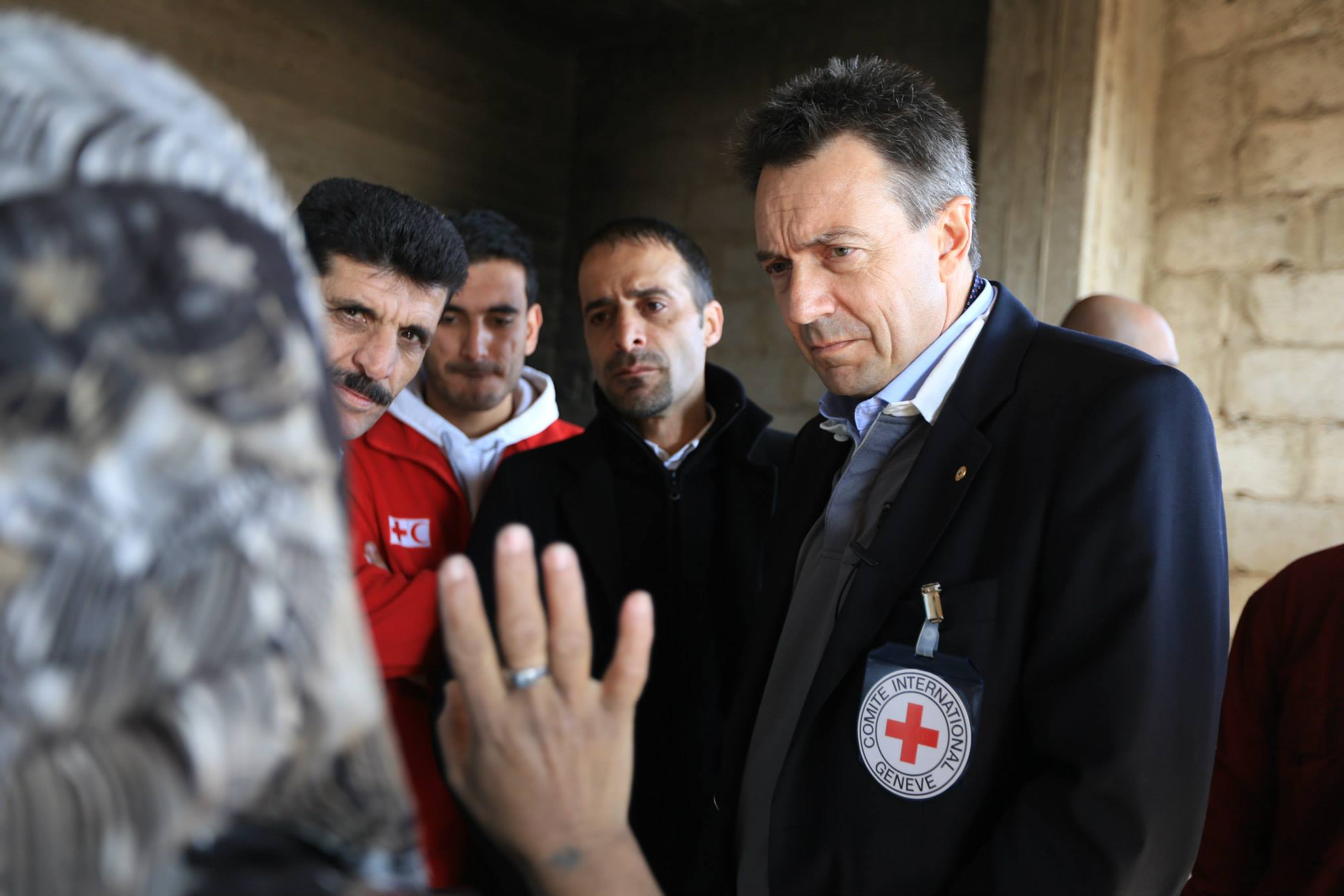
    In the latter half of last century, Thailand and other East Asian countries successfully capitalized on shifts in their age structures to gain a boost in economic productivity, a phenomenon known as the demographic dividend. Today, despite the hitherto sluggish pace of Africa’s demographic transition, scholars and politicians remain hopeful that similar changes on the continent may lead to faster development in coming decades. [Video Below]

    MORE
  • Why Has the Demographic Transition Stalled in Sub-Saharan Africa?

    ›
    August 7, 2013  //  By Elizabeth Leahy Madsen
    Ibadan Streets

    In a recent post on the new United Nations population projections, I discussed the risk in assuming that countries in sub-Saharan Africa will progress through the demographic transition at a pace similar to other regions. Making this assumption is questionable because fertility decline in Africa has generally proceeded more slowly than in other parts of the world, with several cases of “stalls” and even small fertility increases over time.

    MORE
  • Vulnerability View: GAIN Index Rates Climate Change Preparedness

    ›
    Eye On  //  July 31, 2013  //  By Jacob Glass
    DPRK GAIN Index Profile

    According to the UN, the planet has warmed faster since the turn of the century than any other period on record. Sea-level rise has also increased pace to 0.12 inches a year – almost double the rate observed during the 20th century. This “unprecedented” rate of climate change is expected to disproportionally impact developing countries, whose socio-economic, political, and physical landscapes make them particularly vulnerable to the effects. The GAIN Index, an interactive mapping tool recently acquired by the University of Notre Dame, can help policymakers prepare for these changes by comparing the climate change vulnerability and readiness of countries around the world.

    MORE
Newer Posts   Older Posts
View full site

Join the Conversation

  • RSS
  • subscribe
  • facebook
  • G+
  • twitter
  • iTunes
  • podomatic
  • youtube
Tweets by NewSecurityBeat

Trending Stories

  • unfccclogo1
  • Pop at COP: Population and Family Planning at the UN Climate Negotiations

Featured Media

Backdraft Podcast

play Backdraft
Podcasts

More »

What You're Saying

  • Volunteers,At,The,Lagos,Food,Bank,Initiative,Outreach,To,Ikotun, Pan-African Response to COVID-19: New Forms of Environmental Peacebuilding Emerge
    Rashida Salifu: Great piece 👍🏾 Africa as a continent has suffered this unfortunate pandemic.But it has also...
  • A desert road near Kuqa An Unholy Trinity: Xinjiang’s Unhealthy Relationship With Coal, Water, and the Quest for Development
    Ismail: It is more historically accurate to refer to Xinjiang as East Turkistan.
  • shutterstock_1779654803 Leverage COVID-19 Data Collection Networks for Environmental Peacebuilding
    Carsten Pran: Thanks for reading! It will be interesting to see how society adapts to droves of new information in...

What We’re Reading

  • Rising rates of food instability in Latin America threaten women and Venezuelan migrants
  • Treetop sensors help Indonesia eavesdrop on forests to cut logging
  • 'Seat at the table': Women's land rights seen as key to climate fight
  • A Surprise in Africa: Air Pollution Falls as Economies Rise
  • Himalayan glacier disaster highlights climate change risks
More »
  • woodrow
  • ecsp
  • RSS Feed
  • YouTube
  • Twitter
  • Facebook
  • Home
  • Who We Are
  • Publications
  • Events
  • Wilson Center
  • Contact Us
  • Print Friendly Page

© Copyright 2007-2021. Environmental Change and Security Program.

Woodrow Wilson International Center for Scholars. All rights reserved.

Developed by Vico Rock Media

Environmental Change and Security Program

Woodrow Wilson International Center for Scholars

Ronald Reagan Building and International Trade Center

  • One Woodrow Wilson Plaza
  • 1300 Pennsylvania Ave., NW
  • Washington, DC 20004-3027

T 202-691-4000