-
Achieving the Demographic Dividend in Africa: Lessons From East Asia
›
In the latter half of last century, Thailand and other East Asian countries successfully capitalized on shifts in their age structures to gain a boost in economic productivity, a phenomenon known as the demographic dividend. Today, despite the hitherto sluggish pace of Africa’s demographic transition, scholars and politicians remain hopeful that similar changes on the continent may lead to faster development in coming decades. [Video Below]
-
Why Has the Demographic Transition Stalled in Sub-Saharan Africa?
›August 7, 2013 // By Elizabeth Leahy Madsen
In a recent post on the new United Nations population projections, I discussed the risk in assuming that countries in sub-Saharan Africa will progress through the demographic transition at a pace similar to other regions. Making this assumption is questionable because fertility decline in Africa has generally proceeded more slowly than in other parts of the world, with several cases of “stalls” and even small fertility increases over time.
-
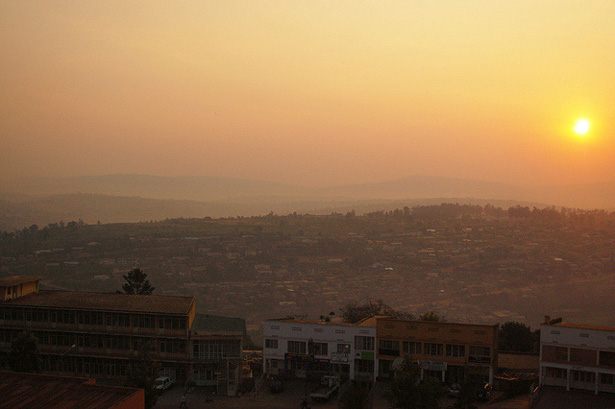
Vulnerability View: GAIN Index Rates Climate Change Preparedness
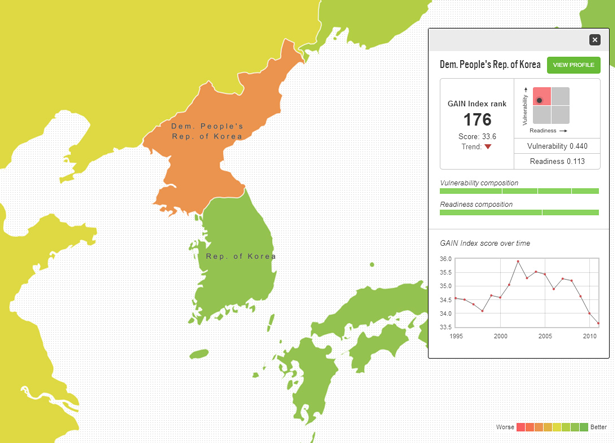
›According to the UN, the planet has warmed faster since the turn of the century than any other period on record. Sea-level rise has also increased pace to 0.12 inches a year – almost double the rate observed during the 20th century. This “unprecedented” rate of climate change is expected to disproportionally impact developing countries, whose socio-economic, political, and physical landscapes make them particularly vulnerable to the effects. The GAIN Index, an interactive mapping tool recently acquired by the University of Notre Dame, can help policymakers prepare for these changes by comparing the climate change vulnerability and readiness of countries around the world.
-
Woman-Centered Maternity Care, Family Planning, and HIV: Principles for Rights-Based Integration
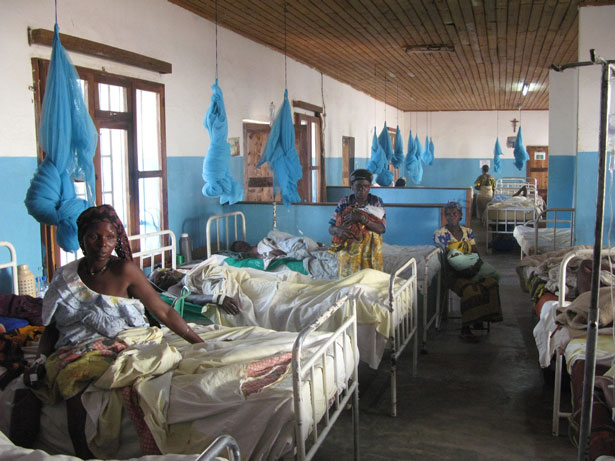
›Despite increases in the availability of maternal health care across Nigeria, maternal mortality rates remain high, averaging 630 per 100,000 live births in 2010, compared to the world average of 210. “This is data we are not proud of,” said Philippa Momah, board director of Nigeria’s White Ribbon Alliance, at the Wilson Center. “We believe that one of the issues is the way health care providers treat our women. This may be causing a 20 percent drop-out rate in the health care system.” [Video Below]
-
It’s Not (Just) About the Numbers: Resource Media’s Population-Environment Webinar
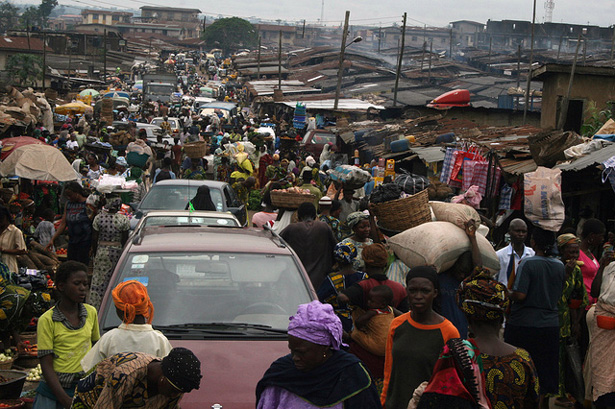
›“Unless something changes in a major way, Nigeria will pass the United States as the third most populous country by mid-century and rival China with its number of people by the end of the century,” said Ken Weiss in his introduction to a recent webinar hosted by Resource Media. But what does population growth have to do with the environment?
-
Poor Quality of Care Chills Progress in Improving Safe Delivery for Mothers
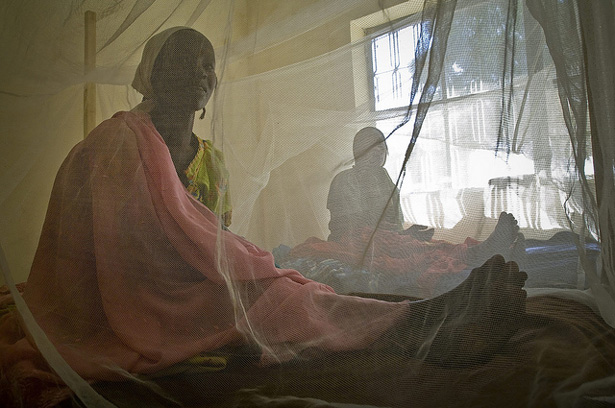
›“Today we have a golden opportunity to use respectful maternal care to break new ground at the intersection of health and human rights,” said Lynn Freedman, director of the Averting Maternal Death and Disability Program and professor of clinical population and family health at Columbia University, at the Wilson Center.
-
New UN Population Projections Released: Pockets of High Fertility Drive Overall Increase
›June 26, 2013 // By Elizabeth Leahy MadsenOctober 31, 2011, was notable not only for the annual ritual of candy and costumes, but also for its designation by the United Nations as the date when global population reached seven billion. Although just an estimate – demographers are not able to count individuals in real time on such a large scale – the event was an important opportunity to present population trends to the media and public dialogue. Several babies born that day were named the “seven billionth;” in Russia, where various incentives have been implemented to try to boost an ultra-low fertility rate, Vladimir Putin visited a maternity ward to greet one of them.
-
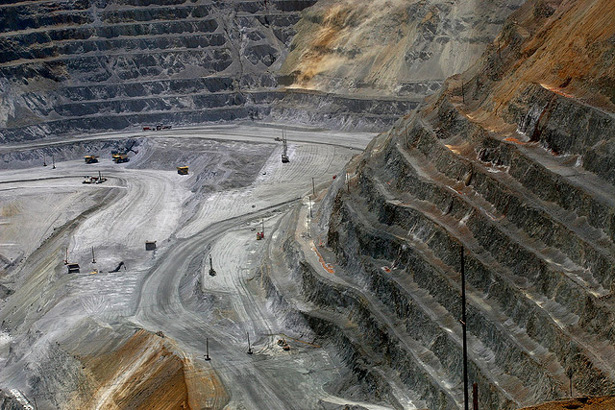
Despite “Greener Economy,” Extractive Industries’ Effects on Global Development, Stability Bigger Than Ever
›Despite the appearance of a new, “greener” economy, extractive industries – mining, oil, and natural gas – are now responsible for “moving more earth each year, just for mining and quarrying, than the global hydrological cycle,” writes the Transatlantic Academy’s Stacy VanDeveer in a recent paper, Still Digging: Extractive Industries, Resource Curses, and Transnational Governance in the Anthropocene. The costs of this activity are high and extend well beyond the wallet, he explains.
Showing posts from category Nigeria.