-
Linking Governance and Positive Maternal Health Outcomes in Africa
›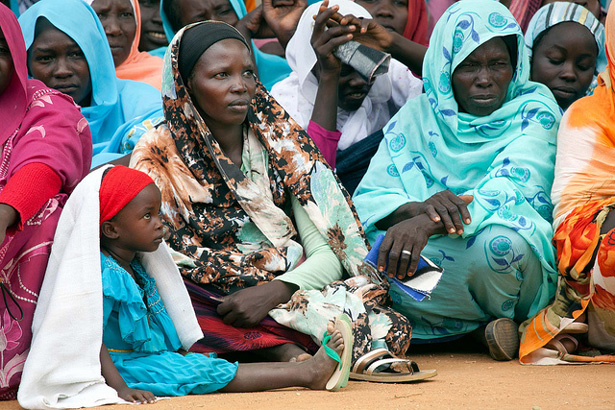
Sub-Saharan Africa is perhaps the riskiest place for a woman to give birth. According to the United Nations Population Fund (UNFPA), African women comprise approximately 56 percent of the maternal deaths and 91 percent of HIV-related maternal deaths worldwide every year. In order to bring life into this world, women in Africa literally must put their own lives on the line.
-
New Partnerships for Climate Change Adaptation and Peacebuilding in Africa
›
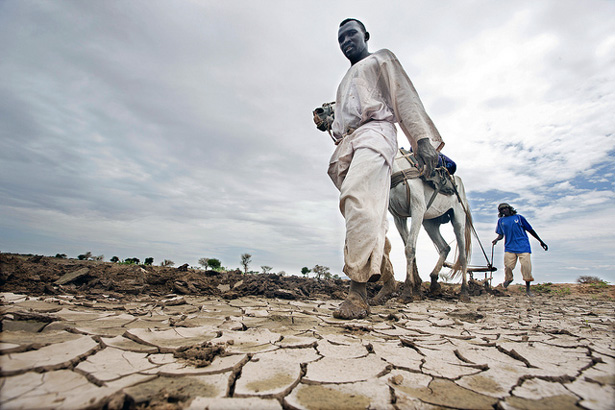
“There is a huge gap between climate science, policymakers, and the end-users, in terms of understanding climate change and adaptation, and how that relates to conflict or peace,” concluded 26 experts from more than 10 countries across sub-Saharan Africa at the Wilson Center last fall. But “climate change adaptation is crucial to achieving Africa’s aspirations for peace, security, and sustainable development.”
-
Demographic and Environmental Dynamics Shape ‘Global Trends 2030’ Scenarios
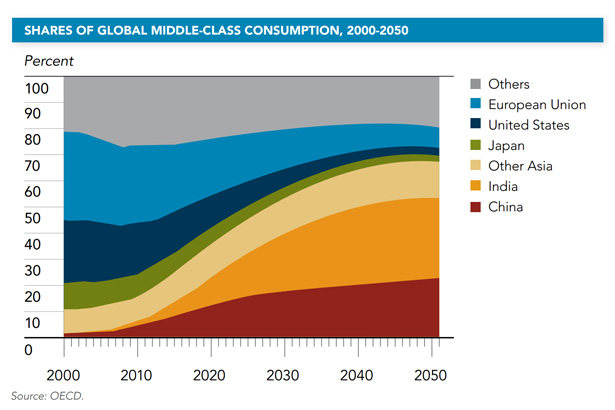
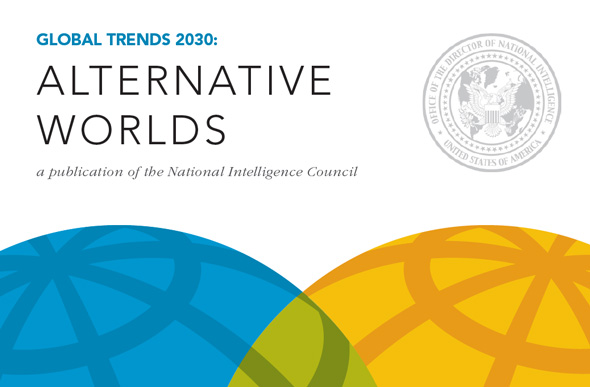
›“However rapid change has been over the past couple decades, the rate of change will accelerate in the future,” states the newest quadrennial report from the National Intelligence Council (NIC), Global Trends 2030: Alternative Worlds. Released late last year, the report identifies the “game-changers, megatrends, and black swans” that may determine the trajectory of world affairs over the next 15 years, including demographic dynamics and natural resource scarcity. [Video Below]
-
Jack Goldstone Discusses Future Demographic Trends: The Old, the Young, and the Urban
›In this podcast, Jack Goldstone of George Mason University discusses the world’s demographic stresses in the coming years. In parallel to a growing trend of population aging in developed countries, much of the world will remain young, growing, and urbanizing, he said. The choices these growing countries make over the next few decades will have reverberating effects for the rest of the world, from conflict potential to the spread of stable democracies.
-
Avoiding the Resource Curse in East Africa’s Oil and Natural Gas Boom
›This year, Texas-based Anadarko and Italian partner ENI are due to make the final investment decision on whether to construct one of the largest liquefied natural gas facilities in the world in Mozambique. The complex would allow them to tap into deep off-shore gas fields that could rival Australia and Qatar as the largest liquefied natural gas reserves in the world.
-
National Intelligence Council Releases ‘Global Trends 2030’: Prominent Roles Predicted for Demographic and Environmental Trends
›“We are at a critical juncture in human history, which could lead to widely contrasting futures,” writes the chairman of the National Intelligence Council (NIC) Christopher Kojm in the council’s latest forward-looking quadrennial report, Global Trends 2030: Alternative Worlds, released yesterday.
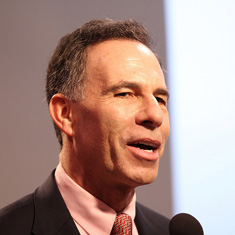
This year, principal author Mathew Burrows and his colleagues focus on a series of plausible global scenarios for the next 20 years and the trends or disruptions that may influence which play out. Among the most important factors in these projections are demography and the environment.
-
From Dirty Wells to Endocrine Disrupters: Covering Women, Water, and Health at SEJ 2012
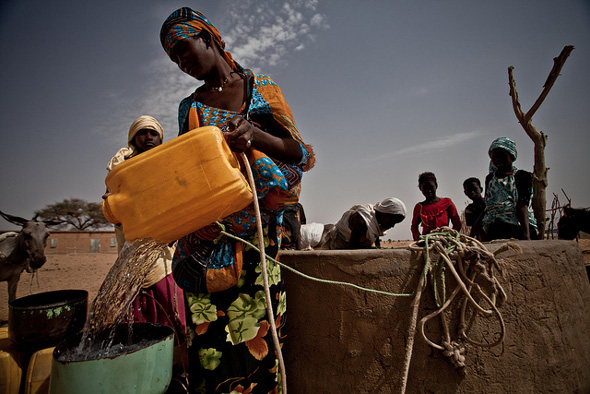
›Access to safe water is often taken for granted in developed countries. But last week at the 22nd annual conference of the Society of Environmental Journalists, panelists argued that the impact of dirty water on women’s health is an important but neglected story, not only in developing countries like Nigeria, but also in the United States.
-
Modeling Demographic Dividends, Fertility, and Income in Developing Countries
›The poorest households gain the least when countries reap the demographic dividend, according to a preliminary draft of a new study by four Harvard School of Public Health researchers. In “Microeconomic Foundations of the Demographic Dividend,” authors David Bloom, David Canning, Günther Fink, and Jocelyn Finlay write that 18 years of Demographic Health Surveys (DHSs) from 60 developing countries show that while declining fertility rates and dependency ratios can lead to rising incomes on a nationwide level, sub-nationally those trends occur unevenly and mostly benefit wealthier households. Poorer households, meanwhile, are likelier to see slower fertility declines, delaying the economic gains that can result from demographic transitions, and increasing inequality. Importantly, the authors emphasize that the study reflects “the early stages of the demographic transition”; long-term economic effects of fertility decline, they write, “remain ambiguous.”
Showing posts from category Nigeria.