-
High Stakes: Understanding Risk and Why This Year’s Climate Negotiations Are So Important
›
Expectations for the upcoming UN climate change summit in Paris are higher than they’ve been in years. Experts expect it will be the best chance to achieve a binding, universal agreement to limit carbon emissions. But the conference is still not getting the attention it deserves from policymakers and the public, given the stakes – and not just for the environment but for the international system writ large, said Nick Mabey, founding director and chief executive of the UK-based environmental NGO E3G at the Wilson Center on February 12.
-
Emerging Priorities for Maternal Health in Nigeria: Surveying the Field
›
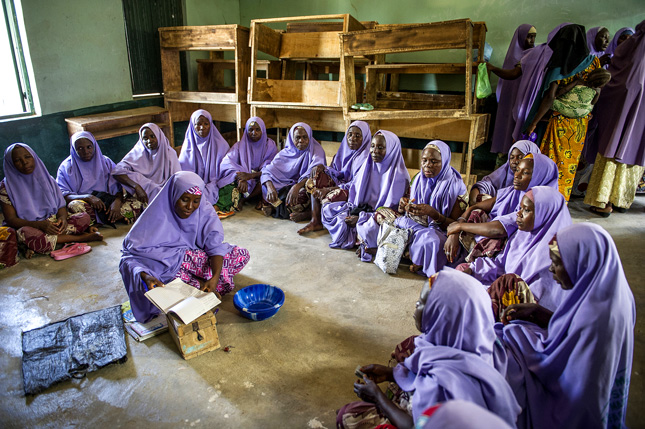
“Nigeria’s population is only two percent of the world population, but we contribute about 10 percent of the maternal mortality,” said Oladosu Ojengbede, professor and director of the University of Ibadan’s Center for Population and Reproductive Health. [Video Below]
-
New Data Explorer Explains Assumptions Behind Population Projections
›Population projections undergird many important policy decisions, from the U.S. government’s Feed the Future program to the Sustainable Development Goals. But they’re not as straightforward as they appear. Demographers often base their estimates on complicated assumptions that aren’t obvious to the end user.
-
Dr. Luther-King Fasehun, Maternal Health Task Force
To Turn the Tide of Maternal Mortality in Nigeria, Go State by State
›It is no longer news that Nigeria is a peculiar country, a nation with huge human and natural resources, and whose diversity of peoples and internal geographies is a blessing. Sadly, it is also not news that the country represents at least 10 percent of the global maternal mortality burden, with a currently estimated maternal mortality ratio (MMR) of 487 per 100,000 livebirths (as of 2011).
-
Low Oil Prices Could Shake up Africa’s Petro States
›One in five African states produce hydrocarbons, and most of these are heavily dependent on oil and gas revenues to finance their governments and generate foreign exchange. Further, an emerging group of East African states are waiting on international oil companies to develop new oil and gas reserves. But Africa’s record using non-renewable oil and gas resources to trigger economic and social development is poor – and plummeting prices may portend more instability to come.
-
Mobile Tech Drives Faster Data Collection for Family Planning Indicators With PMA2020
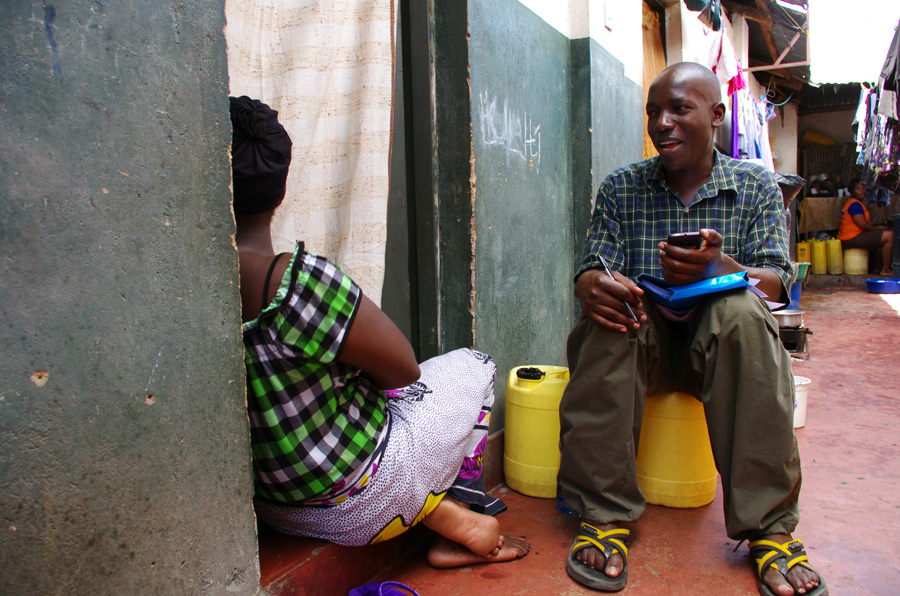
›December 22, 2014 // By Elizabeth Leahy MadsenIn an effort to revamp the time-intensive process of conducting household surveys to collect health data in developing countries, a new project is using mobile phones and rapid processing techniques to generate regular updates for a tranche of indicators previously only adjusted every three to five years.
-
What Climate Conflict Looks Like: Recent Findings and Possible Responses
›Climate change and conflict – what’s the relationship? In a recently completed set of field-based studies for USAID, the Foundation for Environmental Security and Sustainability set aside “yes-or-no” questions about whether climate change causes conflict and replaced them with pragmatic and politically informed questions about how climate change is consequential for conflict in specific fragile states.
-
Safety and Security in the Global Youth Wellbeing Index
›Few would argue with the notion that socioeconomic development is contingent on peace, safety, and security. What goes for nations, goes for people too – especially young people.
Showing posts from category Nigeria.