-
In Search of Higher Returns: Can Extractive Industries Help Build Peace?
›August 3, 2015 // By Carley Chavara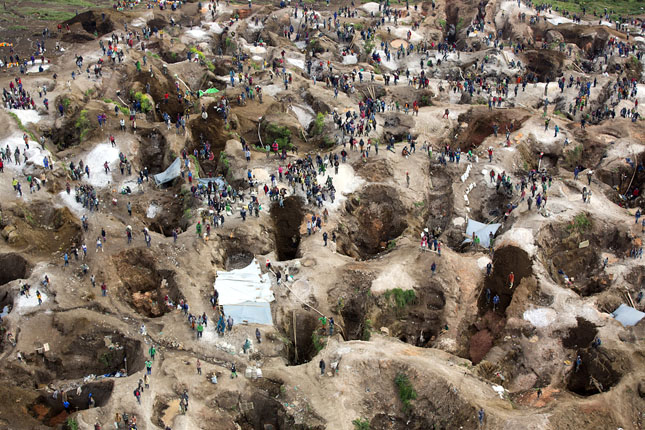
If you’re a government pondering the development of newly discovered natural resources, how do you avoid the so-called “resource curse” – the tendency of high value extractive resources, like oil, gas, or minerals, to, instead of prosperity, bring corruption, entrenched poverty, and even violence?
-
50 Years of Family Planning at USAID: Successes, Political Challenges, and Future Directions
›
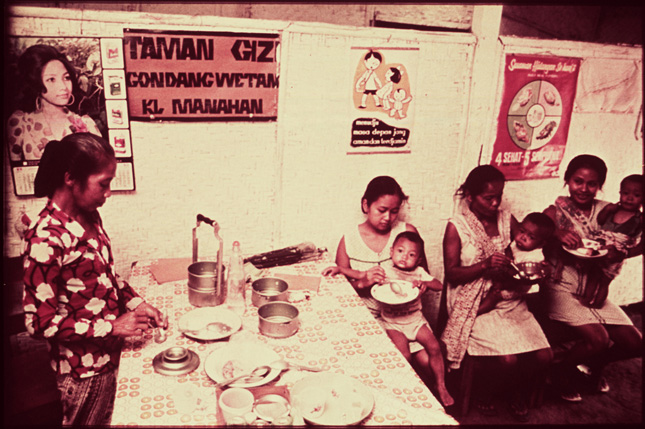
Since President Lyndon B. Johnson created the USAID population program in 1965, it has evolved in tandem with the global discourse on population and demography. “The agency’s family planning program is as relevant today as it ever was, and is necessary,” said Jennifer Adams, deputy assistant administrator of the U.S. Agency of International Development’s Bureau for Global Health. The bureau houses the Office of Population and Reproductive Health, which implements U.S. development and relief efforts to expand access to modern contraceptives, fight HIV/AIDS, reduce unsafe abortions, and protect the health of women and children. [Video Below]
-
De Souza: In Era of Man, Demography Needs to be Part of Environmental Security Discussion
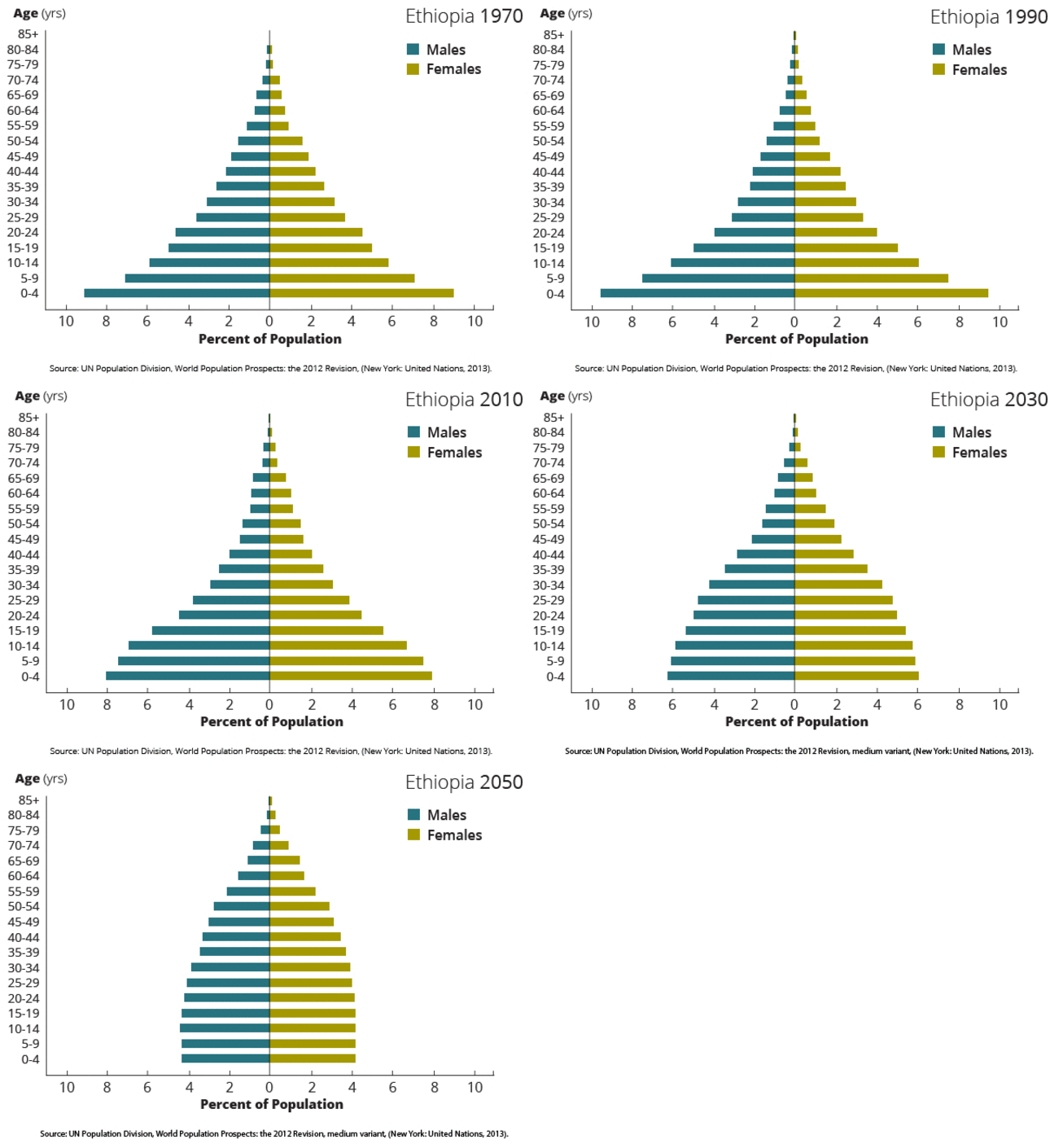
›A new article from the Wilson Center’s own Roger-Mark De Souza explores how population trends can bolster community resilience in the face of climate change and other security threats. De Souza argues that demographic trends such as age structure help determine how well a population is able to respond to and bounce back from shocks, especially environmental ones like drought and famine.
-
The Sahel Beyond the Headlines: Underlying Demographic, Environmental Trends Erode Resilience
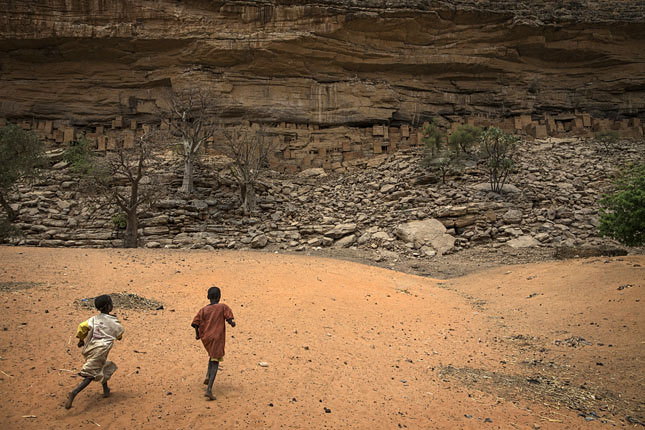
›Between the Sahara to the north and savanna to the south lies the semi-arid Sahel, a region stretching from Senegal to Sudan that has experienced desperate poverty, climate change, malnutrition, and violence. While every context is different, the Sahelian countries share some common challenges, including a pattern of recurring crises and fluid borders. Boko Haram’s reign of terror in northern Nigeria and Mali’s coup have both had cross-border components. [Video Below]
-
Two New Sites Help Visualize Demographic Concepts and Their Effect on Development
›A pair of recently launched data sources offers visualizations to help people understand two hot-button issues in demography: the demographic dividend and changing fertility rates.
-
Parfait Eloundou-Enyegue: Generational Inequality in the Sahel a Security Risk
›Rapid population growth, which many Sahelian countries are experiencing, is often associated with an increased risk of sociopolitical violence. But in this week’s podcast, Cornell University Professor Parfait Eloundou-Enyegue argues there is another factor related to demographic change that governments and development organizations should account for: inequality.
-
Obama Highlights Long-Term Climate Security Threats, Releases Review of Federal Resources
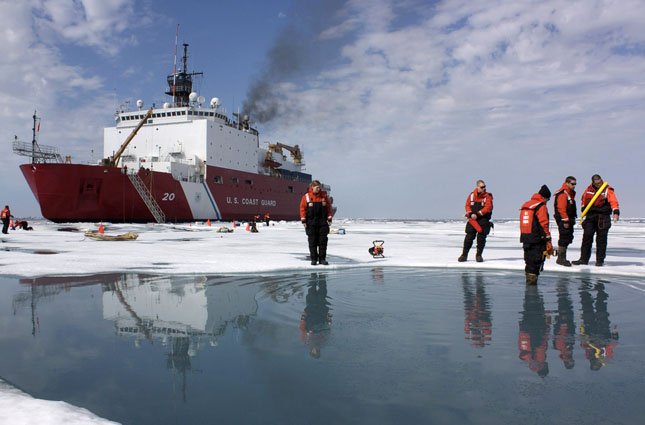
›May 20, 2015 // By Schuyler NullIn a commencement speech at the U.S. Coast Guard Academy today, President Obama said “climate change constitutes a serious threat to global security, an immediate risk to our national security, and, make no mistake, it will impact how our military defends our country.”
-
What’s Behind West and Central Africa’s Youthful Demographics? High Desired Family Size
›May 11, 2015 // By Elizabeth Leahy MadsenSub-Saharan Africa is often characterized as an outlier in terms of population dynamics and reproductive health. While women are having fewer children around the world, even prompting some places to begin worrying about aging populations, the demographic transition is proceeding more slowly in Africa. Fertility rates in North and Southern Africa have declined to around three children per woman, but the three other sub-regions of the continent – East, Central, and West Africa – retain much higher fertility, between five and six children per woman. Whether, and how quickly, fertility rates decline in these regions over the next few decades will in large part determine the peak of world population. These regions’ demographic trajectories also have important implications for health, governance, food security, economic development, land use, climate vulnerability, and even security.
Showing posts from category Nigeria.