-
As Ebola Lingers in Liberia, What Have We Learned?
›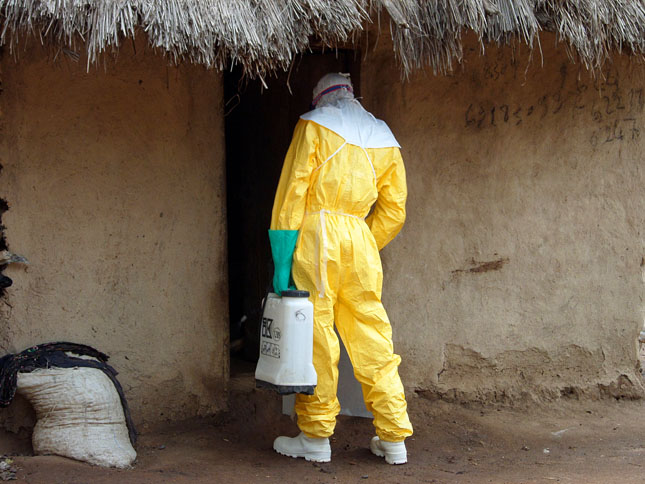
The deadly West African Ebola epidemic has largely faded from headlines, replaced by mounting concern over conflict in the Middle East, terrorism, and refugees streaming into Europe. But while Guinea and Sierra Leone were declared free of the disease in November, Monrovia saw three new cases two weeks later. At least 149 individuals who came into contact with the infected have been identified thus far, according to the World Health Organization (WHO).
-
Sexual and Reproductive Health and Rights Key to Youth Empowerment – But How Do You Put Girls at the Center?
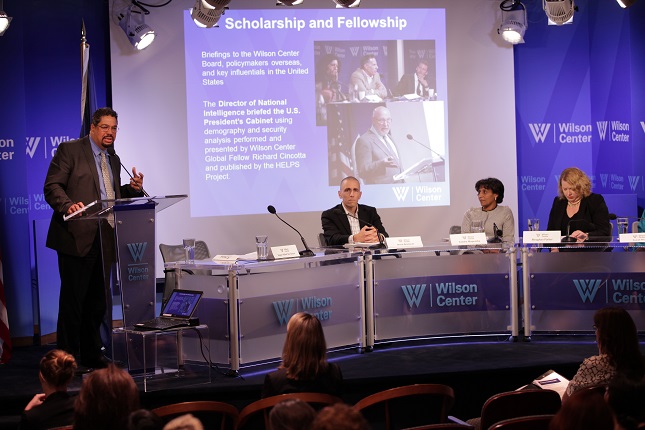
›“If we are serious about results, [the Sustainable Development Goals] must be developed from the perspective of the young person, particularly the adolescent girl. It is about her challenges, her rights, and her future. Займ на карту онлайн. Our collective success begins and ends with her,” said Benoit Kalasa, director of the technical division for the United Nation’s Population Fund at the Wilson Center on October 19. [Video Below]
-
Rethinking Business As Usual: Leveraging the Private Sector to Strengthen Maternal Health
›In 2013, nearly 300,000 women died during pregnancy and childbirth. The majority of those deaths were in developing countries and entirely preventable. 500 dollar loan. Much of the effort towards reducing this number has been focused on what governments should do differently, but the private sector plays just as important a role as the public sector, said a panel of experts at the Wilson Center on September 17. [Video Below] -
Finding the Path: Increasing Contraceptive Choice in Africa’s Most Populous Countries
›More than 225 million women in developing countries want to avoid or delay pregnancy but are not using safe, modern, and effective contraceptive methods. Such a gap between women’s contraceptive behavior and reproductive goals is called an unmet need for family planning, and no region has more unmet need than sub-Saharan Africa. [Video Below]
-
Previewing the Next Generation of Global Maternal and Newborn Health Programs in Mexico City
›The Global Maternal Newborn Health Conference, held in Mexico City from October 18-21, will provide a forum to identify, understand, and respond to the most urgent health needs of mothers and newborns. The hope is that it will accelerate momentum for maternal and newborn health in the newly adopted Sustainable Development Goals and put us on a track to end all preventable maternal and newborn deaths.
-
Food Security Goals Linked to Expanding Access to Family Planning, Says PRB Report
›Food security and proper nutrition are essential elements for the good health and wellbeing of individuals and communities. Proper nutrition increases productivity and subsequently helps lift families out of poverty. However, an estimated 800 million people are chronically malnourished across the world. Globally, more than 3 million children die each year due to illnesses caused by malnutrition.
-
The Road Ahead for Young People and Family Planning
›Yesterday was International Youth Day, and governments, donors, and public health professionals are paying more attention to the unique needs of the world’s young people and the importance of their civic engagement and participation. Unfortunately, most young people do not have access to basic sexual and reproductive health care and information. This not only undermines their health and wellbeing, but significantly affects their abilities to stay in school and participate in their communities.
-
Engaging Decision-makers on Family Planning: Some Right IDEAs
›Just a few years ago, progress on global family planning and reproductive health policy seemed to be stuck in a rut. “For 20 years, development money for health had been directed to fight HIV and poverty, and as a result, momentum, interest, and funding for family planning had dwindled,” said Susan Rich, vice president of global partnerships for the Population Reference Bureau (PRB), at the Wilson Center on July 15. “Unmet need for family planning was high all over the world, but especially in Africa.” [Video Below]
Showing posts from category Nigeria.