-
Measuring Poverty From Space, and a Loss and Damage Strategy for Pakistan
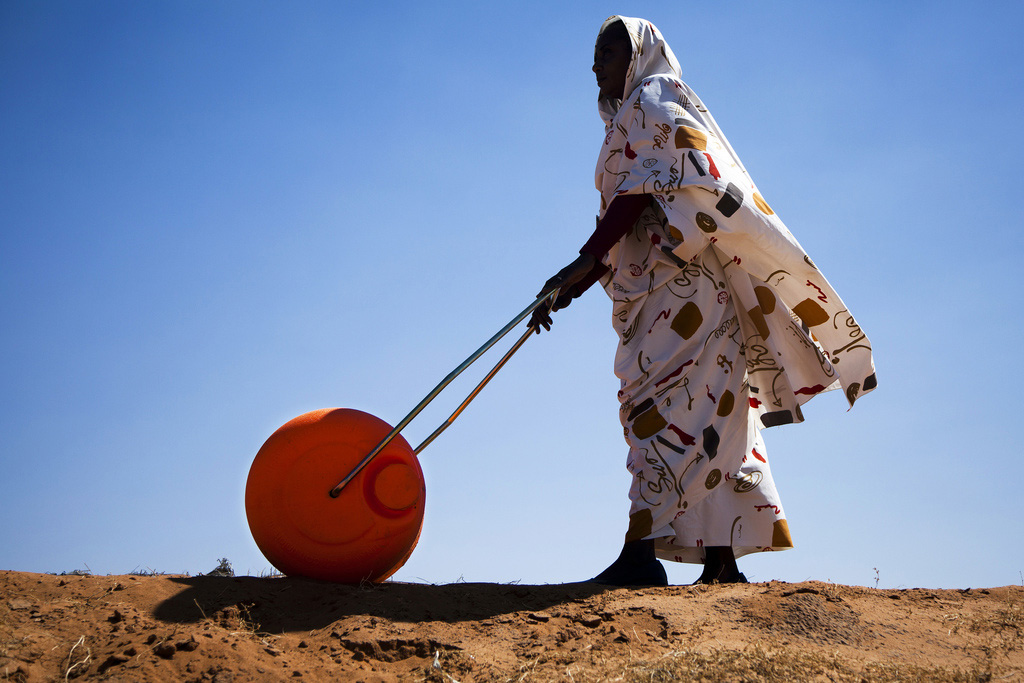
› Accurate measurements of wealth are useful for developing more targeted and effective poverty reduction programs. Unfortunately, such metrics are few and far between, as data on economic livelihoods tends to be expensive to obtain, and once collected, is often unreliable.
 -
As Cities Grow More Crammed and Connected, How Will We Discourage the Spread of Disease?
›
Near the corner of Broadwick and Lexington in London’s Soho neighborhood, a single spot on the ground has influenced more than 150 years of urban development. It’s the location of a water pump that in 1854 physician John Snow pinpointed as the source of contamination leading to a widespread outbreak of cholera in the neighborhood that killed more than 600 people.
-
Africa’s Regional Powers Are Key to Climate Negotiations – But Will They Cooperate?
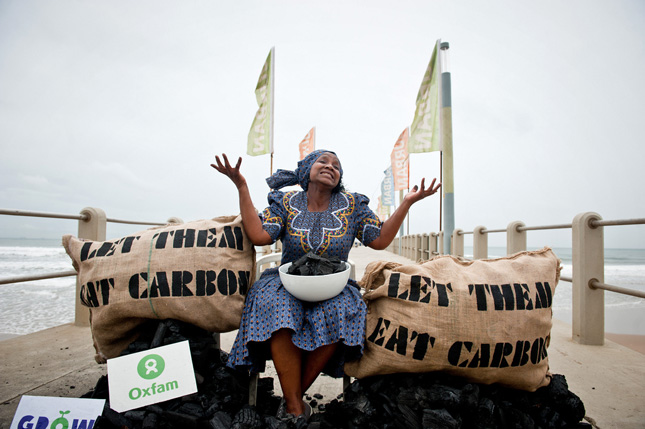
›Most African states are more vulnerable and less prepared to address climate change challenges than the rest of the world. This observation is supported by a wide variety of sources, including the Climate Vulnerability Index and the Notre Dame Global Adaptation Index. And in fact Africans and their political leaders frequently observe that this crisis, manufactured in the developed world, disproportionately affects their continent. During a meeting of the African Union in 2007, Ugandan President Yoweri Museveni called climate change “an act of aggression” by the rich against the poor.
-
Is Shanghai’s Appetite for Sand Killing China’s Biggest Lake?
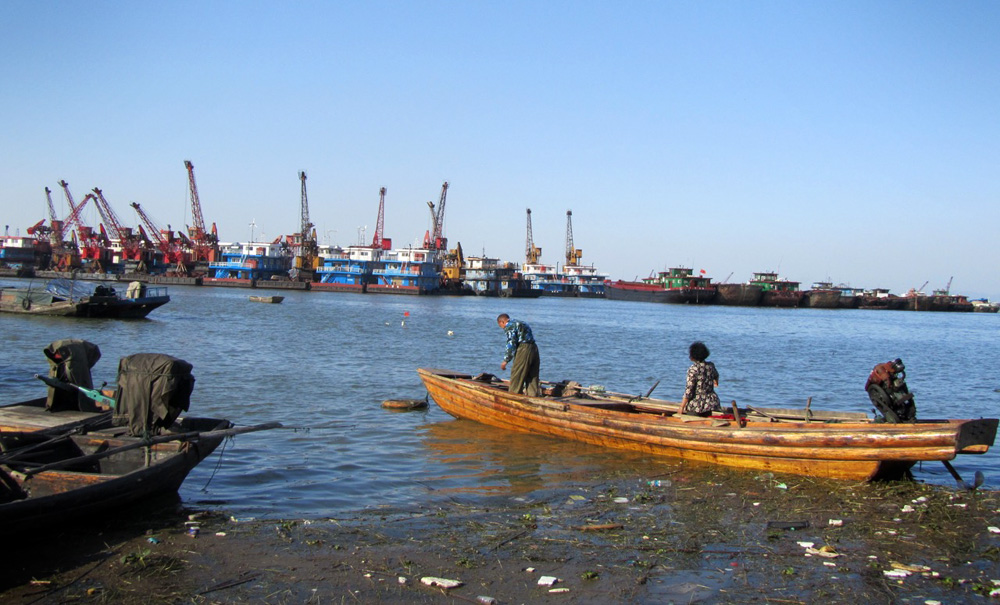
›Times are good for Fey Wei Dong. A genial, middle-aged businessman based in Hangzhou, Fey says he is raking in the equivalent of $225,000 a year from trading in the humblest of commodities: sand.
-
Africa Has the Demography for Dividends, But Will it Get the Policy Right?
›In recent years, the demographic dividend has garnered enormous traction in African policy circles, and leaders and policymakers have begun to see it as a strategy for achieving their economic growth targets.
-
Global Stories From the Nexus of Gender and Climate Change Vulnerability
›March 21, 2016 // By Gracie CookDeveloping countries are in a pitched fight against the effects of climate change, and women, playing prominent roles in agriculture and household resource collection, are “at the front lines in the battle,” writes UN Framework Convention on Climate Change Executive Secretary Christiana Figueres, in a new report.
-
Water and Security Hotspots to Watch in 2016 [Infographic]
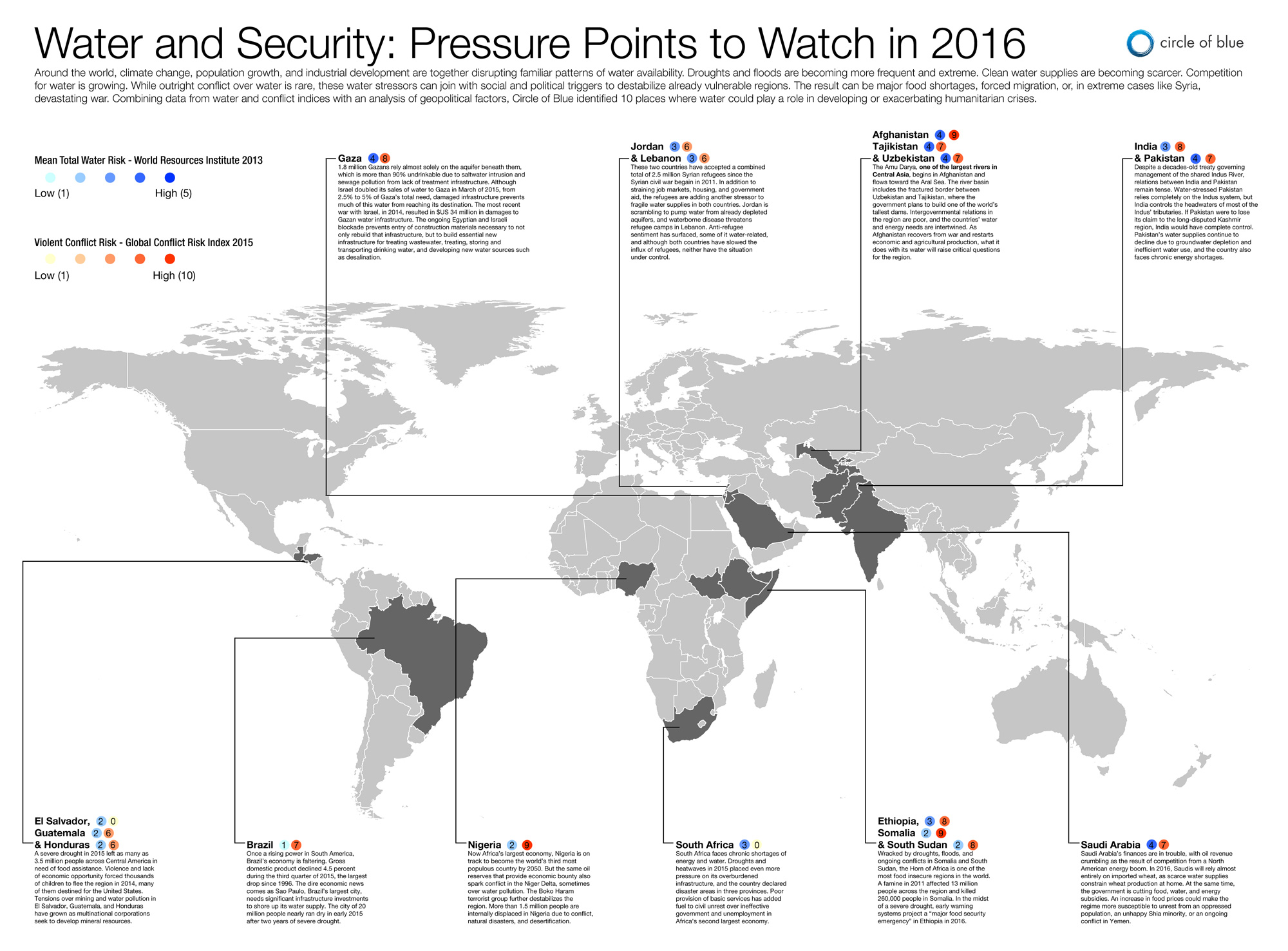
›The ongoing violence in Syria exhibits the potential for water problems – a historic drought, in this case – to exacerbate existing social and political problems and contribute to humanitarian crises. In a recently released infographic, Circle of Blue combined data from the European Commission Joint Research Center’s Global Conflict Risk Index and the World Resources Institute’s Aqueduct Water Risk Atlas to identify 10 hotspots around the world where water “could play a role in developing or exacerbating humanitarian crises” in 2016.
-
Adapting to Climate Change in Cities May Require a Major Rethink
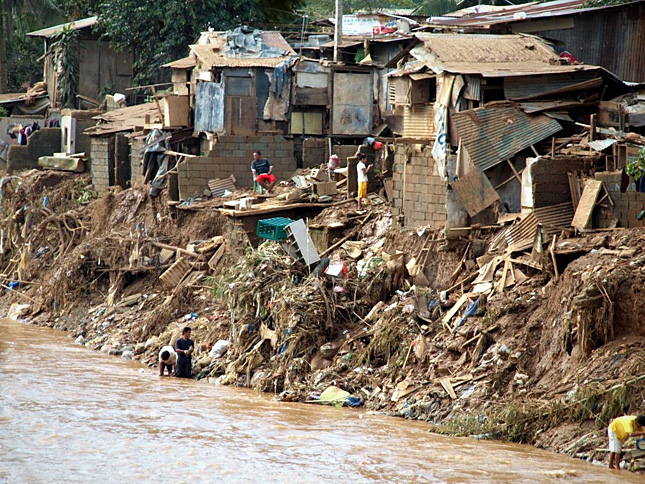
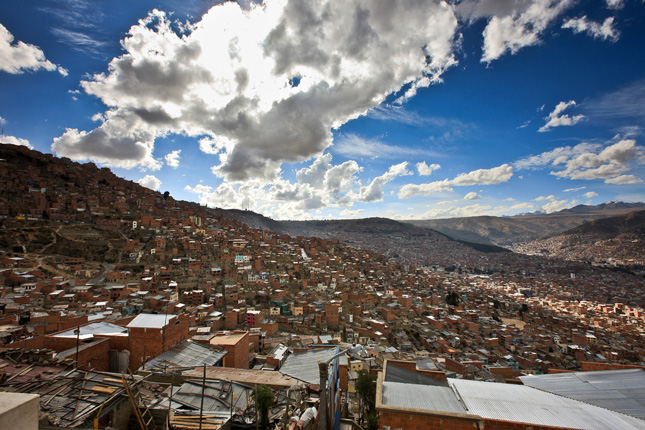
›Around the world, urbanization and climate change are transforming societies and environments, and the stakes could not be higher for the poor and marginalized. The 2015 UN climate conference in Paris (COP-21) highlighted the need for coordinated action to address the profound injustice of the world’s most disadvantaged people bearing the greatest costs of climate impacts. Among those at the COP were mayors from around the world advocating for the important role of cities in these efforts.
Showing posts from category Nigeria.