-
UN Special Rapporteur Calls for Action on Toxic Remnants of War to Protect Children
›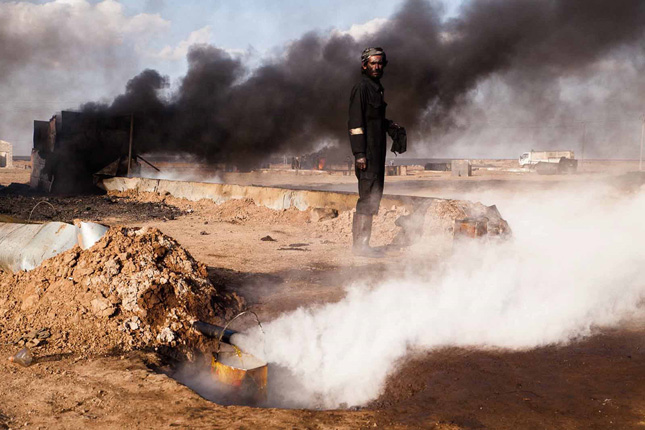
This month, Baskut Tuncak, the United Nations special rapporteur on human rights and toxics, presented the findings of his report on the effects of hazardous substances on the lives of children around the world to the 33rd session of the Human Rights Council. His conclusions were bold and brave for their implications on conflict: States should take responsibility for cleaning up the toxic remnants of war and providing medical aid to affected communities and individuals.
-
Major Water Disputes Are Often Beyond War and Peace
›
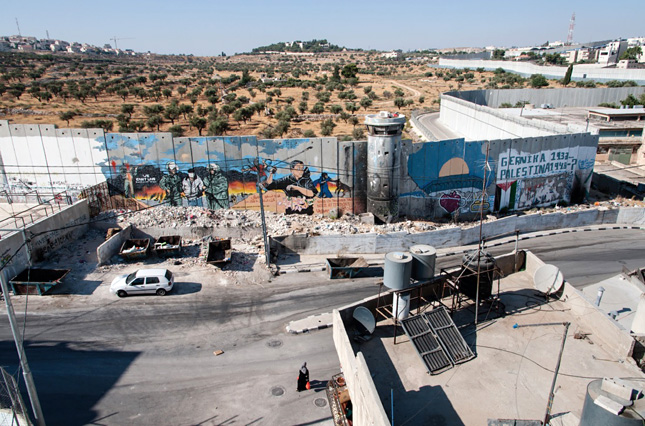
Early this June, the Israeli government cut off drinking water to people living in the Salfit region of the West Bank and three villages east of Nablus. The consequences have been dire. Thousands of Palestinians have been left with no running water in their homes, and factories have been forced to shutter. The power imbalance that leaves Palestinians so vulnerable to Israeli turns of the valve plays out every year, made possible by Israel’s occupation of the water-rich Golan Heights in 1967. What is perhaps most surprising is that the situation persists.
-
UN, U.S. Summits Offer Modest Immediate Relief to Refugees, But Systemic Reforms Needed
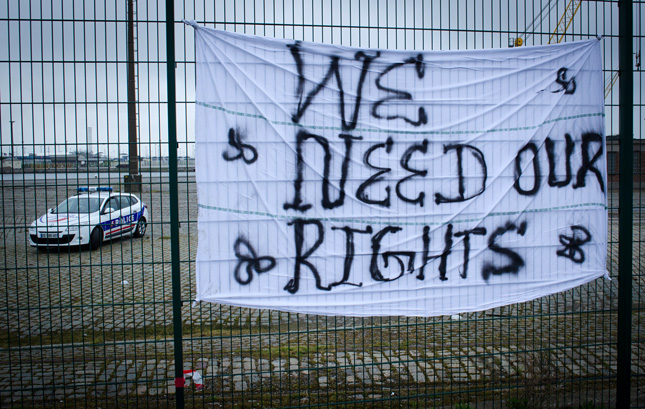
›Heads of state gathered in New York for the September 19 United Nations Summit on Refugees and Migrants will reaffirm principles of international law, pledge to treat asylum seekers more humanely, and promise to improve coordination between humanitarian and development organizations.
-
From Brown to Green: Three Scenarios for a Southeast Asian Regional Energy Grid
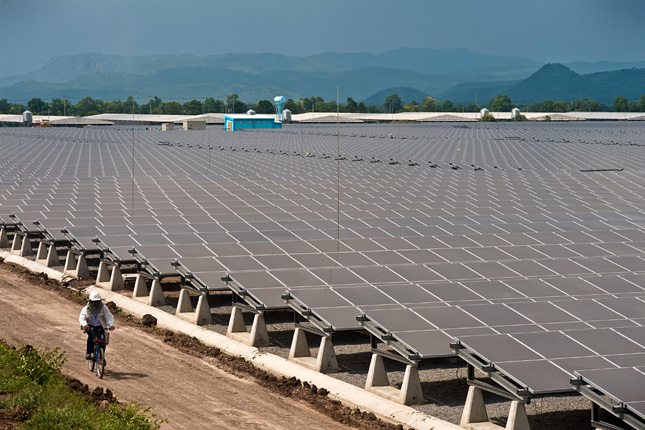
›Southeast Asia is one of the fastest growing energy markets in the world. Regional demand for energy may grow by as much as 80 percent and electricity demand more than triple by 2040. To keep up, governments are working to expand coordination across borders and create a broader regional energy grid (indeed their efforts predate their northern neighbors’ recent announcement of a “supergrid” by several decades).
-
How Lapis Lazuli Turned One Afghan Mining District to the Taliban
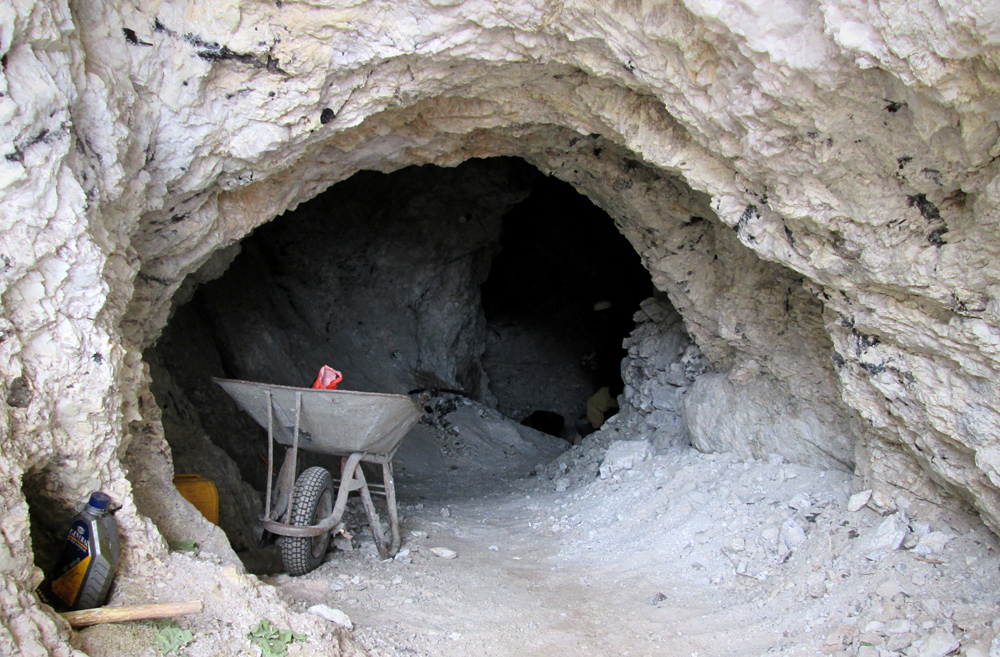
›August 25, 2016 // By Adrienne BoberIn the mountains of northern Afghanistan, between Pakistan and China, a region that has historically rejected the Taliban has become the group’s second-largest source of revenue. The twisting tale of Kuran wa Munjan reveals the challenges of extracting precious minerals in unstable and fragile states.
-
Left Out and Behind: Fully Incorporating Gender Into the Climate Discourse
›August 22, 2016 // By Cara ThuringerMore often than not in the discourse around gender and climate change, the word “gender” is used primarily to refer to women. There is no disputing that women are acutely vulnerable to the effects of climate change in ways that are different than men and sometimes hidden. However, this interchangeable use of words neglects other dimensions of gender, sexual orientation, and sexual identity. As a result, we are missing important ways gender impacts people’s experiences with climate change.
-
Rowand Jacobsen, Ensia
Can New Water Tech Help Reduce Conflict in Middle East?
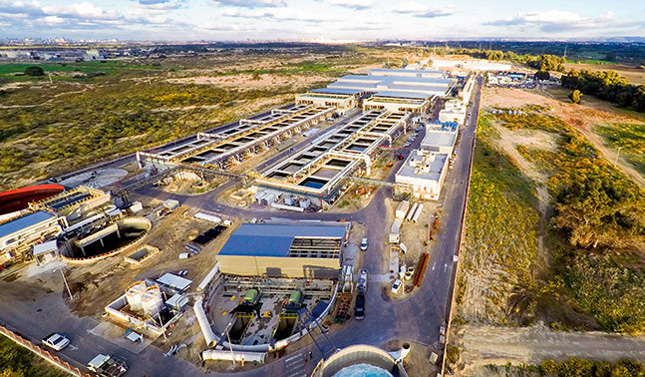
›August 9, 2016 // By Wilson Center StaffTen miles south of Tel Aviv, I stand on a catwalk over two concrete reservoirs the size of football fields and watch water pour into them from a massive pipe emerging from the sand. The pipe is so large I could walk through it standing upright, were it not full of Mediterranean seawater pumped from an intake a mile offshore.
-
Oil, Greed, and Grievances in the Middle East and North Africa
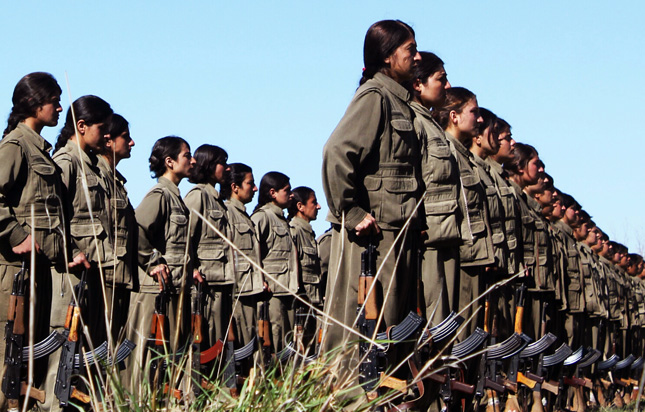
›Between 1961 and the U.S. invasion of Iraq in 2003, Iraqi Kurdistan’s quest for independence has led to the violent death of an estimated 180,000 people. At least 12 independent political groups represent the Kurdish minority in the north of the country. These groups have pursued wildly different strategies to reach their goals, some orchestrating terrorist attacks or larger-scale violence, others choosing education and propaganda campaigns, the provision of social services to gain popular support, and demonstrations.
Showing posts from category Middle East.