-
Navigating Complexity: Climate, Migration, and Conflict in a Changing World
›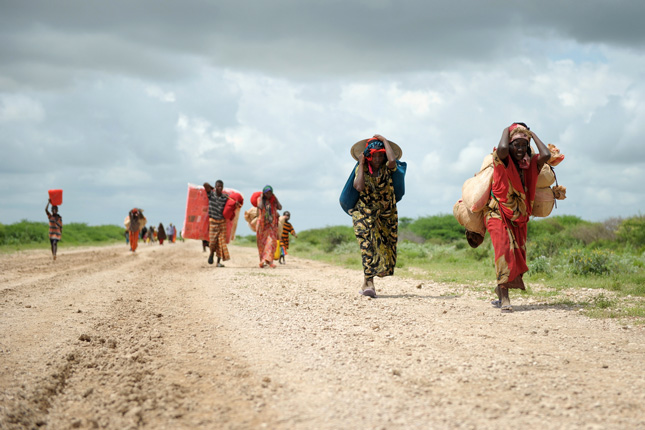
Record levels of displacement and accelerating climate change have prompted many to wonder if the world is headed toward a more violent future. The nexus of climate change, migration, and conflict is posing fundamental challenges to societies. But not always in the ways you might think. In a new report prepared for the U.S. Agency of International Development, Lauren Herzer Risi and I present a small guide to this controversial and consequential nexus of global trends.
-
“You Are Asking About Pollution?”: One Journalist’s Perspective on the Mid East’s Environmental Crisis
›
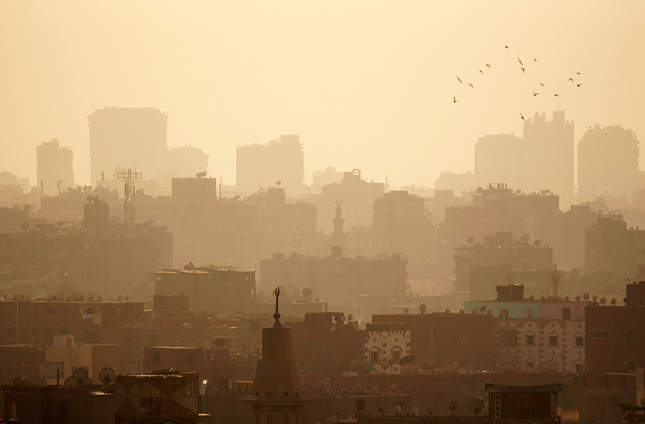
It was some point in May last year, shortly after ISIS surged into the city of Ramadi, and I was working on a story about Iraq’s fast-disappearing Mesopotamian Marshes. Keen to fact-check a few statistics with the Ministry of Water Resources and to hear the government line on the wetlands’ struggles, I dialed its Baghdad offices. After being passed from official to official like a hot potato, a young employee, Hussein, finally gave it to me straight. “No, no, we don’t have this sort of information,” he said, clearly impatient to get off the phone. “There are much more important things in Iraq right now.”
-
Chris Mooney, The Washington Post
Mosul Battle Shows Link Between War and Environmental Degradation, Says UN Agency
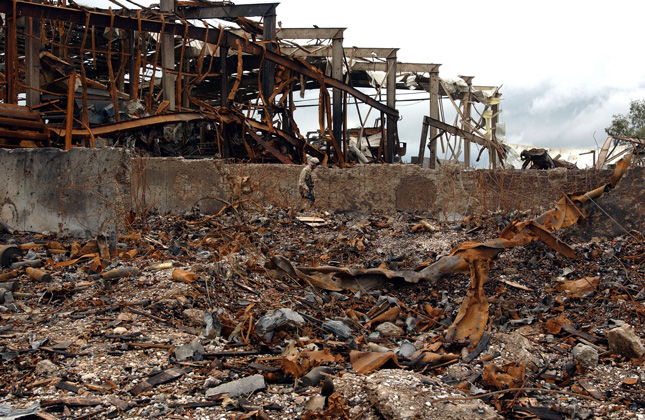
›November 4, 2016 // By Wilson Center StaffThe United Nations Environment Program is highlighting the battle by Iraqi forces to reclaim Mosul from the Islamic State as the latest instance in the complex but very real linkage between military conflicts around the world and extreme environmental degradation.
-
Resolution 2250 and the Role of Young People in Building Global Peace and Security
›Since its adoption in December 2015, United Nations Security Council Resolution 2250 on youth, peace, and security has been hailed as the first of its kind to recognize young people as meaningful drivers of change through its explicit encouragement of youth leadership at all levels of conflict prevention and peacebuilding. “It’s a testament to the fact that global youth today can have a real meaningful impact on the big issues of today, in the big arenas where discussions are happening,” said Andy Rabens, a special advisor on global youth issues for the U.S. Department of State, at the Wilson Center on October 6.
-
Report: Reducing Risks from Rapid Demographic Change
›October 27, 2016 // By Cara ThuringerThe world is undergoing a period of demographic transition which presents both opportunities and challenges for governments. A report by the Atlantic Council’s Mathew Burrows, formerly of the National Intelligence Council, Reducing the Risks from Rapid Demographic Change, examines the changes in population structures across high-, upper-middle-, lower-middle-, and low-income countries.
-
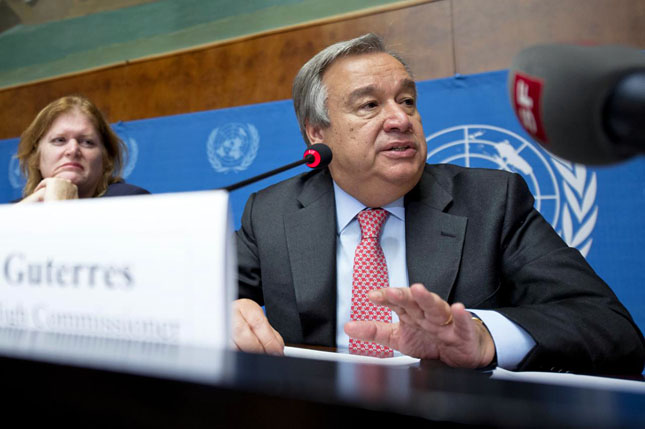
António Guterres and the Way Forward on Climate Change and Security
›On October 13, the United Nations General Assembly appointed Antonio Guterres as the next UN secretary-general. When the former prime minister of Portugal and high commissioner for refugees begins his term in January 2017, he will face a world of increasing climate and security crises. In a Wilson Center NOW interview and op-ed for The Daily Climate, Wilson Fellows Ruth Greenspan Bell and Sherri Goodman express optimism in Guterres’ ability to address these interconnected challenges and provide insight on the role of institutions like the United Nations in fighting climate change.
-
New UN Secretary-General Brings Humanitarian Experience, But Will It Matter? 5 Things to Watch
›Over the next few days, many smart people will opine on the prospects for success of António Guterres, the man (yes, surprise, another man) nominated by the United Nations Security Council to be the next UN secretary-general.
-
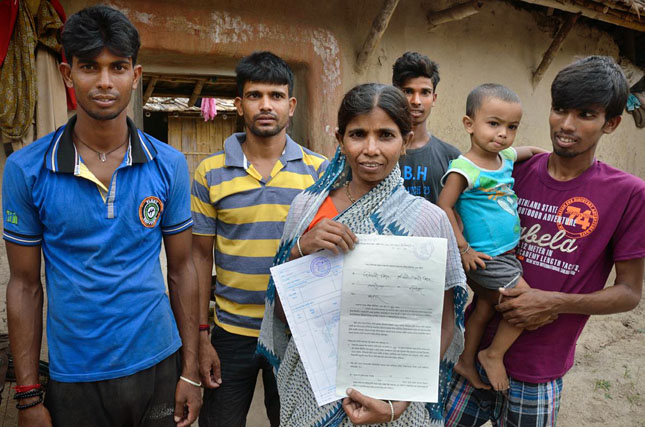
Why Women’s Empowerment Must Start With Land Rights
›Property and citizenship are in many ways what define us, and they interact in fascinating ways.
Showing posts from category Middle East.