-
The Great Anatolia Project: Is Water Management a Panacea or Crisis Multiplier for Turkey’s Kurds?
›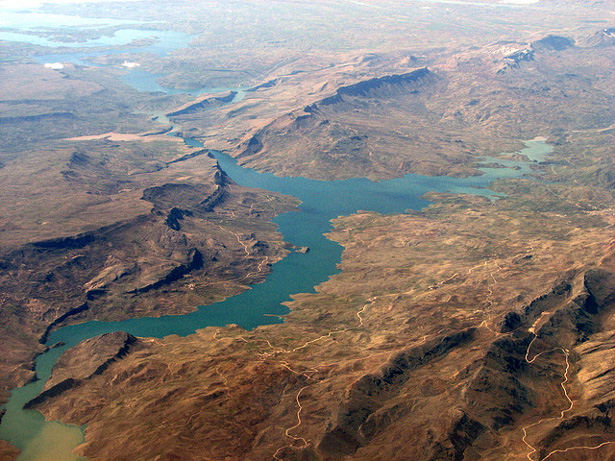
During the Gezi Park protests last month in Istanbul, Turks and Kurds dismissed historical mistrust and banded together against Prime Minister Erdogan’s growing authoritarianism. Some have suggested the newly unifying cause has strengthened momentum for a long-standing solution to Kurdish autonomy and rights in Turkey. Still it may be water that the fate of Kurdish ambitions is most tied to, rather than officials in Ankara or protestors in Istanbul.
-
From Ethiopia to Egypt, Girls’ Education Programs Combat Child Marriage
›
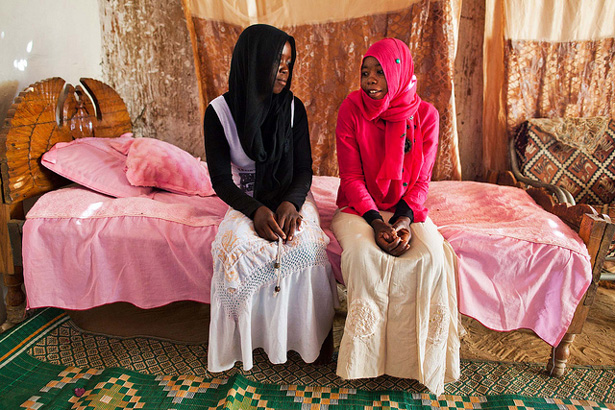
According to the UN Population Fund, more than 140 million girls will become child brides between 2011 and 2020 – an estimated 14.2 million young girls marrying too young every year or 39,000 daily. The majority of these girls do not receive access to education or reproductive health services. [Video Below]
-
Ghaith Abdul-Ahad, The Guardian
The Anarchy of Syria’s Oilfields
›June 27, 2013 // By Wilson Center StaffThe original version of this article, by Ghaith Abdul-Ahad, appeared on The Guardian.
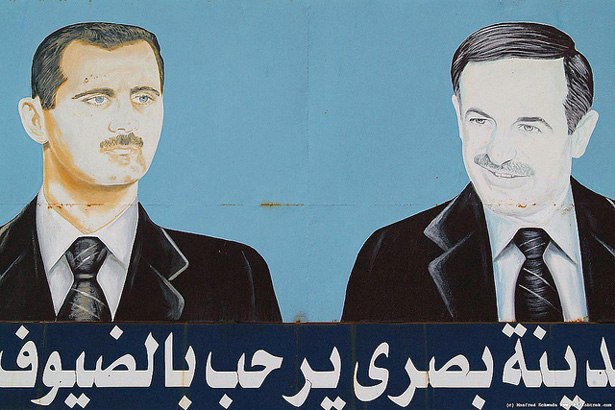
A northern wind had been blowing since early morning, lifting a veil of dust that had blocked the sun and turned the sky the color of ash. Abu Zayed was sitting on the porch of his unfinished concrete home, watching the storm build. He loved sandstorms. They reminded him of Dubai, where he had lived before the war. He admired the people there for turning a desert into a paradise. They had vision, he told his followers.
-
From India to Jordan, Intimate Partner Violence Affects Maternal and Child Health
›Physical, sexual, or psychological harm by a spouse or partner is a major factor in maternal and reproductive health, said Jay Silverman at the Wilson Center last month.
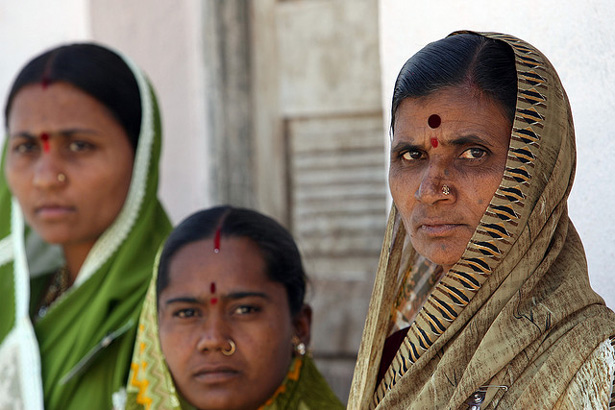
Silverman, a professor of medicine at the University of California, San Diego, cited a 15-country study of both developed and developing countries that found 25 to 75 percent of women have suffered from intimate partner violence at least once. And the effects are very significant, both in terms of the health of mothers and their children. [Video Below]
-
Spring Thaw: What Role Did Climate Change and Natural Resource Scarcity Play in the Arab Spring?
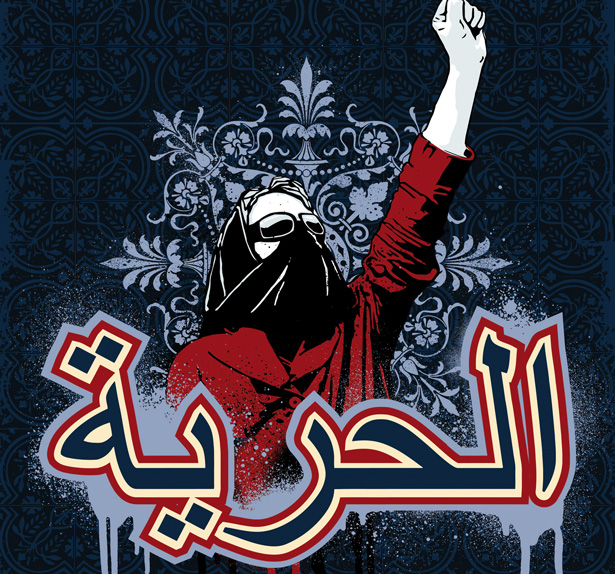
›Several high-profile reports in the last few months have suggested that climate change and natural resource scarcity contributed to the events that have rocked the Middle East and North Africa (MENA) since December 2010. Thomas Friedman is apparently working on a Showtime documentary about the topic. But what exactly was the role of environmental factors in the mass movement?
-
What Rights? New York Times’ Discussion of Egypt’s Population Policy Incomplete
›The New York Times had a front-page story on Egypt’s population policy last week; unfortunately it wasn’t a sterling example of how to report on this tricky issue and left out a key part of the story – the important role of family planning in ensuring human rights, especially for women.
-
Petro-Aggression: When Oil Causes War
›One year ago, the United States government froze all property of the Central Bank of Iran and other Iranian financial institutions within the United States. The move was part of a broader effort to compel the Islamic Republic to give up its alleged nuclear weapons program. How is it working out?
-
Josh Wood, The New York Times
Assad Regime, Rebels, and Kurds Vie for Control of Syria’s Oil
›April 23, 2013 // By Wilson Center StaffThe original version of this article, by Josh Wood, appeared on The New York Times.
Once highly dependent on revenue from petroleum sales, the Syrian government has lost control of many of the country’s major oil fields over the past few months as Kurdish forces and the rebel Free Syrian Army have made significant gains in the east.
Showing posts from category Middle East.