-
The Red Cross’s Peter Maurer on New Challenges for Humanitarian Aid
›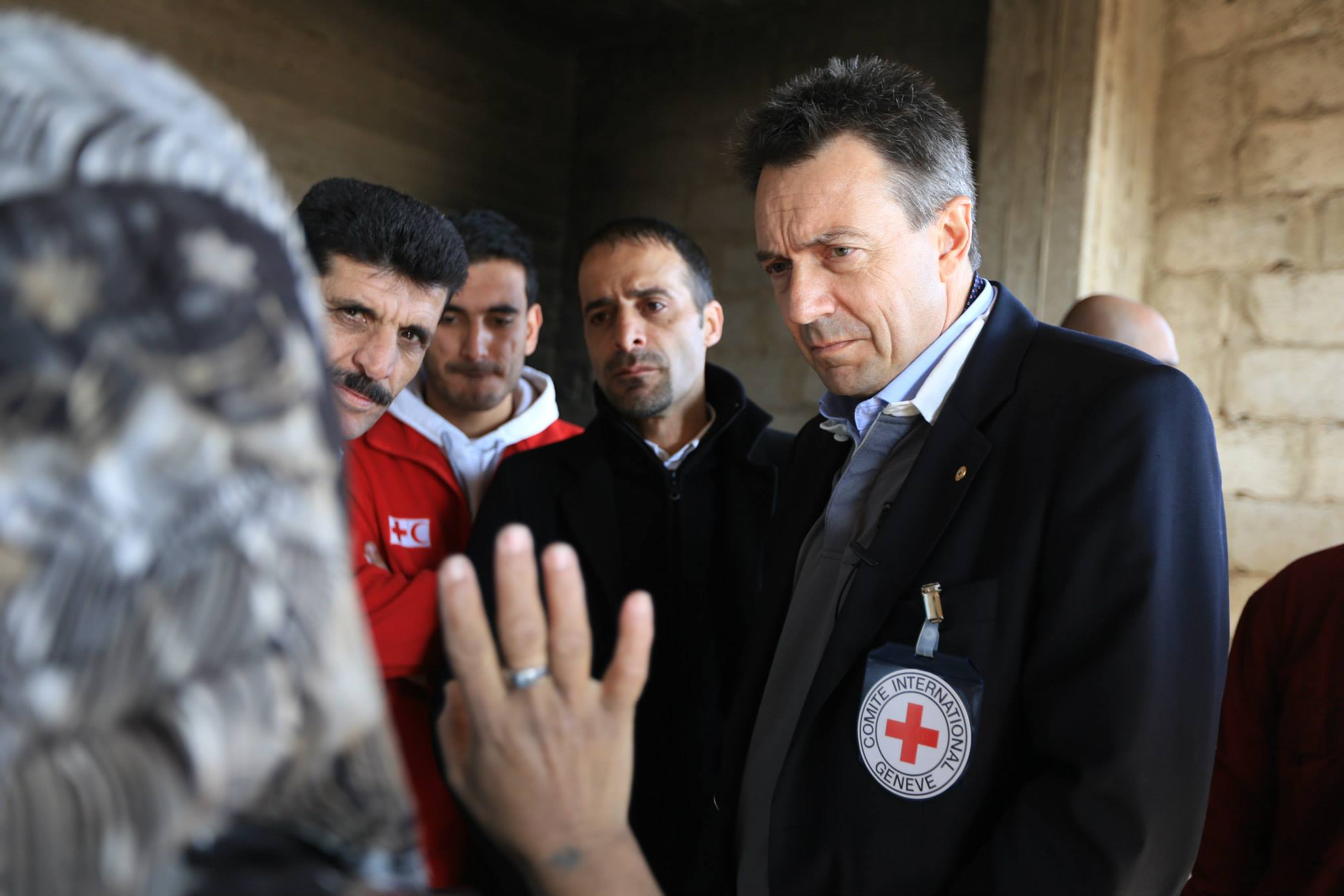
Last year, the International Committee of the Red Cross (ICRC) celebrated 150 years of their mission to “protect the lives and dignity of victims of war and internal violence.” Though this mission hasn’t changed in the past century-and-a-half, the nature of conflict and crisis response has. [Video Below]
-
What Can Demography Tell Us About the Advent of Democracy?
›April 28, 2014 // By Elizabeth Leahy MadsenDemocracy is fickle. Many of the competing theories on the best ways to foment and consolidate plural, inclusive governance or predict its rise and fall focus on political and economic forces. Yet a small group of demographers have explored population age structure as a catalyst for and reflection of a host of changes in societies that can affect governance.
-
Water Wars? Think Again: Conflict Over Freshwater Structural Rather Than Strategic
›The global water wars are almost upon us!
At least that’s how it seems to many. The signs are troubling: Egypt and Ethiopia have recently increased their aggressive posture and rhetoric over the construction of the Great Ethiopian Renaissance Dam in the headwaters of the Blue Nile, Egypt’s major artery since antiquity. India continues to build new dams that are seen by its rival Pakistan as a threat to its “water interests” and thus its national security. Turkey, from its dominant position upstream, has been diverting the Tigris and Euphrates rivers and increasing water stress in the already-volatile states of Iraq and Syria.
-
USAID Launches New Water, Conflict, and Peacebuilding Toolkit
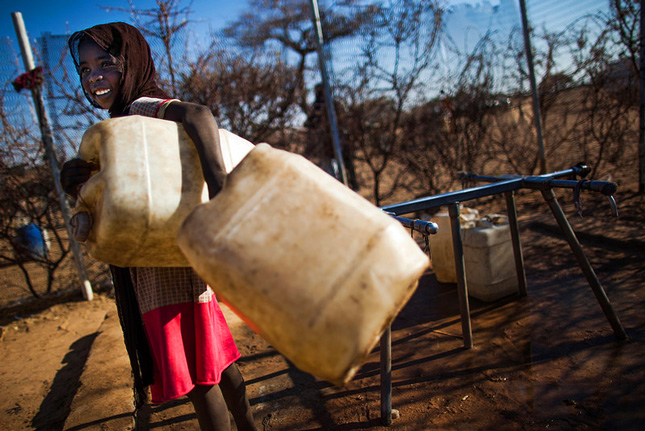
›With almost 800 million people currently lacking access to clean water and two-thirds of the world’s population projected to face conditions of severe water stress by 2025, disputes over water are a growing global concern. But while dwindling water supplies sharpen focus on conflict, long-term peacebuilding opportunities are often overlooked. [Video Below]
-
High Food Prices an Unlikely Cause for the Start of the Arab Spring
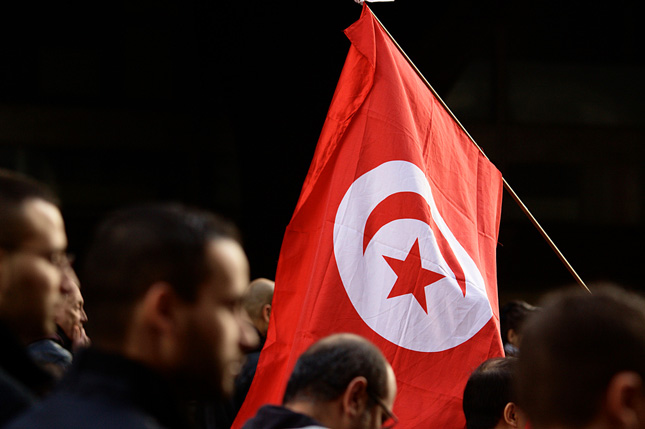
›April 7, 2014 // By Richard CincottaJust months after popular uprisings toppled Tunisia and Egypt’s authoritarian regimes, a trio of complex-system researchers published a brief article linking these demonstrations with high levels of the UN Food and Agriculture Organization’s international Food Price Index. Marco Lagi, Karla Bertrand, and Yaneer Bar-Yam’s model, which predicts outbreaks of deadly social conflict when the index tops 210, has since become a popular explanation wielded by many for bouts of popular unrest, including the Arab Spring and overthrow of Ukraine’s government. But were food prices really an underlying “hidden” cause for the start of a wave of instability that is still being felt today?
-
Measurement Matters: Understanding Water Scarcity in an Increasingly Complex World
›March 21, 2014 // By Kathleen MogelgaardIt was a scorching hot April afternoon in Keur Moussa, a small farming community about 60 kilometers outside Dakar, Senegal. The landscape was mostly barren and very dry, and a fine red dust settled into our clothes as we walked with community leaders to learn about their efforts to cope with a changing environment. In this part of the world, adapting to climate change is figuring out how to manage water: how to survive for long periods without it, and what to do when too much comes at unexpected times.
-
In Quest to Understand Climate Change and Conflict, Avoid Simplification
›As the war in Syria shows no signs of letting up, a recent article in Middle Eastern Studies put forward the hypothesis that the brutal conflict was triggered by government mismanagement of the country’s recent drought, which lasted from 2006 to 2010. It’s a story we’ve heard before.
-
Bouncing Forward: Why “Resilience” Is Important and Needs a Definition
›As policymakers respond to the threat of climate and environmental change, the concept of resilience has found itself at the center of discussion. Few scientists and policymakers, however, can come to a consensus on how to define, evaluate, and build resilience.
Showing posts from category Middle East.