-
Feeding Unrest: A Closer Look at the Relationship Between Food Prices and Sociopolitical Conflict
›
From the Roman poet Juvenal’s observations about bread and circuses to Marie Antoinette’s proclamation, “let them eat cake!” the link between food and political stability is well established in pop culture. In academic and policy circles, however, it’s a source of considerable debate.
-
A Sister Cities Coalition Builds Peace Through Water in the Lower Jordan Valley
›
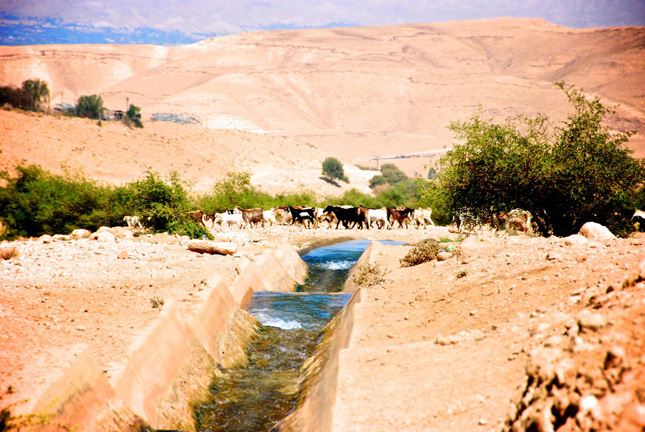
Water is a key ingredient for peace, especially in the Middle East. The Jordan River, which forms the border between Israel, the Palestinian West Bank, and Jordan, is central to the interrelated political and environmental challenges facing the region. Addressing these challenges requires not only high-level diplomacy but also direct, people-to-people engagement, which can form lasting relationships that go beyond water, said experts at the Wilson Center on October 17. [Video Below]
-
Gidon Bromberg on Environmental Peacebuilding in the Lower Jordan Valley
›“When you turn on the tap in any community in Israel, water will always flow. That’s not the case in Palestine, and it’s not always the case in Jordan either,” says Gidon Bromberg, Israeli director of EcoPeace Middle East, in this week’s podcast.
-
Peter Schwartzstein, National Geographic
Amid Terror Attacks, Iraq Faces Water Crisis
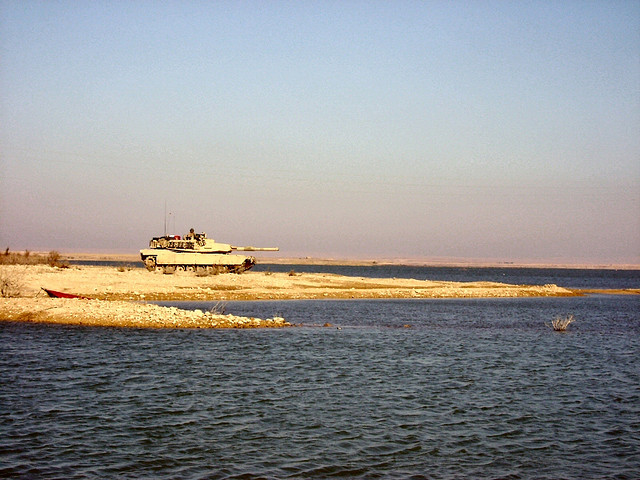
›November 5, 2014 // By Wilson Center StaffViewed from afar, the two-mile-long Mosul Dam is an impressive sight on the flat, sunbaked northern plains.
-
Can We Forecast Where Water Conflicts Are Likely to Occur?
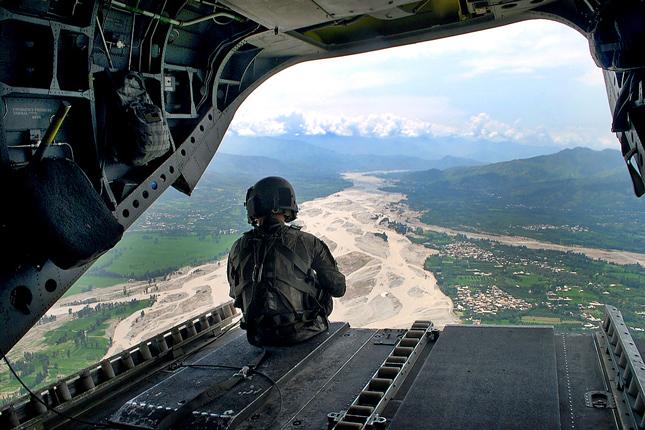
›Many of the world’s freshwater systems reach across national boundaries, and growing demands combined with supply constraints may lead to increased potential for international water conflicts. If that’s the case, which international river basins are most at risk of conflict or, conversely, which are most prone to cooperation? What are the factors that increase or decrease conflict risk?
-
Andrea Ó Súilleabháin, Global Observatory
Overlooked Among 50 Million Displaced Worldwide, Women and Girls Lose Out
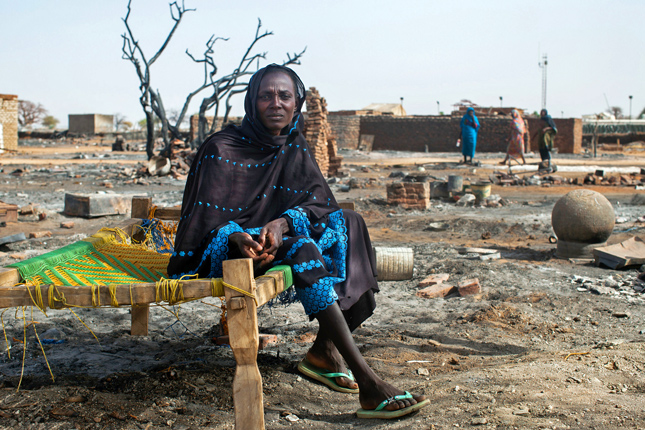
›October 23, 2014 // By Wilson Center StaffMass displacement has become a significant feature of recent conflicts, as the number of people forced to flee their homes has passed 50 million worldwide, a level not seen since World War II. This is one of the reasons why the UN Security Council will focus on women refugees and internally displaced persons (IDPs) during its annual open debate on women, peace, and security on October 28, according to Elizabeth Cafferty, senior advocacy officer at the Women’s Refugee Commission.
-
UK Global Trends Report Forecasts Security Threats in Face of Growth, Climate and Technological Change
›October 22, 2014 // By Heather RandallBy 2045, global population will be north of 9 billion with increased urbanization and migration, natural resource stress, improved medical technologies, greater use of robotic labor, and a shift towards lifelong (and increasingly online) learning, according to a recent report from the UK Ministry of Defense.
-
Haleh Esfandiari, The Wall Street Journal
ISIS’s Cruelty Toward Women Gets Scant Attention
›September 11, 2014 // By Wilson Center StaffTucked away in a recent New York Times story on military operations against ISIS by Iraqi special forces and the Kurdish Peshmerga was a brief description of what these troops discovered when they entered a village in Iraq that had been occupied by ISIS fighters. A naked woman, tied to a tree, who had been repeatedly raped by ISIS fighters. Another woman was discovered in a second village, similarly naked, tied down and repeatedly raped. The fighters, it appears, are “rewarded” by being allowed to have their way with captured women.
Showing posts from category Middle East.