-
“Climate Change Makes the World More Violent”: How One IPCC Author Would Rewrite His Chapter
›With thousands of scientists representing 195 countries working for more than a quarter of a century, the Intergovernmental Panel on Climate Change (IPCC) is the world’s leading authority on of assessing climate change and its potential socio-economic impacts. However, Marc Levy, an IPCC lead author and deputy director of Columbia University’s Center for International Earth Science Information Network, says he’d have gone further in connecting climate change to conflict in their latest report if it were up to him.
-
Codi Yeager-Kozacek, Circle of Blue
Middle East Conflicts Jeopardize Water for Millions
›June 15, 2015 // By Wilson Center StaffMillions of people across the Middle East face drought, scarce drinking water supplies, and poor sanitation due to civil wars and conflict. Meanwhile, resource constraints and foreign military interventions risk more severe humanitarian disasters.
-
Adaptation, Resistance, or Subversion: How Will Water Politics Be Affected by Climate Change?
›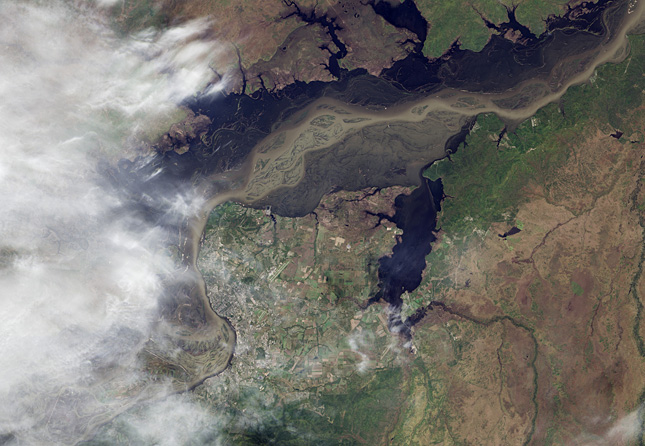
One of the primary ways climate change is expected to affect international relations is through water. There are more than 270 bodies of water that cross over international boundaries, and various methodologies have identified several dozen that are particularly at risk for tension or conflict. So how is climate change affecting transboundary water politics? Are governments and institutions taking the threat seriously? A few years back, a group of researchers decided to focus on this question.
-
What Paul Ehrlich Missed (and Still Does): The Population Challenge Is About Rights
›In 1968, Stanford University biologist Paul Ehrlich predicted hundreds of millions would starve to death over the next decade, many of them Americans, and the world would generally decline into chaos in his book The Population Bomb.
-
Obama Highlights Long-Term Climate Security Threats, Releases Review of Federal Resources
›May 20, 2015 // By Schuyler Null
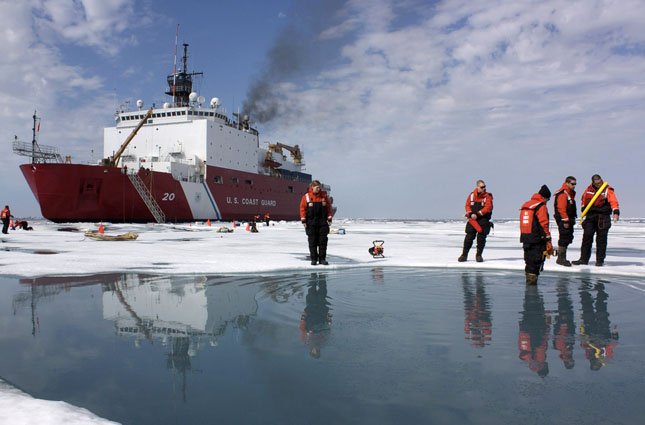
In a commencement speech at the U.S. Coast Guard Academy today, President Obama said “climate change constitutes a serious threat to global security, an immediate risk to our national security, and, make no mistake, it will impact how our military defends our country.”
-
Will Tunisia’s Democracy Survive? A View from Political Demography
›May 12, 2015 // By Richard CincottaAmong the few bright spots in the 2015 Freedom in the World Report, the brightest may be Tunisia, which for the first time was assessed as “free” – Freedom House’s highest “freedom status” and for many political scientists the definitive indication of a liberal democracy. Tunisia is the only North African state to have been assessed as free since Freedom House began its worldwide assessment of political rights and civil liberties in 1972, and only the second Arab-majority state since Lebanon was rated free from 1974 to 1976.
-
What’s in a Name? States of Fragility and Adjusting Aid to Conflict Zones
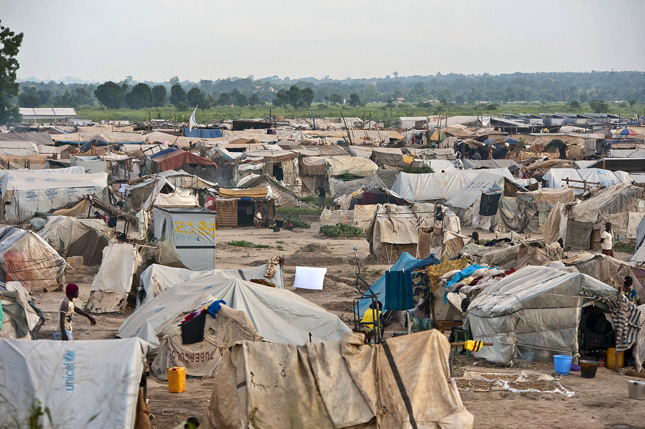
›April 13, 2015 // By Lauren Herzer RisiDepending on how closely you pay attention to the OECD, you may have picked up on a subtle but meaningful change in this year’s States of Fragility report. Whereas previous reports were titled Fragile States, the Organization for Economic Cooperation and Development has shifted its framing to focus less on states and more on conditions, less on the binary status of a “fragile state” and more on fragility as a universal condition that can impede development in all countries.
-
Jack A. Goldstone, CNN
Yemen’s Collapse a Result of Systematic Failures, U.S. Neglect
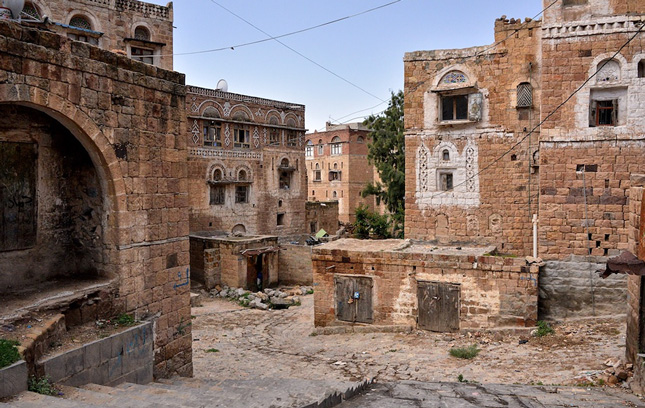
›April 2, 2015 // By Wilson Center StaffIt shouldn’t come as a surprise that Yemen has collapsed – again. A country that has split and been pulled together before, has the youngest and fastest growing population in the region, is running low on oil and water, and possesses a “personalist” government rather than stable institutions, was on the top of every expert’s list as the fragile state most likely to fail next.
Showing posts from category Middle East.