-
How Successful Were the Millennium Development Goals? A Final Report
›July 28, 2015 // By Josh Feng
Earlier this month, the United Nations released a final report on the Millennium Development Goals (MDGs), the framework that has guided global development efforts for the last 15 years. The document examines each of the eight MDGs and finds that “despite many successes, the poorest and most vulnerable people are being left behind.” As one of the first global poverty reduction movements nears its end, the report calls for better data collection practices to create a post-2015 development agenda that can overcome the MDG’s shortcomings.
-
The Hillary Doctrine: Sex and American Foreign Policy (Book Launch)
›
When Valerie Hudson evaluates the strength of a nation, whether food security, wealth, peacefulness, or quality of governance, she finds one important thread that underlies it all. “One of the most important factors in the determination of these things is in fact the situation, and security, and status of women,” said Hudson at the Wilson Center on June 24. [Video Below]
-
Peter Schwartzstein, National Geographic
After Spark of Hope, Iraq’s Marshes Are Again Disappearing
›July 13, 2015 // By Wilson Center StaffAs Saddam Hussein drained Iraq’s famed marshes to punish the rebellious tribesmen who lived in them, Amjad Mohamed packed his few possessions, grabbed his fishing rod, and fled south to Basra with his extended family.
-
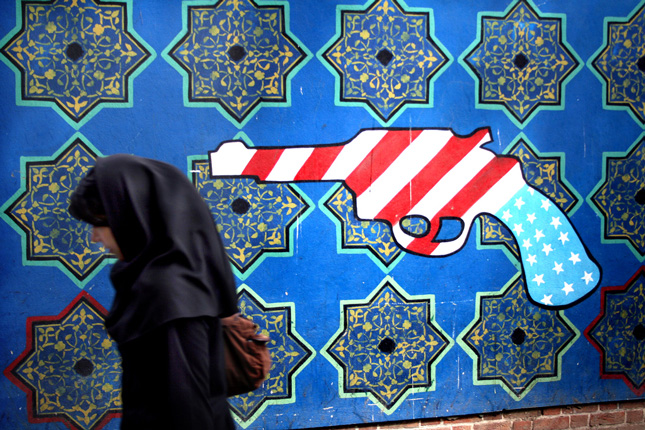
A Nuclear Deal Could Help Iran Harness a Youthful Labor Force
›Iran is poised to reap a vast “demographic dividend” if the appropriate national and international policies are adopted, including a nuclear deal with the P5+1 (five permanent members of the UN Security Council, plus Germany).
-
De Souza: In Era of Man, Demography Needs to be Part of Environmental Security Discussion
›A new article from the Wilson Center’s own Roger-Mark De Souza explores how population trends can bolster community resilience in the face of climate change and other security threats. De Souza argues that demographic trends such as age structure help determine how well a population is able to respond to and bounce back from shocks, especially environmental ones like drought and famine.
-
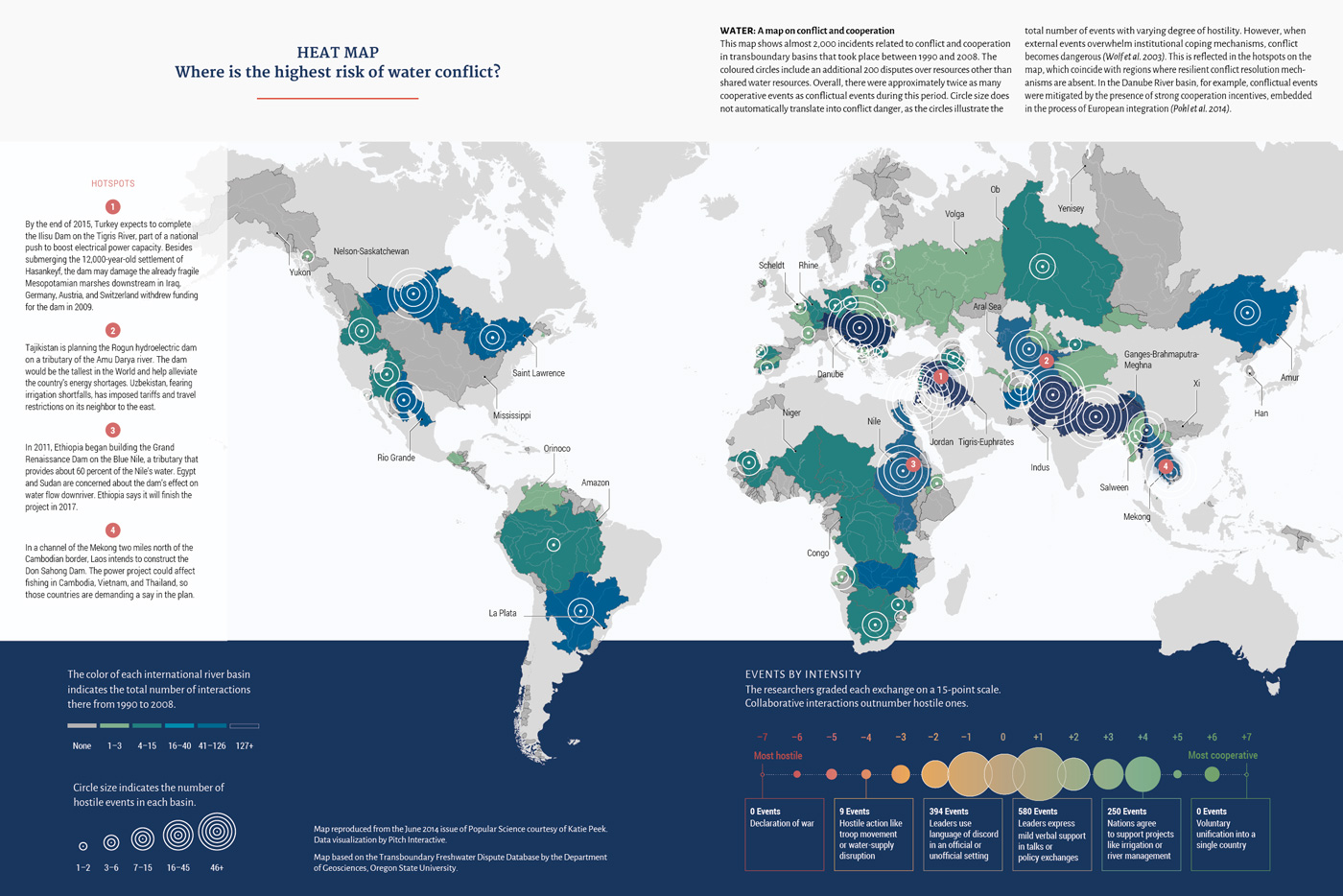
The World’s Most Hostile International Water Basins [Infographic]
›At the launch of A New Climate for Peace, a new report on climate-fragility risks produced for the G7 by a consortium of international partners including the Wilson Center, USAID Deputy Assistant Administrator Christian Holmes called water a common denominator for climate risk.
-
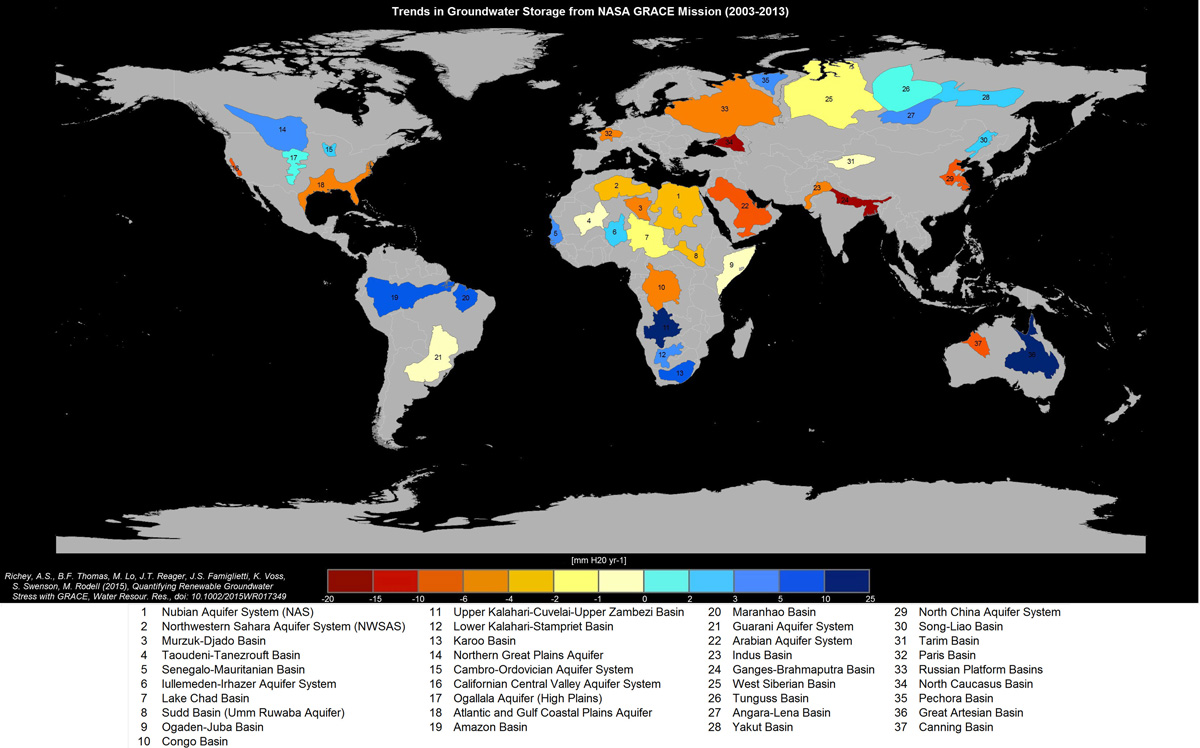
NASA Data Reveals Most Major Aquifers Depleting Faster Than They Recharge
›Researchers have been warning about future water scarcity for decades, but new data reveals a majority of the world’s largest aquifers are already running out of water.
-
How to Create a New Climate for Peace: Preventing Climate Change From Exacerbating Conflict and Fragility
›June 19, 2015 // By Lauren Herzer RisiWhen the leaders of the G7 countries – Canada, France, Germany, Italy, Japan, the United Kingdom, and the United States – met earlier this month, they agreed to make fossil fuels a thing of the past by 2100. At the same time the G7 is also taking steps to make climate change’s connection to conflict a priority in the present.
Showing posts from category Middle East.