-
Military Leaders: Climate Change, Energy, National Security Are Inextricably Linked
›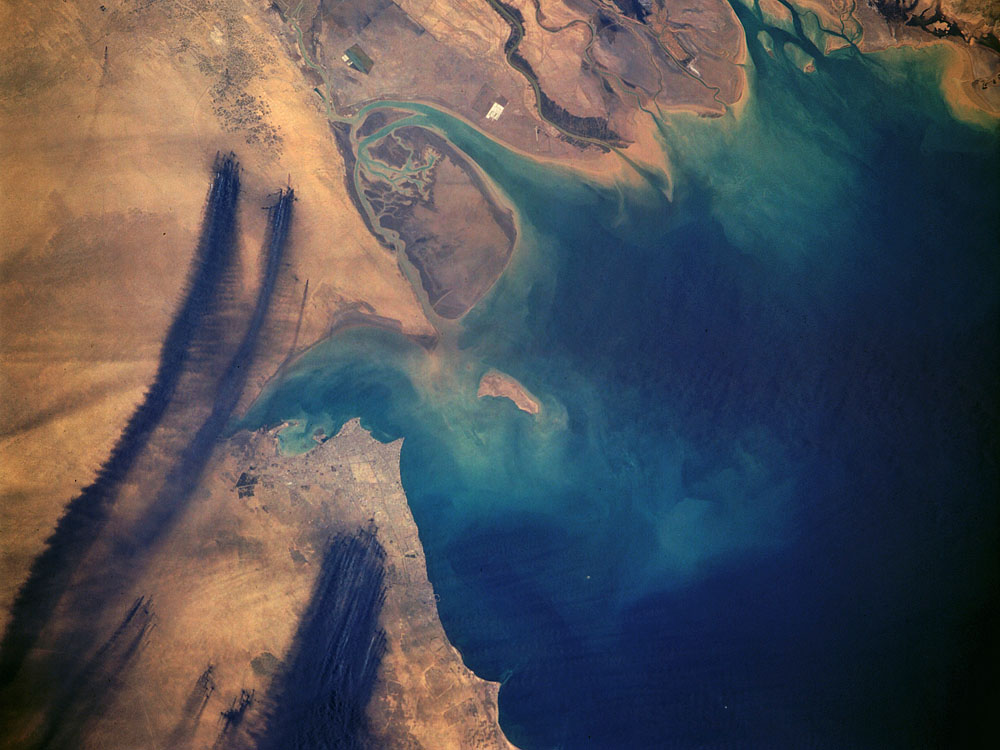
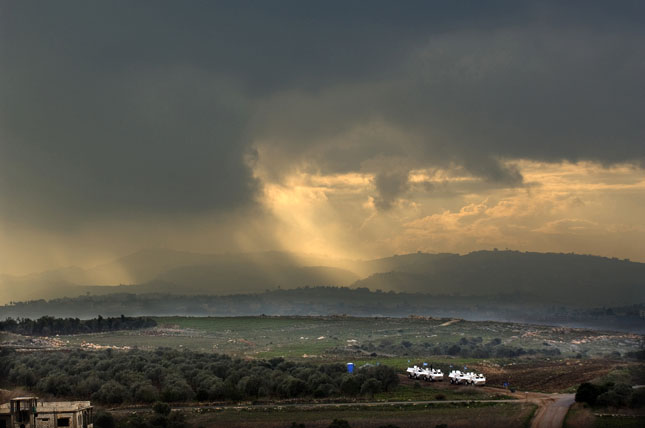
In the midst of a minefield on day two of Desert Storm Task Force Ripper, Marine Corps Operations Officer Richard Zilmer stepped out of his armored personnel carrier, squinted up at the sky, and saw nothing but black from horizon to horizon. Iraqi forces, trying desperately to blunt the attack of coalition armies, had set fire to hundreds of Kuwaiti oil wells and oil-filled trenches.
-
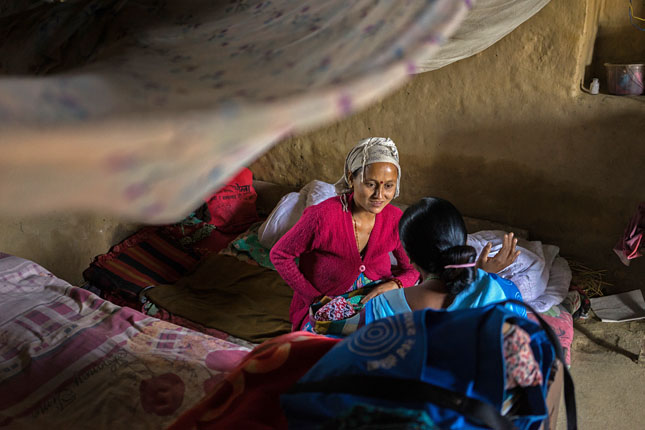
A Little Bit of Sugar Helps the Pill Go Down: Resilience, Peace, and Family Planning
›October 26, 2015 // By Roger-Mark De Souza
A recent article by Malcolm Potts, Aafreen Mahmood, and Alisha Graves of the University of California Berkeley’s OASIS Initiative notes that family planning has an important role to play in building peace by increasing women’s empowerment and their agency. “The pill is mightier than the sword,” as they put it.
-
Climate Data Can be Critical in Fragile and Conflict-Affected States – Here’s How to Get It
›October 5, 2015 // By Schuyler NullWhen war breaks out, what happens to the weather forecast? Violent conflict disrupts many essential services in developing countries and one of the most overlooked is meteorology, which has surprisingly big consequences for farmers, policymakers, and the aid workers who are there to help.
-
Scenario Planning for Development: It’s About Time
›Scenario planning has a long history. The RAND Corporation employed it heavily in planning for potential U.S. responses to nuclear war and 16th century Spanish Jesuit theologians pointed to the idea as proof of free will. But in many respects this powerful set of methodological tools for managing complexity and uncertainty remains underused, especially beyond the defense, intelligence, and business communities.
-
From Gaza to the Euphrates, Alarm Bells for Mideast Water Resources
›The board of the United Nations’ lead organization on trade and development, called UNCTAD, released an assessment of Gaza’s development challenges during their annual meeting in Geneva this month and the news is not good. In 2012, the UN warned that a “herculean” development effort would be to keep pace with Gaza’s rapid population growth. Since then, more fighting with Israel has made things worse, particularly with regard to water and food security. Ninety-five percent of the water from Gaza’s coastal aquifer is unsafe for drinking without treatment, the report says. Contamination and over-extraction may even render it unusable by next year and damage may be irreversible if not addressed in the next five years. -
Red Cross: Water Continues to Be Used as Weapon of War in Syria
›Water is being used as a weapon of war on one of Syria’s deadliest battlegrounds, says the International Committee of the Red Cross (ICRC) and its local affiliate, the Syrian Arab Crescent, in a new video.
-
Engaging Decision-makers on Family Planning: Some Right IDEAs
›Just a few years ago, progress on global family planning and reproductive health policy seemed to be stuck in a rut. “For 20 years, development money for health had been directed to fight HIV and poverty, and as a result, momentum, interest, and funding for family planning had dwindled,” said Susan Rich, vice president of global partnerships for the Population Reference Bureau (PRB), at the Wilson Center on July 15. “Unmet need for family planning was high all over the world, but especially in Africa.” [Video Below]
-
Running Faster to Stand Still: New UN Population Projections Point to Challenges Ahead for SDGs
›July 29, 2015 // By Schuyler NullIn most parts of the world, population growth is stagnant, even declining slightly, part of a decades-long and nearly universal shift towards smaller, healthier families. But the places where growth is still rapid continue to defy expectations about when they will “catch up.”
Showing posts from category Middle East.