-
Venezuela’s Turn? Age Structure and Liberal Democracy in South America
›January 21, 2016 // By Richard CincottaVenezuela seems suspended at a critical juncture. Following national elections in December, the opposition Democratic Unity Roundtable was set to occupy two thirds of the 167-seat National Assembly, an upset that would reduce the late Hugo Chávez’s United Socialist Party to a distant second place for the first time and given opposition legislators the power to enact sweeping political changes.
-
Fire and Oil: The Collateral Environmental Damage of Airstrikes on ISIS Oil Facilities
›As the United States, Russia, and others step up attacks on the self-proclaimed Islamic State in Iraq and Syria (ISIS), there is concern over their direct and long-term environmental and public health impacts. Many air strikes have targeted lucrative oil installations under the control of ISIS, and these could have severe detrimental effects for Syria’s future, both environmentally and socio-economically. Questions around the effectiveness of these strikes, both from a military and political perspective, seem to be missing in the wider debate.
-
Empower, Educate, and Employ Youth to Realize the Demographic Dividend
›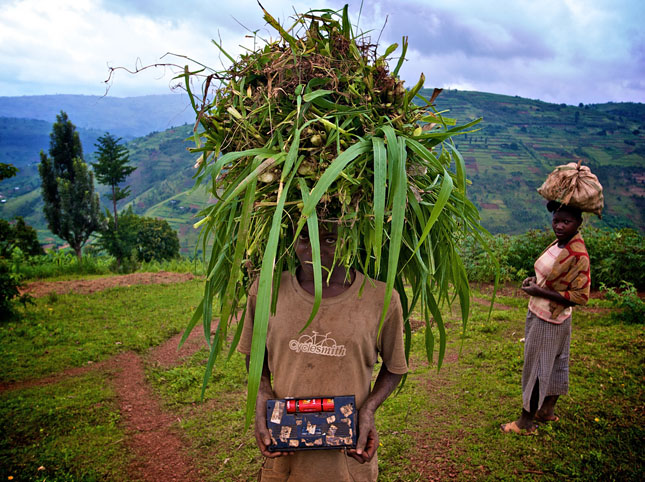
In the course of development, most countries undergo a demographic transition. Health conditions improve and mortality rates decline, causing rapid population growth and a relatively high proportion of young people. Over time, if fertility declines, as it has in most places, growth slows and there is a period when the proportion of very young “dependents” shrinks in comparison to the working age population. This moment represents an opportunity for a “demographic dividend” – an economic boom as a comparatively large cohort of the total population moves through their most economically productive years. [Video Below]
-
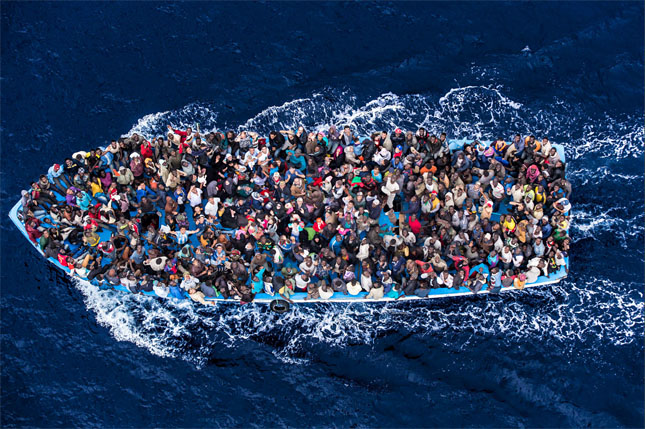
After Paris, What’s the Status of “Environmental Refugees?”
›
One of the hidden costs of climate change is the displacement of millions of people in some of the poorest regions of the globe. The existing international refugee regime is ill-suited to cope with those seeking refuge from environmental disasters. Countries must get serious about developing coordinated plans to address the issue, lest they be caught by surprise when another humanitarian crisis hits.
-
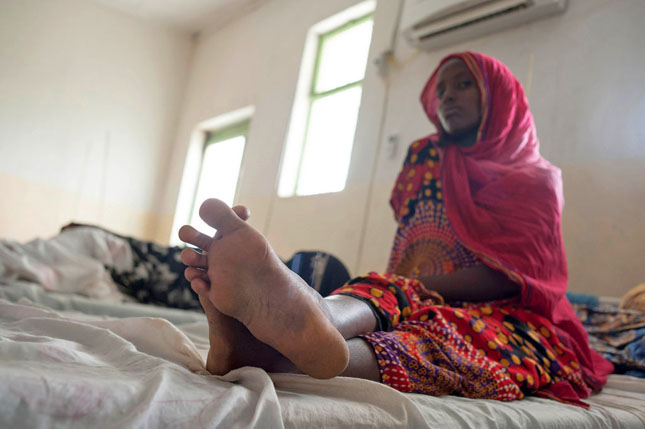
In Fight to Stop the Spread of Female Genital Mutilation, Midwives Are Crucial
›Aissata M.B. Camara grew up in an educated, upper income household in Guinea, West Africa. One morning, she woke up to singing outside her window and knew they were coming. Many in her community thought that she was unclean and would grow up to be promiscuous if she wasn’t cut. She would be unmarriageable. While her family and community members held her down, she realized, “my body no longer belonged to me.” [Video Below]
-
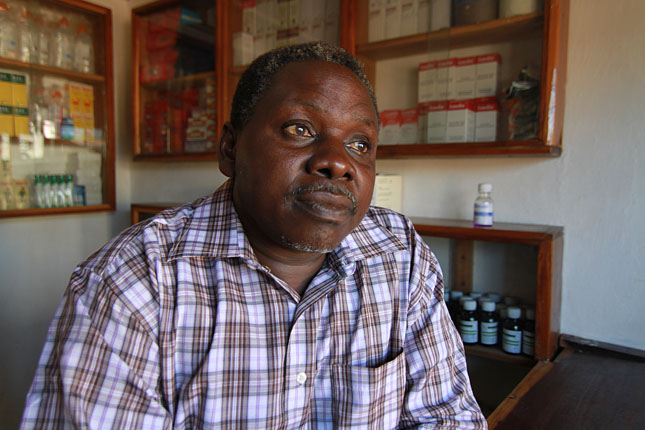
Rethinking Business As Usual: Leveraging the Private Sector to Strengthen Maternal Health
›In 2013, nearly 300,000 women died during pregnancy and childbirth. The majority of those deaths were in developing countries and entirely preventable. 500 dollar loan. Much of the effort towards reducing this number has been focused on what governments should do differently, but the private sector plays just as important a role as the public sector, said a panel of experts at the Wilson Center on September 17. [Video Below] -
The ECC Factbook Illustrates How the Environment Can Contribute to Peace and Conflict
›In his speech on climate change and national security on November 10, Secretary of State John Kerry said climate change is already a “threat multiplier,” and that worse is to be expected if climate change continues unchecked. But the relationship between the environment and violent conflict is complex and often indirect. Researchers have been wrangling for years over the role that global environmental change plays in fueling conflict and state fragility.
-
Priyali Sur, Foreign Policy
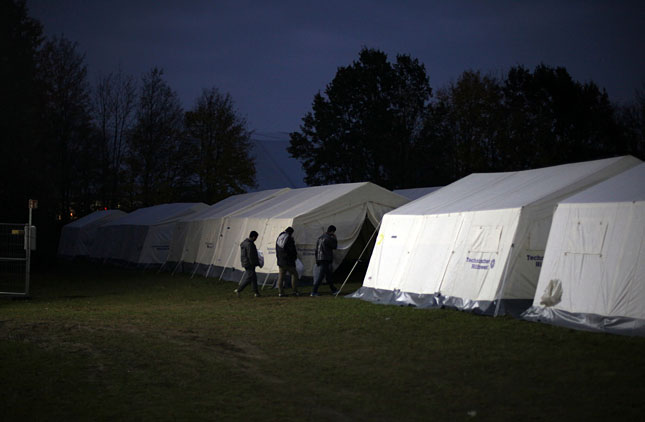
South Asian Environmental Migrants Pushed to Back of Line in Refugee Flood
›November 26, 2015 // By Wilson Center StaffThe dark eyes and hair of the Pakistanis, Bangladeshis, and Afghans almost blend with the other migrants’. The brown skin tones are also not giveaways, but ask them where they come from, and you notice the hesitation – trying hard to blend into the crowd of Syrian migrants at Europe’s border crossings, afraid of being spotted and sent back.
Showing posts from category Middle East.