• woodrow wilson center
  • ecsp

New Security Beat

Subscribe:
  • rss
  • mail-to
  • Who We Are
  • Topics
    • Population
    • Environment
    • Security
    • Health
    • Development
  • Columns
    • China Environment Forum
    • Choke Point
    • Dot-Mom
    • Friday Podcasts
    • Navigating the Poles
    • Reading Radar
  • Multimedia
    • Water Stories (Podcast Series)
    • Backdraft (Podcast Series)
    • Tracking the Energy Titans (Interactive)
  • Films
    • Water, Conflict, and Peacebuilding (Animated Short)
    • Paving the Way (Ethiopia)
    • Broken Landscape (India)
    • Scaling the Mountain (Nepal)
    • Healthy People, Healthy Environment (Tanzania)
  • Publications
  • Events
  • Contact Us

NewSecurityBeat

The blog of the Wilson Center's Environmental Change and Security Program
Showing posts from category Latin America.
  • What’s in a Name? States of Fragility and Adjusting Aid to Conflict Zones

    ›
    April 13, 2015  //  By Lauren Herzer Risi
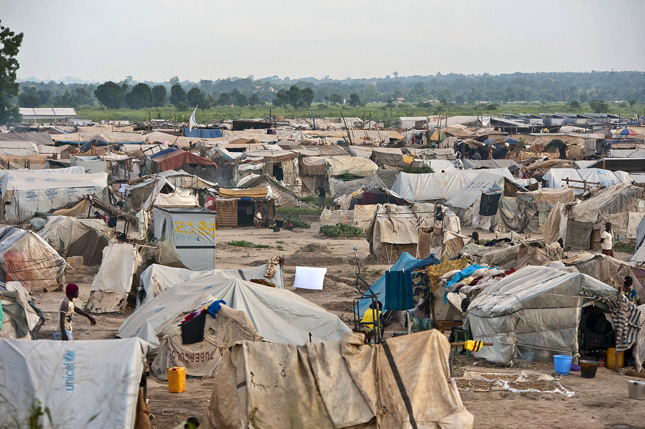
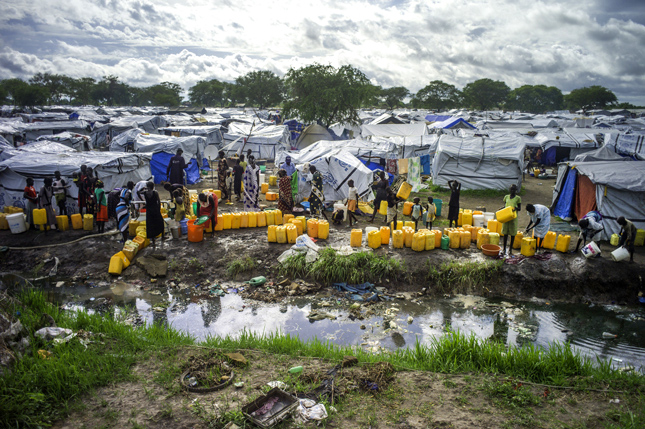
    mpoko camp

    Depending on how closely you pay attention to the OECD, you may have picked up on a subtle but meaningful change in this year’s States of Fragility report. Whereas previous reports were titled Fragile States, the Organization for Economic Cooperation and Development has shifted its framing to focus less on states and more on conditions, less on the binary status of a “fragile state” and more on fragility as a universal condition that can impede development in all countries.

    MORE
  • Interview With Michael Brown, UN Senior Mediation Expert in Natural Resources and Land Conflicts

    ›
    April 8, 2015  //  By Linnea Bennett
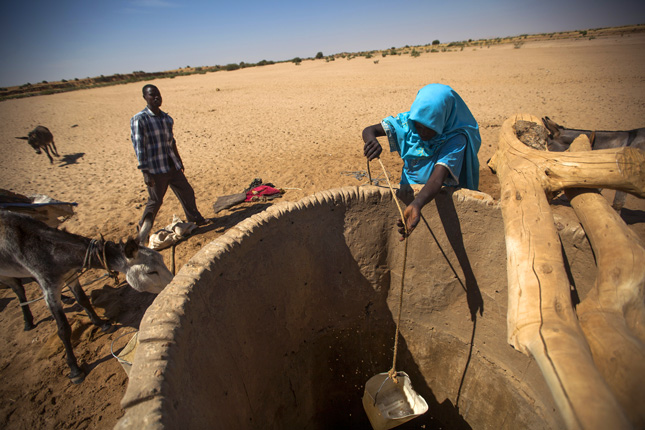
    Darfur_well

    Natural resources rarely feature during peacebuilding efforts, but there is growing evidence that’s a mistake. Unresolved natural resource management issues can make peace more fragile, while addressing them can act as a bridge toward cooperation.

    MORE
  • Lisa Palmer, Yale Environment 360

    Colombian Farmers Adjust to Changing Conditions With “Climate-Smart” Agriculture

    ›
    February 10, 2015  //  By Wilson Center Staff
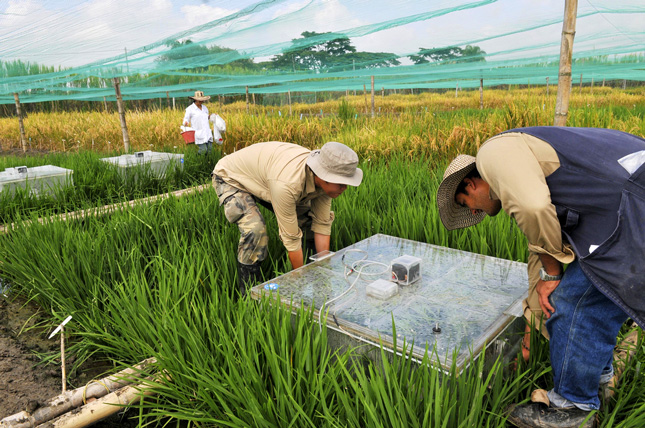
    CIAT_Colombia

    The original version of this article, by Lisa Palmer, appeared on Yale Environment 360.

    Rice is a thirsty crop. Yet for the past three years, Alberto Mejia has been trying to reduce the amount of water he uses for irrigation on his 1,100-acre farm near Ibague in the tropical, central range of the Colombian Andes.

    MORE
  • Clean Cookstoves Provide Health, Environmental, and Socioeconomic Benefits, So Why Aren’t They Being Adopted?

    ›
    Guest Contributor  //  December 29, 2014  //  By Tim Molnar
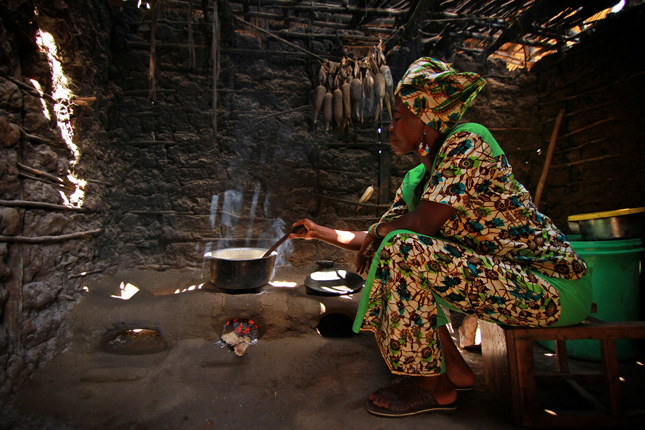
    Rukia2

    To stop and perhaps one day reverse climate change requires changes big and small. Despite the thousands of power plants burning coal and other fossil fuels today, nearly 3 billion people still depend on solid fuels, such as wood, dung, and crop residues, for their daily energy needs.

    MORE
  • Lisa Palmer, Future Food 2050

    Greener Pastures for Cattle Ranching

    ›
    November 26, 2014  //  By Wilson Center Staff
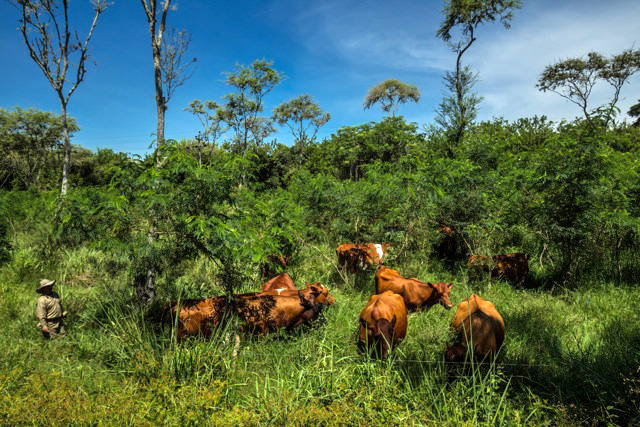
    colombia-pasture1

    The original version of this article, by Lisa Palmer, appeared on Future Food 2050.

    Imagine an overgrown perennial garden. Impenetrable, shrubby bushes knit themselves together in long rows. Grasses reach chest high. Native hardwood trees hog the perimeter.

    MORE
  • Opportunity Costs: Evidence Suggests Variability, Not Scarcity, Primary Driver of Water Conflict

    ›
    Guest Contributor  //  September 2, 2014  //  By Cullen Hendrix
    juba_water_point

    Nearly 1 billion people lack reliable access to clean drinking water today. A report by the Water Resources Group projects that by 2030 annual global freshwater needs will reach 6.9 trillion cubic meters – 64 percent more than the existing accessible, reliable, and sustainable supply. This forecast, while alarming, likely understates the magnitude of tomorrow’s water challenge, as it does not account for the impacts of climate change.

    MORE
  • Jacob Glass, PassBlue

    New Investment Law in Peru Undermines Rights of Indigenous Women

    ›
    August 22, 2014  //  By Wilson Center Staff
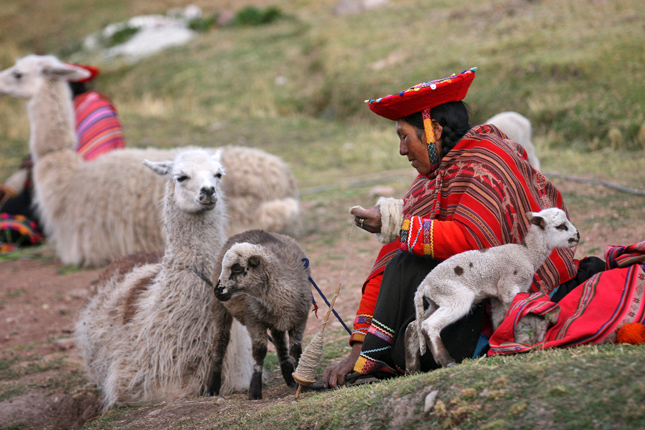
    peruvian-woman

    The original version of this article, by Jacob Glass, appeared on PassBlue.

    A new law in Peru encouraging investment in the country’s extractive industries has reignited debate on the lack of power indigenous women have in the mostly rural societies where they often live. The International Indigenous Women’s Forum, which drew more than 60 native women from across the world to Peru last month, highlighted this important issue.

    MORE
  • Book Review: ‘Oil Sparks in the Amazon: Local Conflicts, Indigenous Populations, and Natural Resources’

    ›
    August 18, 2014  //  By Roger-Mark De Souza
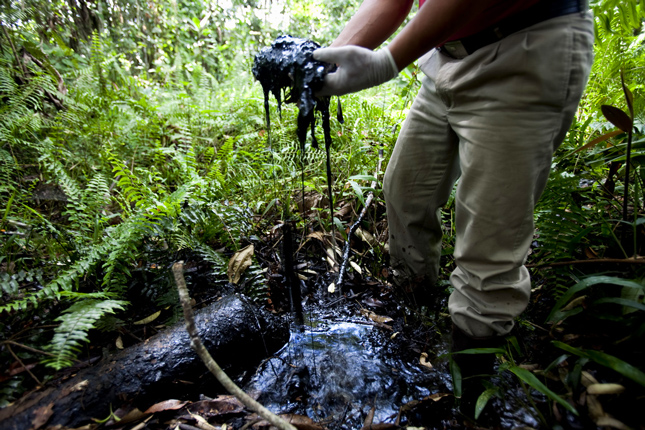
    amazon_oil

    The original version of this article appeared on Americas Quarterly.

    Since the early 1990s, the rising price of crude oil and other key natural resources – and the resulting drive by governments and private companies to extract those resources – has led to sharp conflicts in Latin America. At the core of these disputes is the clash between national economic interest and the rights of indigenous people inhabiting the land where most natural resources are located.

    MORE
Newer Posts   Older Posts
View full site

Join the Conversation

  • RSS
  • subscribe
  • facebook
  • G+
  • twitter
  • iTunes
  • podomatic
  • youtube
Tweets by NewSecurityBeat

Trending Stories

  • unfccclogo1
  • Pop at COP: Population and Family Planning at the UN Climate Negotiations

Featured Media

Backdraft Podcast

play Backdraft
Podcasts

More »

What You're Saying

  • Volunteers,At,The,Lagos,Food,Bank,Initiative,Outreach,To,Ikotun, Pan-African Response to COVID-19: New Forms of Environmental Peacebuilding Emerge
    Rashida Salifu: Great piece 👍🏾 Africa as a continent has suffered this unfortunate pandemic.But it has also...
  • A desert road near Kuqa An Unholy Trinity: Xinjiang’s Unhealthy Relationship With Coal, Water, and the Quest for Development
    Ismail: It is more historically accurate to refer to Xinjiang as East Turkistan.
  • shutterstock_1779654803 Leverage COVID-19 Data Collection Networks for Environmental Peacebuilding
    Carsten Pran: Thanks for reading! It will be interesting to see how society adapts to droves of new information in...

What We’re Reading

  • Rising rates of food instability in Latin America threaten women and Venezuelan migrants
  • Treetop sensors help Indonesia eavesdrop on forests to cut logging
  • 'Seat at the table': Women's land rights seen as key to climate fight
  • A Surprise in Africa: Air Pollution Falls as Economies Rise
  • Himalayan glacier disaster highlights climate change risks
More »
  • woodrow
  • ecsp
  • RSS Feed
  • YouTube
  • Twitter
  • Facebook
  • Home
  • Who We Are
  • Publications
  • Events
  • Wilson Center
  • Contact Us
  • Print Friendly Page

© Copyright 2007-2021. Environmental Change and Security Program.

Woodrow Wilson International Center for Scholars. All rights reserved.

Developed by Vico Rock Media

Environmental Change and Security Program

Woodrow Wilson International Center for Scholars

Ronald Reagan Building and International Trade Center

  • One Woodrow Wilson Plaza
  • 1300 Pennsylvania Ave., NW
  • Washington, DC 20004-3027

T 202-691-4000