-
The Hillary Doctrine: Sex and American Foreign Policy (Book Launch)
›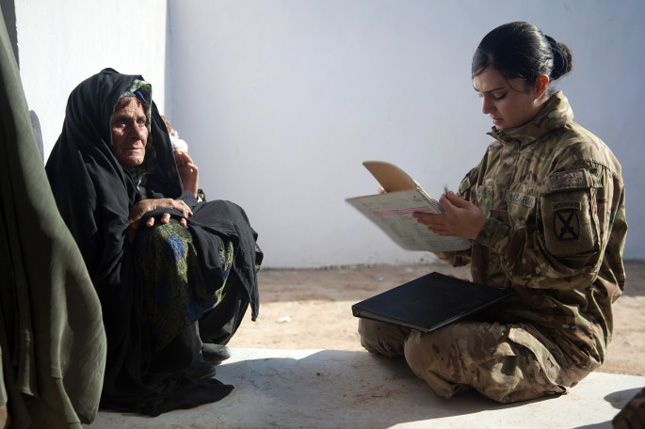
When Valerie Hudson evaluates the strength of a nation, whether food security, wealth, peacefulness, or quality of governance, she finds one important thread that underlies it all. “One of the most important factors in the determination of these things is in fact the situation, and security, and status of women,” said Hudson at the Wilson Center on June 24. [Video Below]
-
50 Years of Family Planning at USAID: Successes, Political Challenges, and Future Directions
›
Since President Lyndon B. Johnson created the USAID population program in 1965, it has evolved in tandem with the global discourse on population and demography. “The agency’s family planning program is as relevant today as it ever was, and is necessary,” said Jennifer Adams, deputy assistant administrator of the U.S. Agency of International Development’s Bureau for Global Health. The bureau houses the Office of Population and Reproductive Health, which implements U.S. development and relief efforts to expand access to modern contraceptives, fight HIV/AIDS, reduce unsafe abortions, and protect the health of women and children. [Video Below]
-
Soil Security and Incorporating Forestry Into Food Security Strategies
›Earth’s thin upper-crust of soil is kept in balance by a complex carbon and nutrient cycle that is increasingly threatened by human exploitation and climate change, according to a review in Science. The chemicals trapped in topsoil and subsoil are crucial to plant growth, but are being depleted at rates much higher than they are being replenished, writes Ronald Amundson et al. For instance in the central United States, estimated soil erosion rates exceed production rates by 10 times. -
Adapting to Global Change: Climate Displacement, Mega-Disasters, and the Next Generation of Leaders
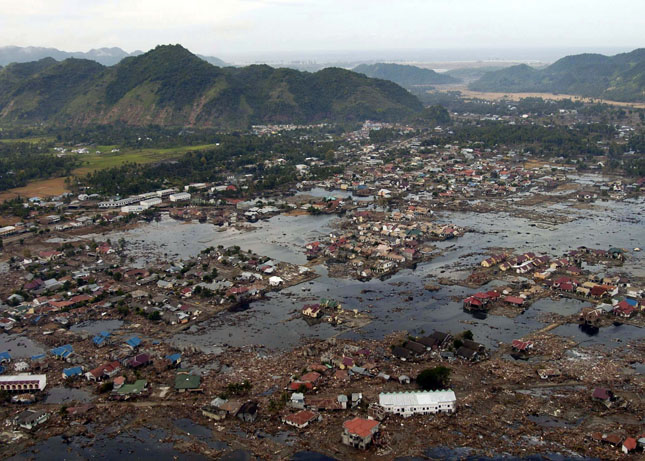
›The world is more connected than ever before, but also more complex. Big, transnational trends like climate change, urbanization, and migration are changing the calculus of geopolitics, while local-level inequalities persist. “[Change] seems to be spinning around us so fast,” said John Hempelmann, president of the Henry M. Jackson Foundation, which honors the legacy of the late senator from Washington State. How can today’s and tomorrow’s leaders adjust to global trends? [Video Below]
-
Do Population, Health, and Environment Projects Work? A Review of the Evidence
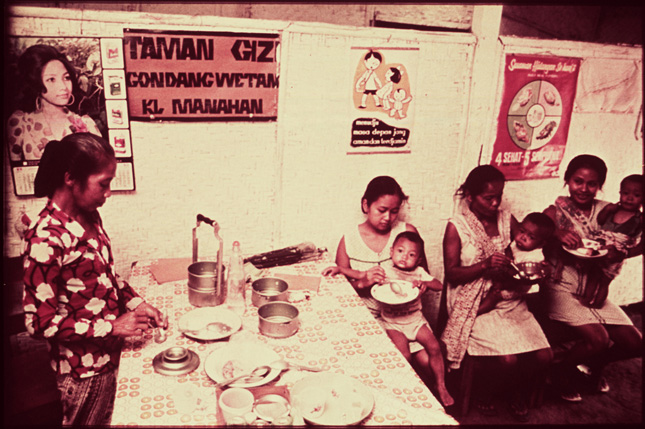
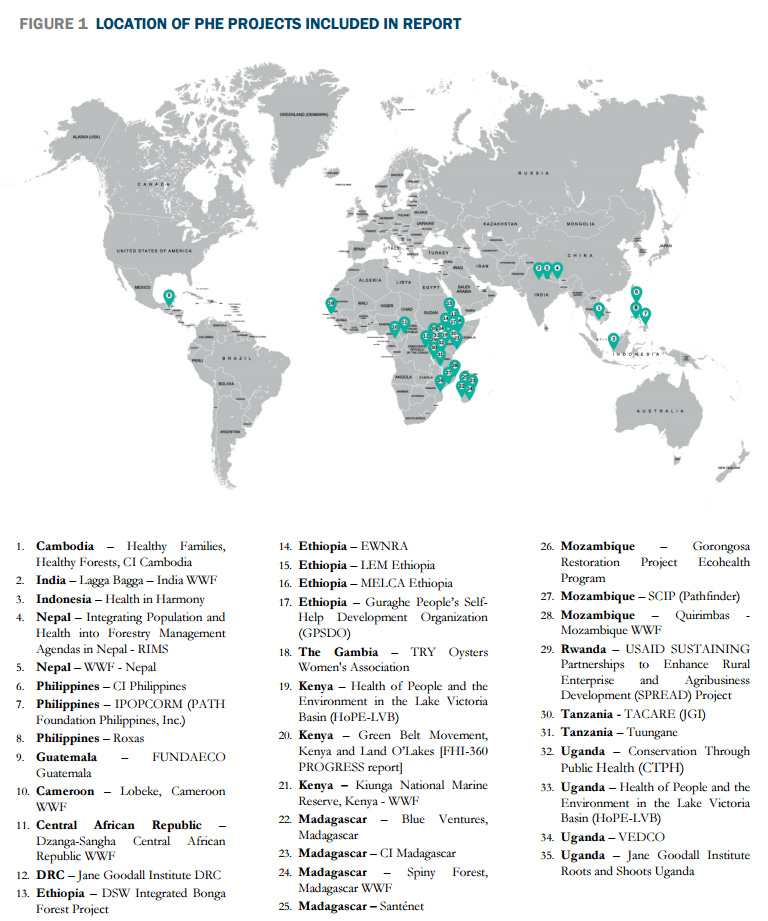
›Frequent readers of New Security Beat are no strangers to the PHE approach to development – projects, often community-based, that integrate population, health, and environmental programming in a single intervention. Practitioners suggest that such integrated programming is more effective and efficient than running simultaneous siloed projects, each focusing on a narrower objective. But does the evidence support this conclusion? How effective is the PHE approach?
-
What Paul Ehrlich Missed (and Still Does): The Population Challenge Is About Rights
›In 1968, Stanford University biologist Paul Ehrlich predicted hundreds of millions would starve to death over the next decade, many of them Americans, and the world would generally decline into chaos in his book The Population Bomb.
-
The Environmental Democracy Index: Ranking Access to Information and Justice
›June 2, 2015 // By Carley ChavaraConventional wisdom has been that wealthier countries have better environmental protections than poorer countries. However, a new annual report launched this year, the Environmental Democracy Index, reveals that a strong economy does not necessarily ensure strong environmental rights.
-
As Glacial Floods Threaten Mountain Communities, a Global Exchange Is Fostering Adaptation
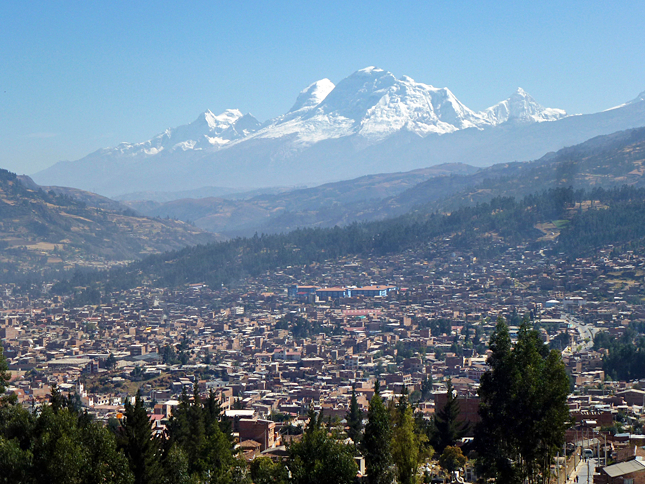
›In 1941, glacial Lake Palcacocha in the Peruvian Andes burst its moraine dam of earth and stones, sending a torrent of water through the city of Huaraz and killing an estimated 5,000 people. Between 1941 and 1950, two more glacial lake outburst floods, or GLOFs, which can occur after enough water fills in behind a glacier’s end moraine, killed another 5,000 people in the Cordillera Blanca. In response, the government set up one of the most effective glaciological units in the world with the goal of preventing future outburst floods. Using drain pipes, reinforced terminal moraine dams, sophisticated tunnels, and valve systems, they drained or contained 34 lakes in the region. As a result, thousands of lives were saved.
Showing posts from category Latin America.