-
Growing Role of Armed Forces in Disaster Relief a Dangerous Trend for Latin America
›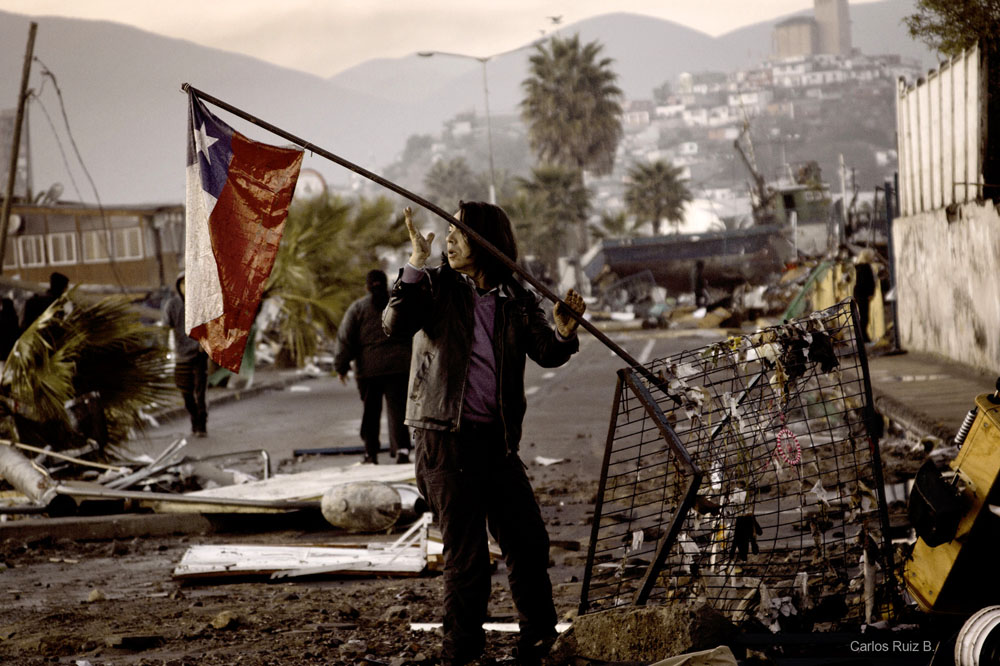
From earthquakes to floods, when natural disasters strike, the military is often called on to bolster civilian responses. Policymakers throughout Latin America in particular are increasingly relying on the armed forces for emergency assistance.
-
Climate Change Adaptation and Population Dynamics in Latin America and the Caribbean (Report)
›
Global climate trends indicate that our planet will continue warming into the next century, leading to more extreme climate conditions. The Latin America and Caribbean region is vulnerable to some of the most challenging aspects of climate change – sea-level rise, changes in precipitation, glacial melting, spreading of disease, and extreme weather events.
-
John Furlow on Better Coordination for Better Climate Adaptation
›“We [need to] stop treating ‘adaptation’ like a sector,” says John Furlow, climate change specialist at the U.S. Agency for International Development (USAID), in this week’s podcast, “but start treating it as a stress or a risk that undermines the development sectors, the environmental sectors, the social sectors that we care about.” -
Conservation in Conflict Zones: Protecting Peace and Biodiversity in Colombia
›With a new peace process underway between the Colombian government and leaders of the Revolutionary Armed Forces of Colombia (FARC) in Cuba, the spotlight is back on this long-troubled South American country. But decades of civil conflict have overshadowed an incredible fact: Colombia is among the four most biologically diverse countries on Earth.
-
Sally Edwards on Health and Climate Change in the Caribbean: “It’s a Very Complex Web”
›“The relationship between human health…and environmental changes is extremely complex,” says Sally Edwards, advisor for sustainable development and environmental health of the Pan-American Health Organization/World Health Organization office for the eastern Caribbean countries, in this week’s podcast. -
Who Benefits From REDD+? Lessons From India, Tanzania, and Mexico
›REDD+, a global framework designed to reward governments for preserving forests, has pledged nearly $10 billion to developing countries. But minorities, indigenous people, the poor, and other marginalized groups that live in forest areas often end up paying more than their fair share of the costs of environmental cleanup and conservation while getting less in return. What can be done to change this?
-
Roger-Mark De Souza: Focus on Urban Dynamics, Water Scarcity in Latin America and the Caribbean
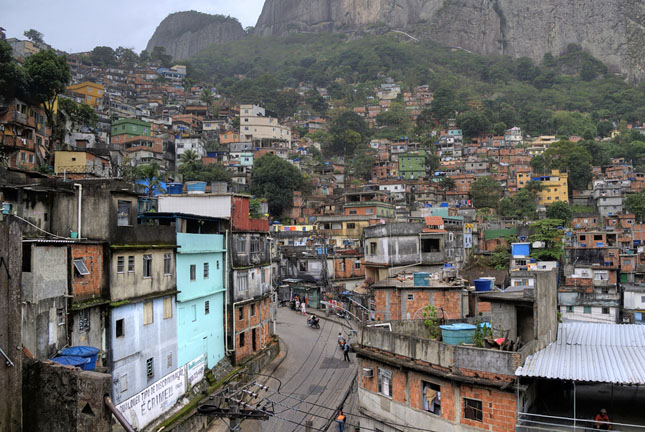
›For the past four decades, urbanization in Latin American and Caribbean countries has been on the rise. Today it’s one of the most urbanized regions of the world with 79 percent of the population living in towns and cities. By 2050, 9 out of 10 residents are expected to live in cities. This density and movement of people is critical to understanding the region’s water and climate change issues, says ECSP’s Roger Mark De Souza in this week’s podcast. -
Running Faster to Stand Still: New UN Population Projections Point to Challenges Ahead for SDGs
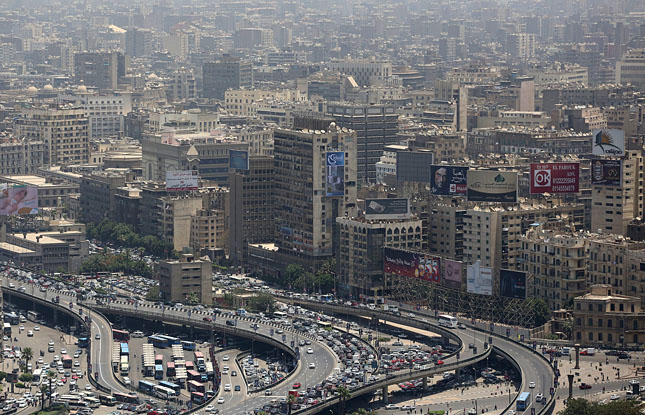
›July 29, 2015 // By Schuyler NullIn most parts of the world, population growth is stagnant, even declining slightly, part of a decades-long and nearly universal shift towards smaller, healthier families. But the places where growth is still rapid continue to defy expectations about when they will “catch up.”
Showing posts from category Latin America.
 “We [need to] stop treating ‘adaptation’ like a sector,” says John Furlow, climate change specialist at the U.S. Agency for International Development (USAID), in this week’s podcast, “but start treating it as a stress or a risk that undermines the development sectors, the environmental sectors, the social sectors that we care about.”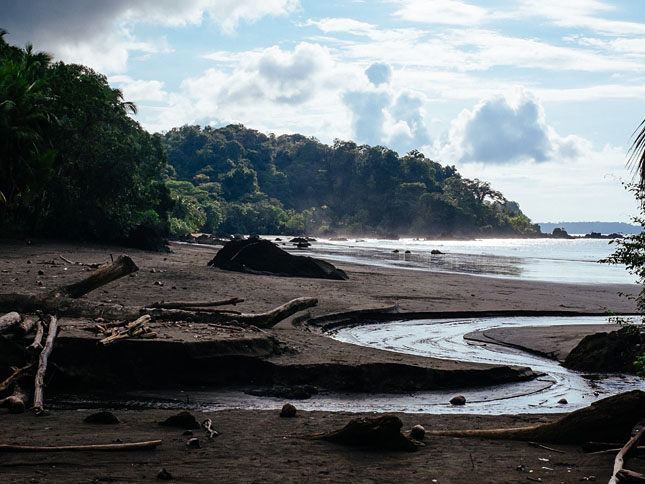
 “The relationship between human health…and environmental changes is extremely complex,” says Sally Edwards, advisor for sustainable development and environmental health of the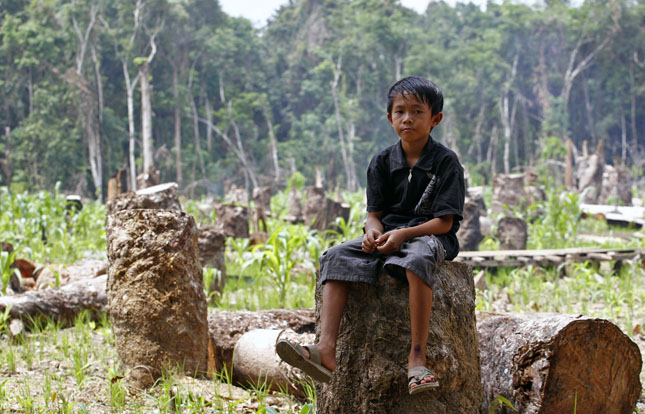
 For the past four decades, urbanization in Latin American and Caribbean countries has been on the rise. Today it’s one of the most urbanized regions of the world with 79 percent of the population living in towns and cities. By 2050, 9 out of 10 residents are