-
Without Migrants, Who Will Take Care of You?
›
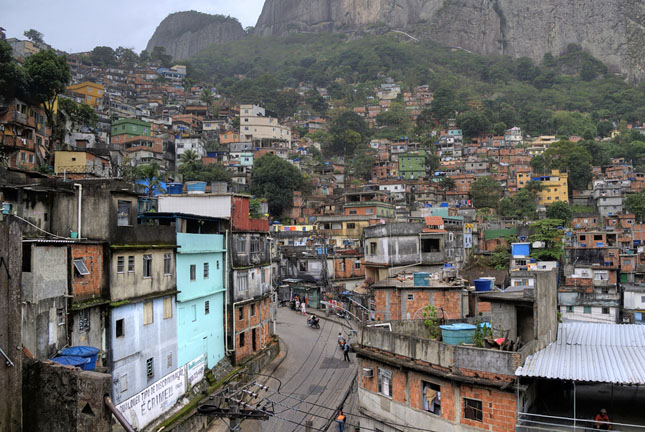
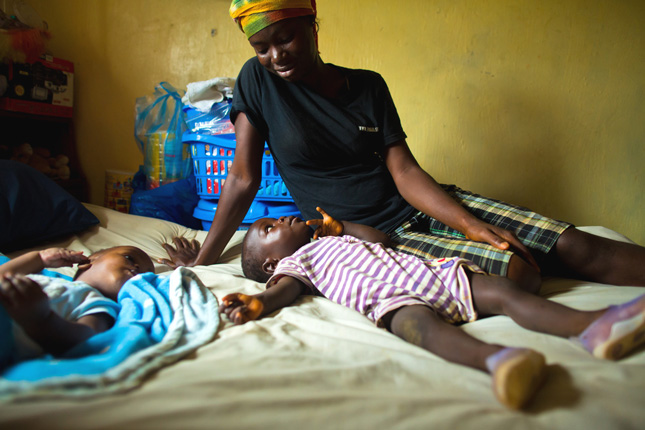
The ongoing crisis at our southern border is exacerbating another, less visible, one—the crisis in elder and childcare in the United States. With baby boomers aging and more parents of young children working outside the home, our country’s need for non-familial caregivers is skyrocketing. Carework is growing five times faster than any other sector in our economy; in fact, it is set to become the largest paid occupation in the U.S. by next year. While US citizens are not keen to take these jobs, migrants, especially women, are. But the current bottleneck—not just at the border but throughout our immigration system—is slowing down the flow of these vital workers.
-
Climate Variability, Water, and Security in El Salvador
›
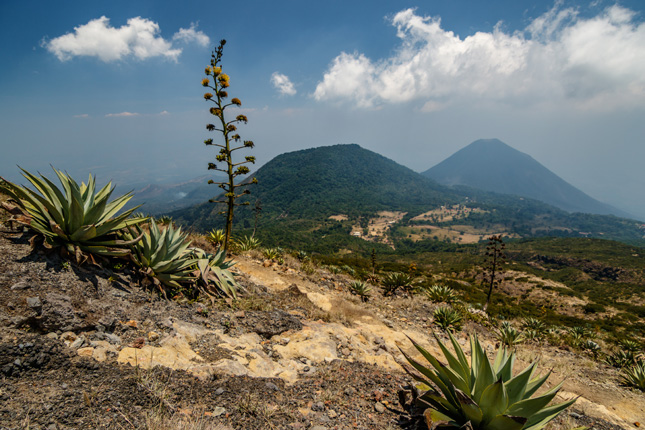
Water-related challenges in El Salvador have acquired far greater significance over the past decade as they have intersected with other social problems including migration, criminal violence, and drug trafficking. When combined, these factors pose threats to domestic and regional stability. Damaging heavy rains, droughts, and rising temperatures are exacerbated by steadily intensifying El Niño oscillations and threaten the production of staple and export crops. The declining viability of rural livelihoods is driving many farming families to migrate to urban centers or across borders. Food security is a constant concern across the region, and millions already rely on humanitarian assistance. Infrastructure has been damaged repeatedly by floods and raging rivers. El Salvador can mitigate many of these risks by employing ecological landscape restoration. Improving the soil’s capacity to retain and regulate water will help maintain both agricultural and ecological viability.
-
Torn Social Fabric: Water, Violence, and Migration in Central America
›In the first half of last year, 26,000 unaccompanied children were apprehended by U.S. law enforcement trying to cross the southern border. Most came from Central American states like El Salvador, Guatemala, and Honduras. Such displacement is just the tip of the iceberg in terms of migration in the region. Many more are moving from rural to urban areas and into neighboring countries seeking opportunity and fleeing violence.
-
Vice-President Eduardo Stein on Water Conflict in Guatemala: Origins and Solutions
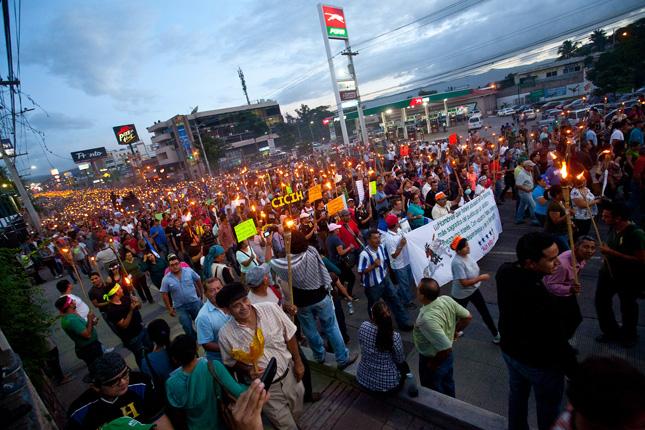
›Since 2014, Central America has experienced a dramatic lack of rainfall, destroying grain crops and killing cattle. As of last summer, 2.8 million people were impacted by drought and 900,000 were at risk of malnutrition in Guatemala alone. The effects of environmental change have been especially acute in Guatemala because they are layering on top of existing dysfunction and instability, says Former Vice-President of Guatemala (2004-2008) Eduardo Stein in this week’s podcast. -
How Zika Is Shaping the Sexual and Reproductive Health and Rights Agenda
›“The Zika outbreak is a result of something; it is the result of the lost attention to sexual and reproductive health issues as a human right and women as subjects of rights,” said Jaime Nadal Roig, the United Nations Population Fund representative to Brazil, at the Wilson Center on April 12. [Video Below]
-
Zika Virus Prompts El Salvador and Others to Discourage Pregnancy – What Are the Potential Consequences?
›The government of El Salvador took a truly extraordinary step in an attempt to control the rapidly spreading Zika virus last week by asking its citizens to avoid getting pregnant from now until 2018. Yes, you read that right.
-
Climate Change Adaptation and Population Dynamics in Latin America and the Caribbean (Report)
›Global climate trends indicate that our planet will continue warming into the next century, leading to more extreme climate conditions. The Latin America and Caribbean region is vulnerable to some of the most challenging aspects of climate change – sea-level rise, changes in precipitation, glacial melting, spreading of disease, and extreme weather events.
-
Solidarity and Stigma: The Challenge of Improving Maternal Health for Women Living With HIV
›Despite the fact that with proper interventions, the likelihood of mother-to-child transmission of HIV is less than five percent, expectant mothers with HIV or AIDS often face intense stigma and marginalization from health care providers around the world. As a result, in some areas, the mortality rate for mothers with HIV is seven to eight times greater than the rate for non-infected women, said Dr. Isabella Danel of the U.S. Centers for Disease Control. [Video Below]
Showing posts from category El Salvador.
 Since 2014, Central America has experienced a dramatic lack of rainfall,