-
Climate Resilience for Whom? The Importance of Locally-Led Development in the Northern Triangle
›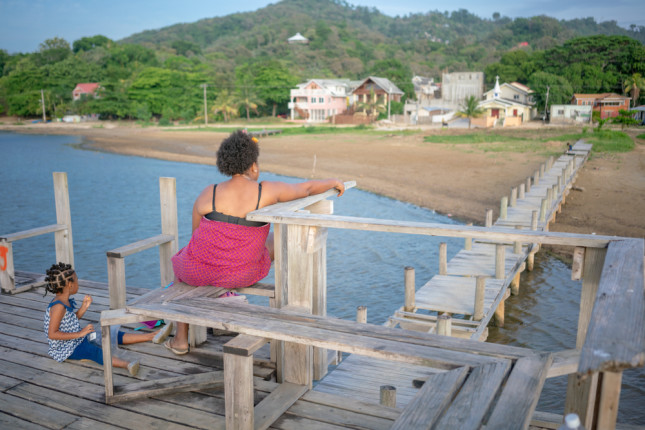
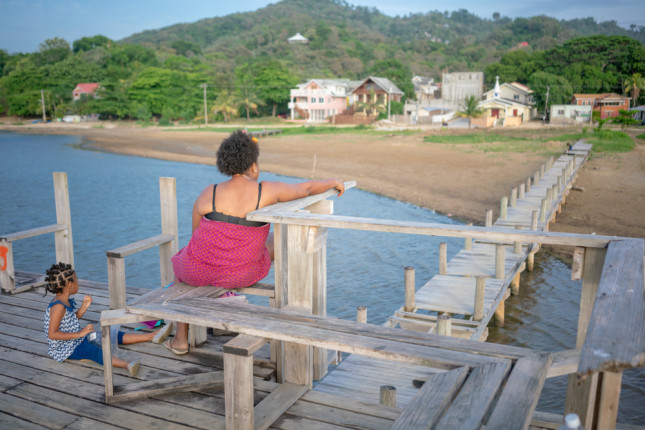
“One of the challenges of responding to climate risks is that climate’s impacts and how those impacts interact with existing systems on the ground are so varied and specific to a given place,” said Lauren Risi, Director of the Wilson Center’s Environmental Change & Security Program, at a recent PeaceCon conference panel on climate change, violence, and migration in Central America. “But there is also an opportunity in how we respond to develop more agile, just, and sustaining programs and policies that go beyond a singular focus on responding to climate change and instead build the overall resilience of communities.”
-
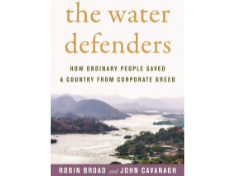
The Water Defenders: How Ordinary People Saved a Country from Corporate Greed: A Conversation with Co-authors Robin Broad and John Cavanagh
›
“Many people have watched fights between communities and big corporations around the world. The corporations usually win so those are the Goliath. The Davids usually lose,” says John Cavanagh, co-author of The Water Defenders: How Ordinary People Saved a Country from Corporate Greed. In this week’s episode of Friday Podcasts, Cavanagh and co-author Robin Broad recount how local activists mobilized a global coalition of religious leaders, labor unions, and environmental activists to block an international corporation from opening a gold mine that threatened El Salvador’s fragile water supply.
-
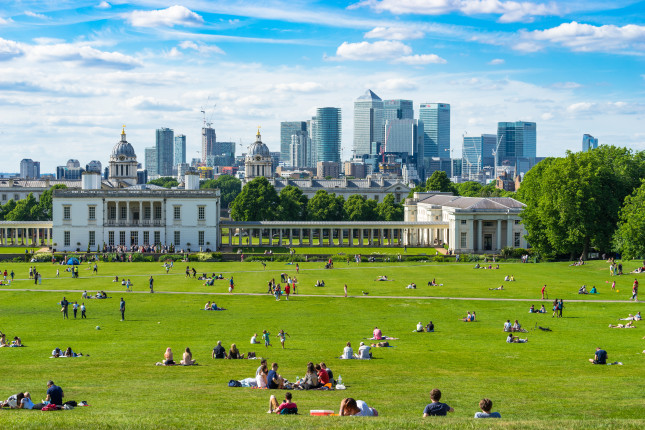
Climate Migration and Cities: Preparing for the Next Mass Movement of People
›Amid the COVID-19 pandemic, communities across the globe are experiencing unprecedented climate disasters.
According to modeling by ProPublica, the Pulitzer Center, and The New York Times Magazine, in the event that governments take “modest action to reduce climate emissions, about 680,000 climate migrants might move from Central America and Mexico to the United States by 2050.” That number leaps to above a million people in a scenario where no action is taken. The impacts of climate change on people’s decision to move are not constrained to the developing world, or even across borders. A recent study found that one in 12 Americans currently residing in the southern U.S. will move to California and the Northwest over the next 45 years because of climate influences.
-
Accessing Justice: Femicide and the Rule of Law in Latin America
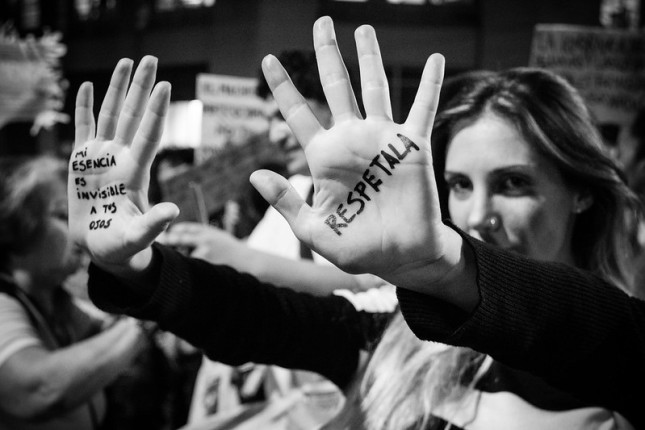
›Dot-Mom // From the Wilson Center // July 17, 2020 // By Annelise Gilbert, Beatriz García Nice, Olivia Soledad & Anya Prusa“The pandemic is just making visible a reality that has been going on for decades,” said Claudia Calvin, Founder of Mujeres Construyendo (Women Building) and a member of Nosotras Tenemos Otros Datos (We Have Other Data). She spoke at a recent Wilson Center event on femicide and the rule of law in Latin America. The panelists discussed the longstanding roots of this issue and new barriers to protecting women and preventing violence during the pandemic in the launch event for a project examining gender-based violence in Latin America, co-hosted by the Brazil Institute, Latin America Program, Mexico Institute, and Maternal Health Initiative. “Violence against women and femicides are not new,” Calvin said. But what is new is the fact that the media and civil society are bringing this topic to our attention, she said.
-
Pandemic of Violence: Protecting Women during COVID-19
›Covid-19 // Dot-Mom // From the Wilson Center // May 27, 2020 // By Anya Prusa, Beatriz García Nice & Olivia SoledadCOVID-19 is having a profound impact on Latin American women. Gender-based violence increased drastically after governments imposed lockdowns, leaving policymakers and law enforcement scrambling to prevent attacks. Latin America was already one of the most dangerous regions for women, with the highest rate of sexual violence and some of the highest femicide numbers in the world. The Economic Commission for Latin America and the Caribbean registered 3,529 femicides in 2018, or one woman killed every two hours due to her gender. For many women living through the coronavirus pandemic in Latin America, the greater health risk might be staying home.
-
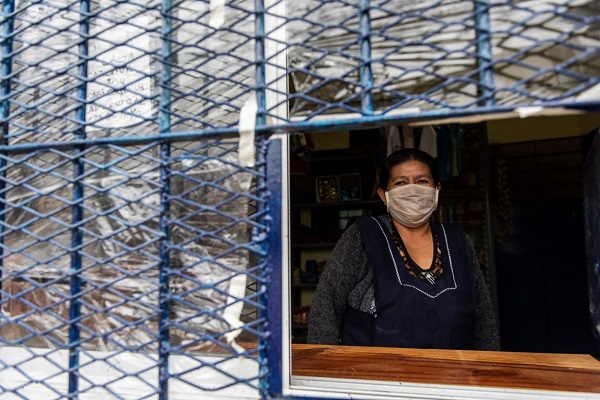
Humanitarian Challenge: Amping up Urban Response to COVID-19 in Central America
›On May 6, Médecins Sans Frontières (MSF) announced it had started to treat COVID-19 patients in Tijuana, in northwestern Mexico. Tijuana, which is on the border with San Diego, has the greatest number of cases in Mexico and one of the highest death rates.
“We will be providing support to health institutions [by] relieving the hospital burden in Tijuana,” said Maria Rodríguez Rado, MSF’s COVID-19 Emergency Response Coordinator in Mexico, according to the group’s website. “Through this support, we want to relieve the enormous workload of health workers who are responding to this pandemic and help alleviate the suffering of patients.”
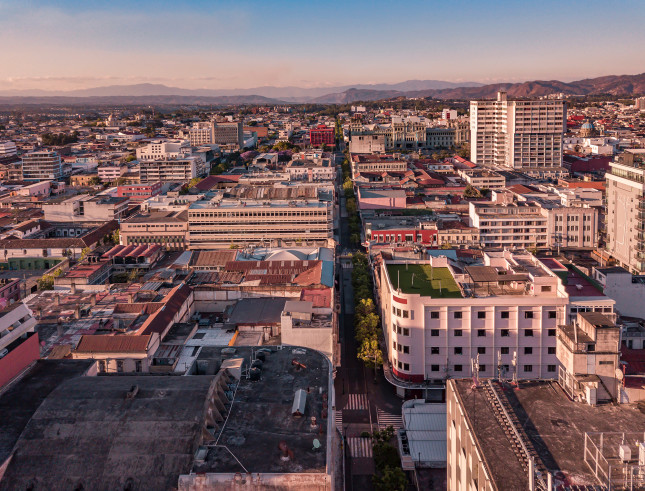
The move is welcome. Across Central America, megacities such as Guatemala City, Tegucigalpa in Honduras, and Managua in Nicaragua are vulnerable to the rapid spread of COVID-19.
-
Local Solutions Needed to Stem Humanitarian Crisis in Central America’s Dry Zone
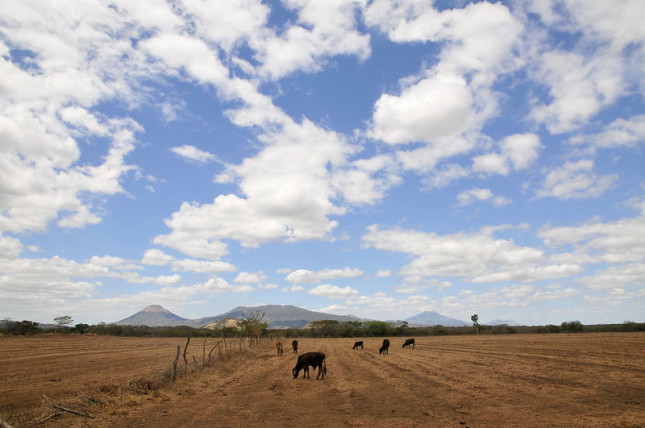
›As the humanitarian community responds to the Covid-19 pandemic, other long-term pressing priorities persist and require innovative solutions. The dry zone which extends across Central America encompassing parts of Guatemala, Honduras, El Salvador, and Nicaragua and a 10-year drought has left 1.4 million people in urgent need of food assistance. The impact of climate change, which includes extreme drought, poses an ever-increasing risk across Central America and contributes not only to food insecurity but also to migration issues that have plagued the continent in recent years.
-
Paying for the Spout: Innovative Financing Could Expand Access to Water
›Water Security for a Resilient World // March 2, 2020 // By Wania Yad, Amanda King, Kelly Bridges & Thomas BoyntonSafe water, sanitation, and hygiene (WASH) are vital for human well-being. However, 1 in 3 people (approximately 2.2 billion) still lack safe drinking water, 4.2 billion do not have access to safely managed sanitation services, and 829,000 people die annually from unsafe water and related sanitation and hygiene around the world.
Showing posts from category El Salvador.