-
China Leads the Race to the Bottom: Deep Sea Mining for Critical Minerals
›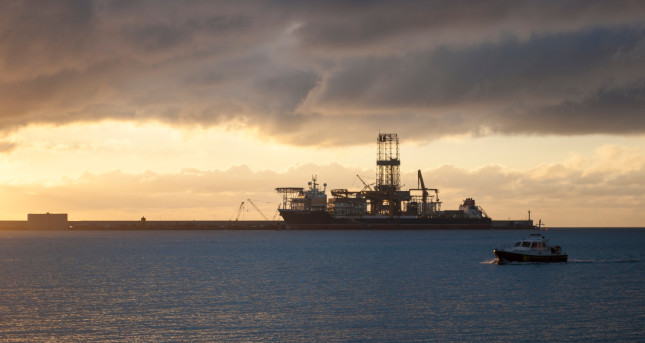
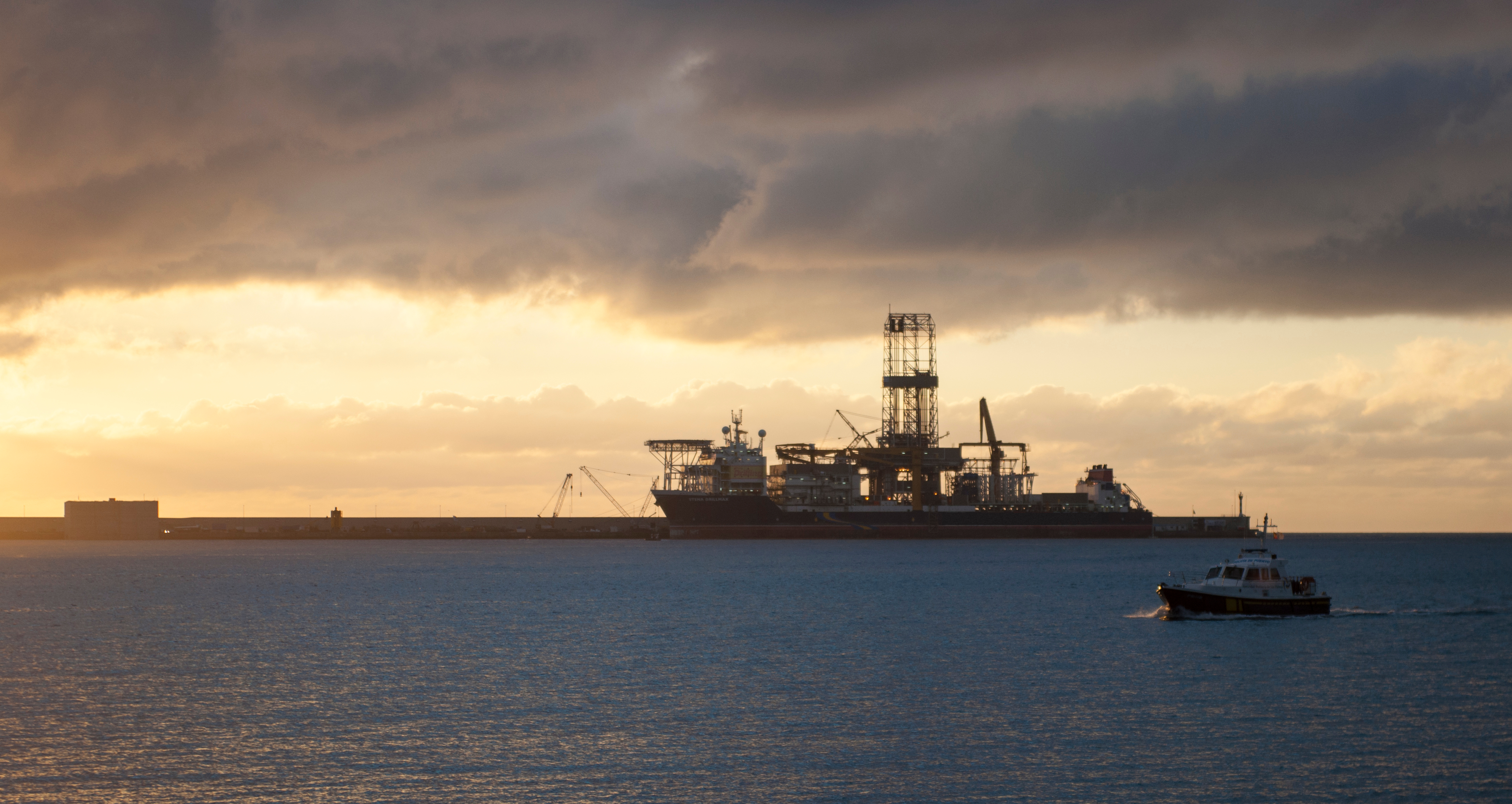
In December 2022, at the Nansha District port in the Pearl River Delta, the China State Shipbuilding Corporation unveiled China’s first oceanographic drilling ship—capable of mining 10,000 meters deep. This launch showcased China’s rapid advances as a major player in the global race to extract critical minerals at the bottom of the ocean.
-
No Water, No Food – Glacier Loss Threatens US and Chinese Agriculture
›
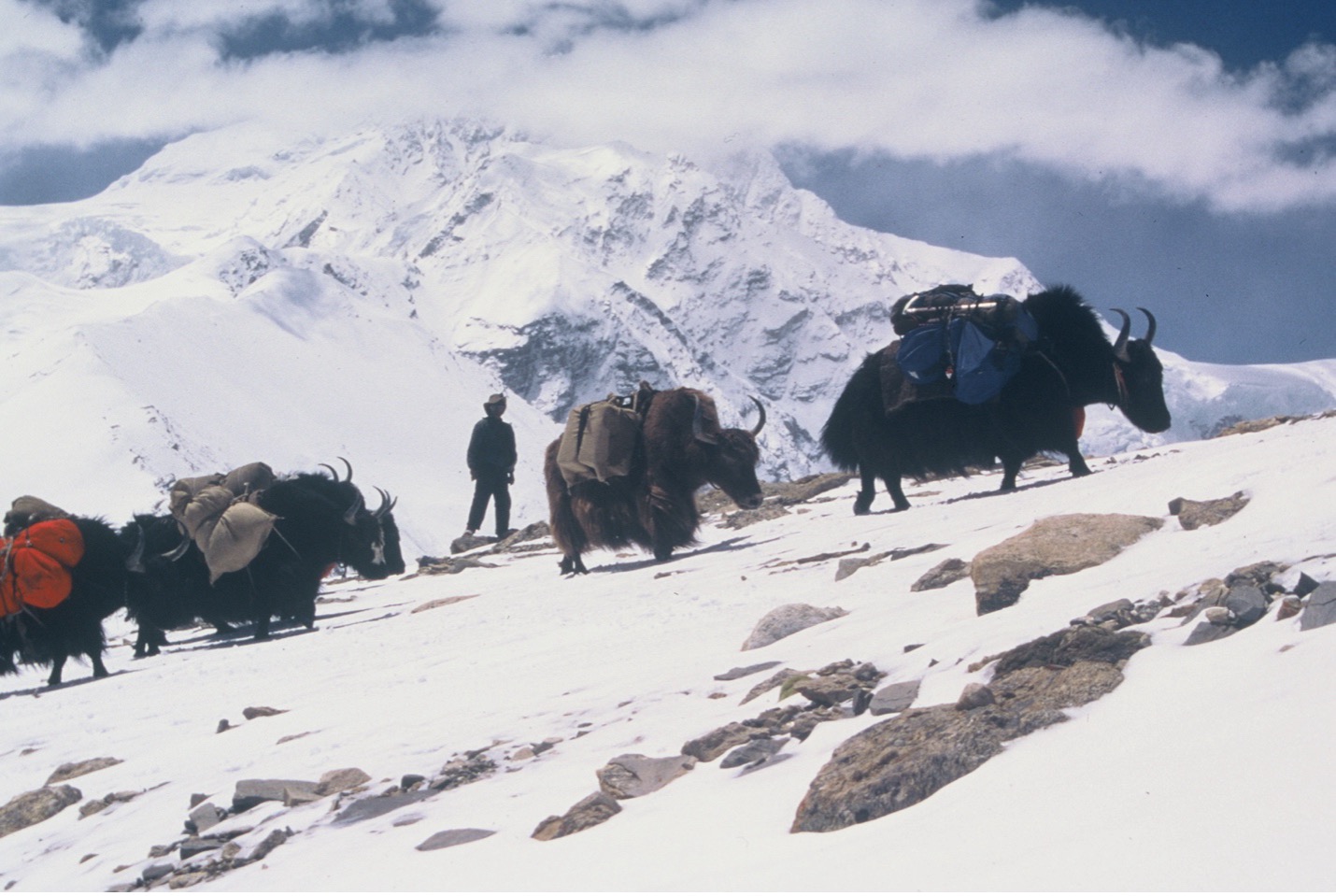
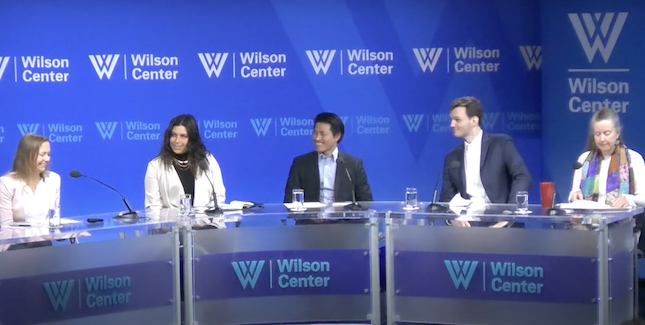
Picture this: A parade of yaks carrying insulated boxes containing meter-long ice core samples from Tibetan glaciers. “Yaks are like cats,” elite glacier scientist Lonnie Thompson explained in a 2023 Wilson Center webinar. They like to wander off — and it takes experienced Tibetan yak herders to keep them moving in the same direction.
Yet these yak-schlepped ice cores are essential to climate science, added Ellen Mosely Thompson. They store thousands of years of atmospheric dust and gasses in distinct layers and serve as a record of our changing climate.
-
Bottom-up Moo-vement: Reducing Methane Emissions from US and Chinese Cows
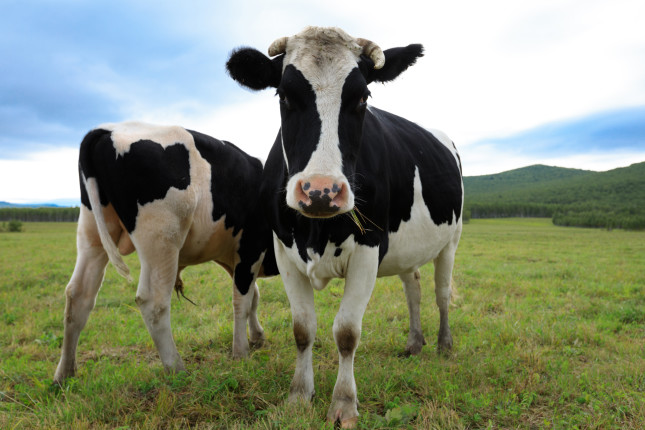
›When cows eat, they burp. And what they exhale generates almost a third of global methane emissions – a greenhouse gas 80 times more potent in warming the climate than CO2. So tracking this short-lived climate gas is crucial.
Six miles from Bakersfield, California, at the Bear 5 cow feedlot, this work is starting to happen. High-resolution satellites are being used for the first time at the feedlot to track methane emissions from cow burps. Measuring cow belches from space is bringing critical attention to the brewing climate issues from cows. After all, the methane produced by these gassy animals in one year at Bear 5 cow feedlot alone could power more than 15,000 homes in California.
-
The Changing Geopolitics of Critical Minerals and the Future of the Clean Energy Transition
›At a recent Wilson Center event on the shifting geopolitics of critical minerals, Cory Combs, Associate Director at Beijing-based Trivium China, noted that “the nature of global resource competition is changing—and quite rapidly.”
-
Milking the Dairy Industry for Lower Greenhouse Gas Emissions in China
›When Kevin Chen began his agricultural research 20 years ago, most dairy farms in China were small and family-owned. People of his generation did not grow up with milk deliveries or ice cream. Today, however, these farms have been replaced by massive agri-businesses raising tens of thousands of dairy cows, and dairy is a regular part of many people’s diets in China, thanks to rising incomes and years of governmental promotion of cheese, yogurt, and milk.
-
Slow Down? Environmental Regulators Tap the Brakes on China’s High-Speed Rail
›China Environment Forum // Guest Contributor // Vulnerable Deltas // December 15, 2022 // By Xiao MaChina’s high-speed railway (HSR) is the most recent poster child for the country’s rapid development, with more HSR tracks than the rest of the world combined. Since 2004, the Chinese government has invested more than 10 trillion RMB to build a 40,000-kilometer (km) network of trains that zip between stations at speeds reaching 350 km/hr (or 220 miles per hour). Not to be outdone, by 2035 the government aims to expand this train network by 75 percent to help the country reach its transport connectivity and low-carbon transportation goals.
-
Peafowls Halt Dam: A One-off or One Step Forward for China’s Environmental Public Interest Law?
›The slogan “lucid waters and lush mountains are invaluable assets” seemed omnipresent in China in 2015, highlighting a crucial part of Xi Jinping Thought on Ecological Civilization. Yet this powerful formulation proved vague in execution, giving local policymakers new headaches on how to strike the balance between development and conservation in making new laws. China’s judiciary faced an even stickier problem. How do you try such cases in the absence of concrete legal text and sufficient legal precedents?
-
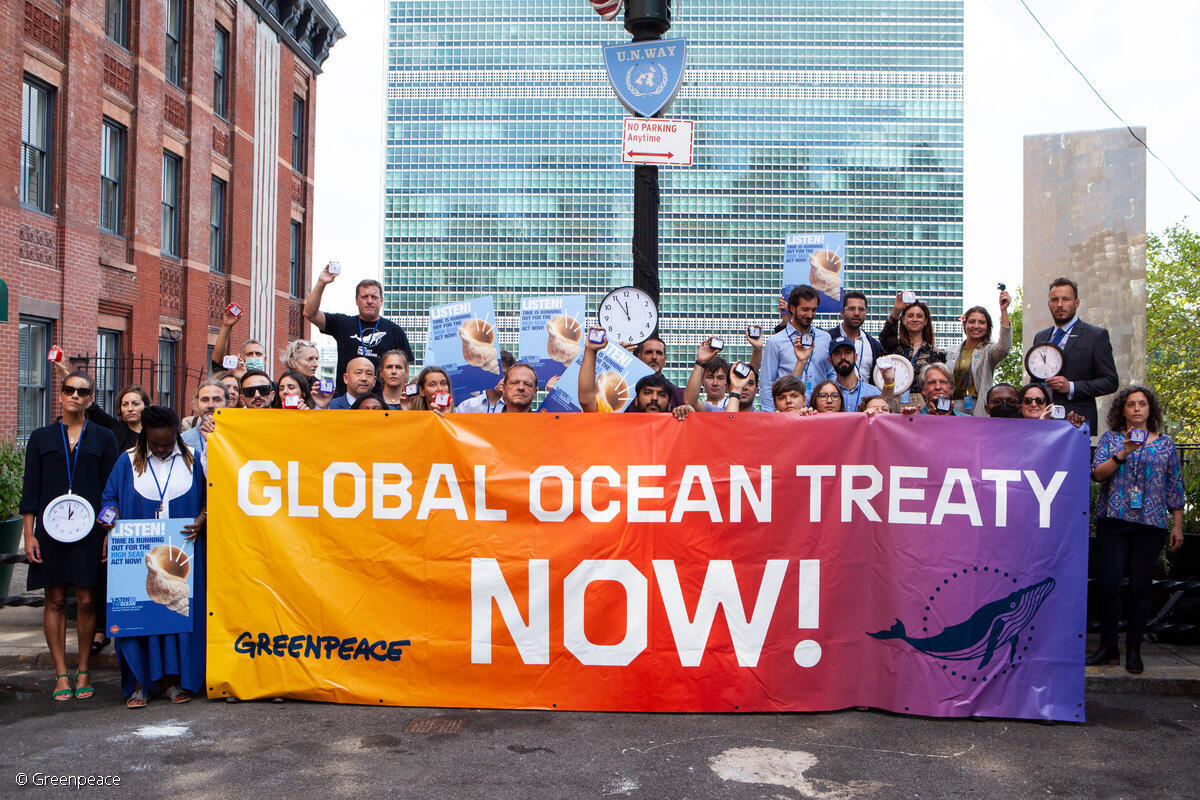
Deadlock in the Negotiation Rooms to Protect Global Oceans
›For decades, western multinational companies have been profiting by exploiting plant, animal, or microbial genetic resources obtained from less developed countries. Take the neem tree, for example. Since the 1990s, international companies have registered more than 70 patents on products derived from India’s “tree of life.” Yet these patents have prohibited local people from using these trees (as they had for centuries) to make cosmetics, fertilizers, and medicines.
International companies have now turned their eyes to the high seas in a new hunt for genetic resources. Concerned they will be left out of the potentially profitable patents once again, developing nations are demanding equitable use and benefit sharing of genetic resources in ongoing global ocean treaty negotiations.
Showing posts from category China.