-
Why Do Land Grabs Happen? Because They Can
›May 9, 2016 // By Michael Kugelman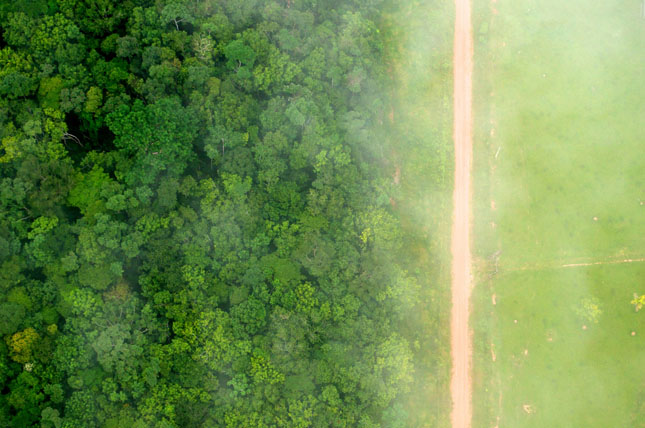
In January, over the objections of indigenous groups that live there, the government of Ecuador sold oil exploration rights to 500,000 acres of the Amazon to a consortium of Chinese companies. Whenever we hear about stories like this, there is a tendency to think: How can this happen? How can obscenely rich investors run roughshod over the land, livelihoods, and rights of impoverished local communities, and with utterly no consequences?
-
Water Is the Climate Challenge, Says World Bank
›May 6, 2016 // By Schuyler NullHow will climate change affect you? Probably through water.
That’s the major message of a new World Bank report that finds the ways governments treat water can have a profound effect on the economy.
-
Christine Parthemore, Center for Climate and Security
How Are Climate Plans Affecting Nuclear Security?
›May 5, 2016 // By Wilson Center Staff
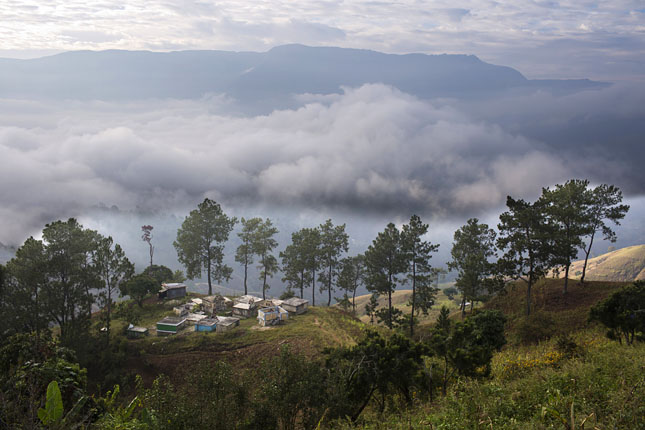
Today, new nations are pursuing civilian but dual-use nuclear capabilities, the threat of non-state actors seeking nuclear materials may be growing, and countries continue to debate proper ways to enhance nuclear safety, security, and nonproliferation systems to keep up with the pace of change. At the same time, governments worldwide are having difficulty managing the effects of a rapidly changing climate, such as more damaging natural disasters and resource stress. The relationships among nuclear, climate, and security risks are growing more complex and interconnected, and these issues are likely to begin converging in new ways. By early 2016, it has become clear that the international community must take a fresh look at the ways in which they are likely to connect and potentially collide in the years ahead, and foster deeper dialogue on what should be done about it.
-
From Climate Challenge to Climate Hope: Embracing New Opportunities This Earth Day
›April 22, 2016 // By Roger-Mark De SouzaThis Earth Day, the United States, China, and Canada are among more than 170 countries expected to take part in the largest one-day signing of an international agreement in history. The ratification of the climate agreement hammered out at the Paris Conference of Parties (COP-21) last December could be the most significant elevation of environmental issues on the global stage yet.
-
Can Citizen Science Help Small Communities Combat Big Fishing Fleets?
›This Earth Day weekend, the U.S. Department of State is hosting more than 2,000 coders in more than 40 cities to encourage creative thinking about technological solutions to ocean issues. The third annual Fishackathon could produce new tools for local communities to track long-distance fishing, a growing problem in some places, as China, in particular, scales up its efforts.
-
Tracking China’s “Foul and Filthy” Rivers With Citizen Science
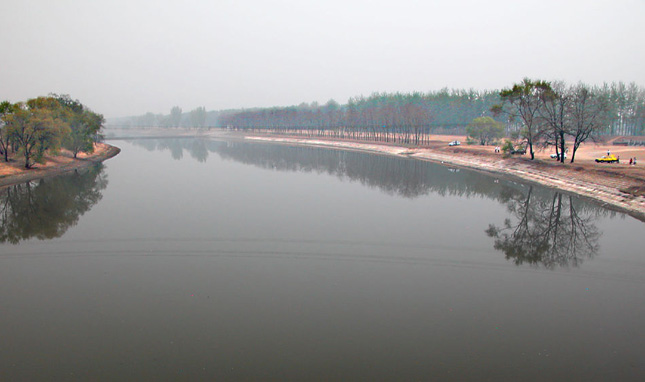
›Blackened rivers snake the ring roads of Beijing, carrying pollution and often smelly water from one end of the city to another. The most polluted of these have been dubbed “foul and filthy” rivers (黑臭河) by China’s Ministry of the Environment (MEP) and Ministry of Housing and Urban-Rural Development (MOHURD). However, the government has decided to clean these up – and is enlisting the help of the public to do so.
-
Myanmar’s Democratic Deficit: Demography and the Rohingya Dilemma
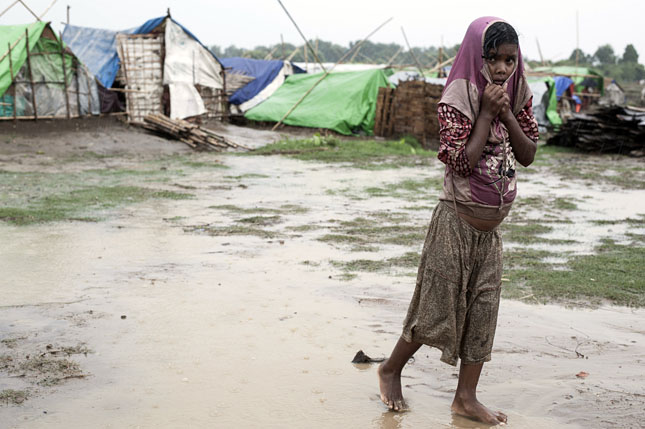
›According to political demographers, who study the relationship between population dynamics and politics, two characteristics when observed together provide a rather good indication that a state is about to shed its authoritarian regime, rise to a high level of democracy, and stay there. Myanmar has both.
-
The Environment and Energy Stories to Watch in 2016
›The climate agreement reached in Paris last December, seen by many as a critical step toward lowering greenhouse gas emissions, was big news – perhaps too big. Pointing to the thousands of articles about COP-21, National Geographic Senior Editor Marla Cone asked at a recent Wilson Center panel, “Is this a wise use of resources, when newsrooms are so stretched thin, to have everybody pretty much chasing the same stories?”
Showing posts from category China.