-
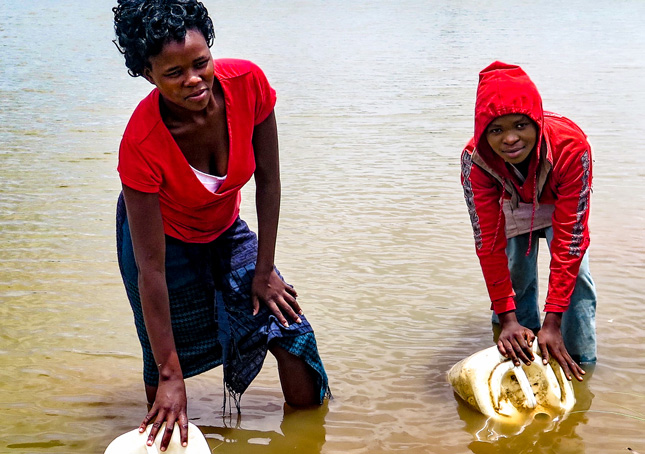
4 Billion Face Regular Water Scarcity, and Three Climate Conflict Narratives
› In a study published in Science Advances, Mesfin M. Mekonnen and Arjen Y. Hoekstra estimate that over 4 billion people, approximately two-thirds of the world’s population, face severe water scarcity for at least one month out of the year – far greater than previous estimates of between 1.7 billion and 3.1 billion. The authors examined global water scarcity data from 1996 to 2005 on a monthly basis and at a more localized resolution to show how water scarcity affects different places at different times of year.
 -
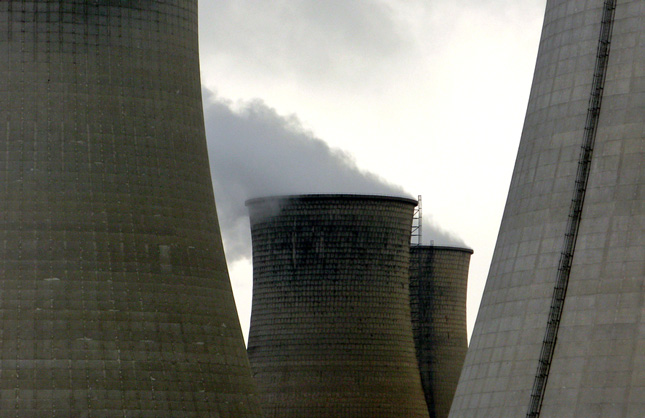
Cleaning up China’s Ports: Shenzhen Explores Fuel Switching and Onshore Power
›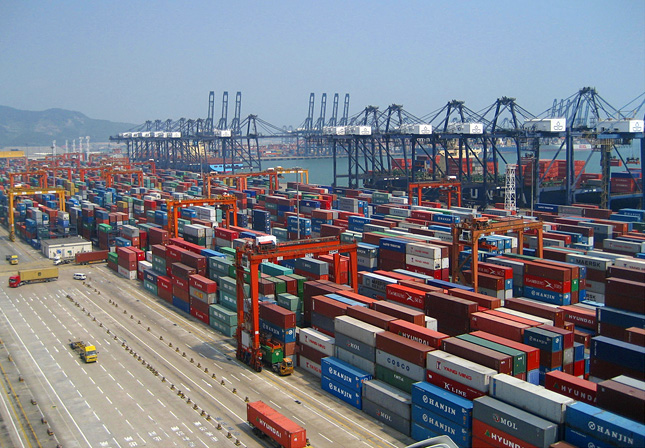
China’s “strictest air protection law” yet took effect on January 1, 2016, promising to bring big changes to its smog-filled cities. But some municipal governments have been ahead of the curve, working to clean up the air through experimentation and innovation. Shenzhen, China’s first special economic zone and which recently passed its neighbor Hong Kong to lead China’s most competitive cities, is one of these.
-
Ethan Zindler on Clean Energy in Emerging Markets: “The Private Sector Sees the Opportunity”
›“The good news is clean energy has gotten much cheaper,” says Ethan Zindler, head of the Americas for Bloomberg New Energy Finance, on this week’s podcast. “The amount of stuff getting built for the same number of dollars has been going up. You’re getting more ‘bang for your buck’ when it comes to actual deployment.” -
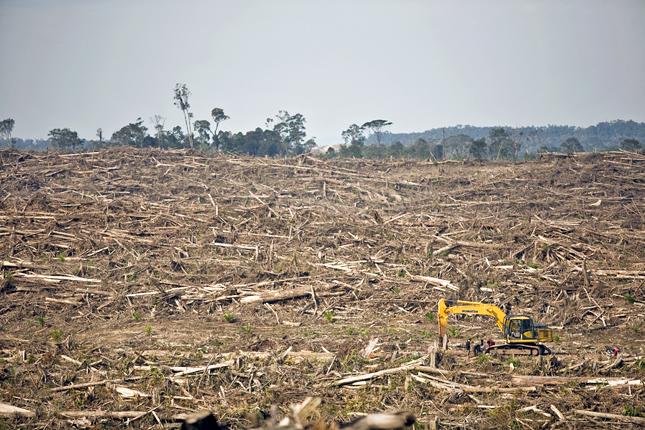
India’s Thirst for Palm Oil, New South-South Trade Patterns Cast Doubt on Sustainability Initiatives
›Patterns of trade and consumption in the global food system are shifting. In the past, most trade in agricultural commodities occurred between developed and developing countries. But, in recent years, the volume of South-to-South trade has increased significantly. Today, some of the most problematic crops in terms of their effect on the environment, such as soy and palm oil, are predominantly traded amongst developing and fast-rising countries.
-
Breaking Out of the Dome: Can Energy Efficiency Help Chinese Cities Conquer Air Pollution?
› -
Keith Schneider, Circle of Blue
Drought Pushes South Africa to Water, Energy, Food Reckoning
›January 7, 2016 could hardly have been worse in this thunderously beautiful, water-parched, and economically reeling nation of 55 million residents at the bottom of Africa.
-
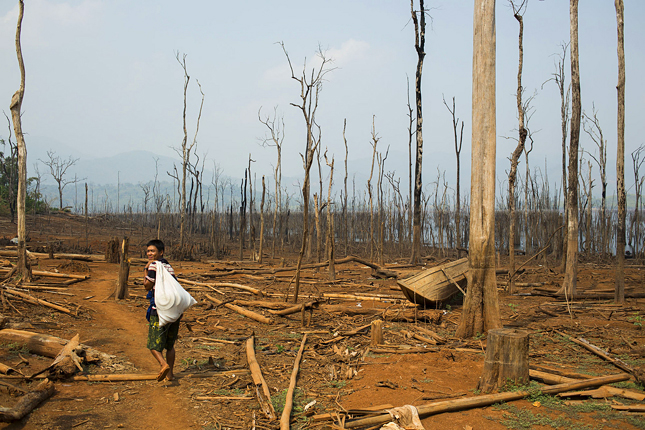
Can Myanmar Avoid Conflict Pitfalls in its Hydro Blitz?
›Myanmar is undergoing multiple transitions, from military rule to democracy, decades of civil war to peace, and from a command economy to a market-based one. No less of an important challenge amidst this backdrop of change and hope is addressing the country’s energy poverty.
-
After Paris, What’s the Status of “Environmental Refugees?”
›One of the hidden costs of climate change is the displacement of millions of people in some of the poorest regions of the globe. The existing international refugee regime is ill-suited to cope with those seeking refuge from environmental disasters. Countries must get serious about developing coordinated plans to address the issue, lest they be caught by surprise when another humanitarian crisis hits.
Showing posts from category China.
 “The good news is clean energy has gotten much cheaper,” says