-
Celeste Hicks and Laura Seay, Monkey Cage
Governance, Gender, and No Guarantees in Africa’s Oil-Rich States
›June 23, 2015 // By Wilson Center Staff
The discovery of oil in Chad in 1969 did not yield many immediate benefits for a population that would soon be wracked by civil war, but hopes were high by the late 1990s. Chad had largely stabilized, and a new, World Bank-backed project to build a pipeline through Cameroon to the Atlantic Ocean coast was touted as a model for socially and environmentally responsible oil exploitation in developing countries.
-
Is Wildlife Trafficking a National Security Threat?
›
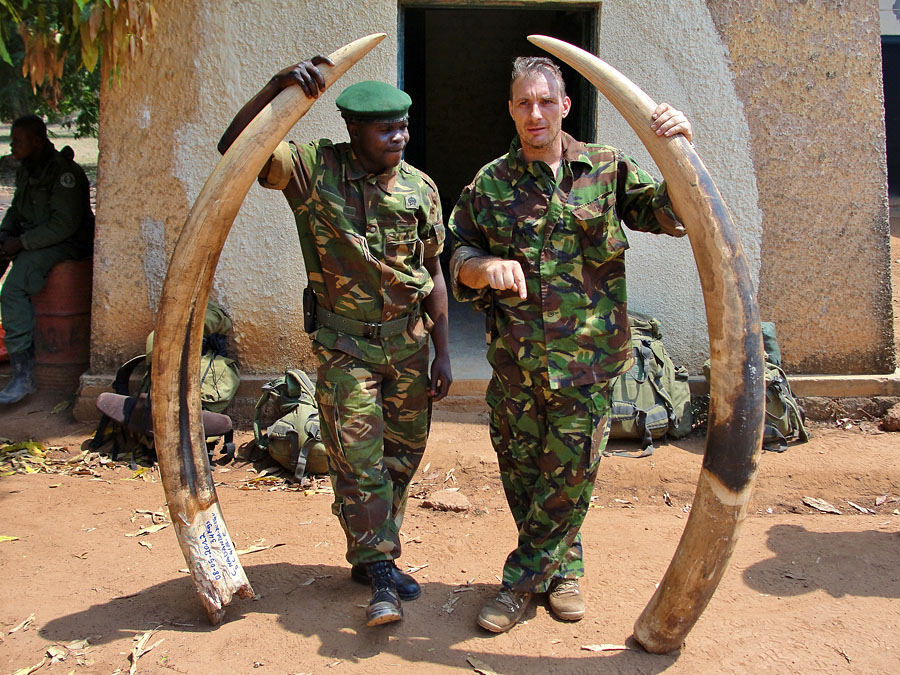
Trafficking of illegal wildlife goods is quickly becoming one of the most lucrative illicit businesses in the world. With growing demand in Asia, an industry that was once fed by isolated, small-scale poaching incidents is now run by well-organized, transnational criminal networks, similar to narcotics and guns. The Obama administration labeled wildlife trafficking as a national priority in 2013 and released a National Strategy for Combatting Wildlife Trafficking in 2014. A detailed implementation plan for the strategy followed this year, identifying key steps and implementing agencies to help end trafficking in the United States and abroad.
-
The Sahel Beyond the Headlines: Underlying Demographic, Environmental Trends Erode Resilience
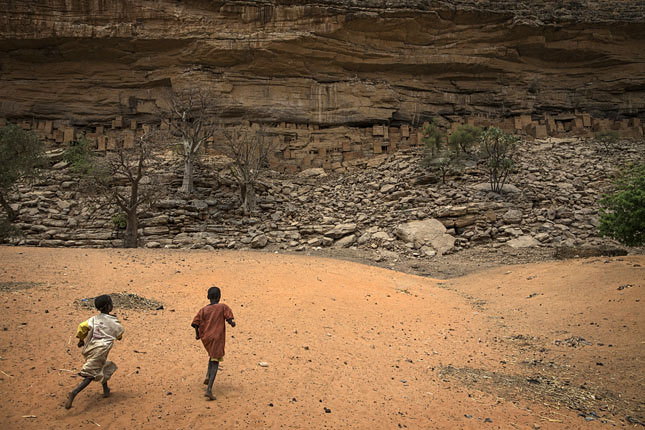
›Between the Sahara to the north and savanna to the south lies the semi-arid Sahel, a region stretching from Senegal to Sudan that has experienced desperate poverty, climate change, malnutrition, and violence. While every context is different, the Sahelian countries share some common challenges, including a pattern of recurring crises and fluid borders. Boko Haram’s reign of terror in northern Nigeria and Mali’s coup have both had cross-border components. [Video Below]
-
Low Oil Prices Could Shake up Africa’s Petro States
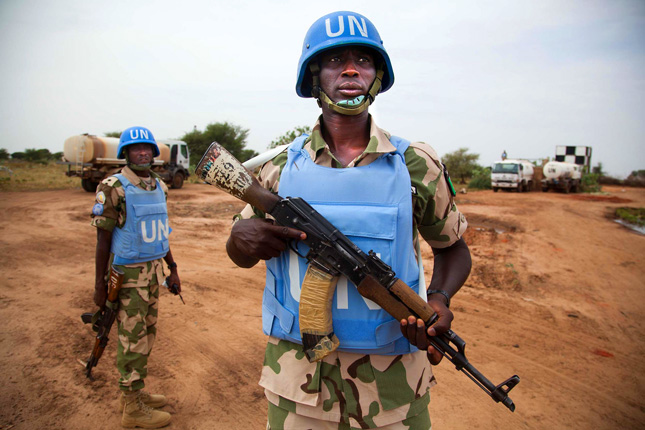
›One in five African states produce hydrocarbons, and most of these are heavily dependent on oil and gas revenues to finance their governments and generate foreign exchange. Further, an emerging group of East African states are waiting on international oil companies to develop new oil and gas reserves. But Africa’s record using non-renewable oil and gas resources to trigger economic and social development is poor – and plummeting prices may portend more instability to come.
-
Not Just Climate Change: Marcel Leroy on How Demography Contributes to Africa’s Scarcity Problems
›
The Sahel has endured multiple debilitating food crises over the last five years and climate change has often been fingered as the culprit. But it is important to equally consider the amplifying effects of demographic trends on resource scarcity, says the University of Peace’s Marcel Leroy in this week’s podcast.
-
The Year That Resilience Gets Real
›2014 promises to be a superlative year – and that’s not necessarily a good thing. Complex, “super” disasters like Super Typhoon Haiyan are becoming more frequent, more systemic, and more destructive. Global trends, from population dynamics to food, water, and energy scarcities, threaten to further complicate the playing field. But by finally getting serious about resilience – the much discussed buzzword of 2013 – we might reduce our vulnerability, restore our communities, and build back better, rather than just picking up the pieces.
-
A Season for Motherhood: The Role of Family Planning in Improving Maternal Health
›Ensuring access to family planning is not only a matter of human rights, but can also play a key role in protecting the health of mothers and children. Maternal health experts and program directors met at the Wilson Center on July 31 to discuss the role family planning takes in women’s health in developing countries, what successes family planning programs worldwide have had so far, and what can be done to expand services. Sarah Craven, chief of the UN Population Fund’s Washington office, moderated the event.
-
Why Has the Demographic Transition Stalled in Sub-Saharan Africa?
›August 7, 2013 // By Elizabeth Leahy MadsenIn a recent post on the new United Nations population projections, I discussed the risk in assuming that countries in sub-Saharan Africa will progress through the demographic transition at a pace similar to other regions. Making this assumption is questionable because fertility decline in Africa has generally proceeded more slowly than in other parts of the world, with several cases of “stalls” and even small fertility increases over time.
Showing posts from category Chad.