• woodrow wilson center
  • ecsp

New Security Beat

Subscribe:
  • rss
  • mail-to
  • Who We Are
  • Topics
    • Population
    • Environment
    • Security
    • Health
    • Development
  • Columns
    • China Environment Forum
    • Choke Point
    • Dot-Mom
    • Friday Podcasts
    • Navigating the Poles
    • Reading Radar
  • Multimedia
    • Water Stories (Podcast Series)
    • Backdraft (Podcast Series)
    • Tracking the Energy Titans (Interactive)
  • Films
    • Water, Conflict, and Peacebuilding (Animated Short)
    • Paving the Way (Ethiopia)
    • Broken Landscape (India)
    • Scaling the Mountain (Nepal)
    • Healthy People, Healthy Environment (Tanzania)
  • Publications
  • Events
  • Contact Us

NewSecurityBeat

The blog of the Wilson Center's Environmental Change and Security Program
Showing posts from category Asia.
  • Is Shanghai’s Appetite for Sand Killing China’s Biggest Lake?

    ›
    China Environment Forum  //  Guest Contributor  //  August 4, 2016  //  By Vince Beiser
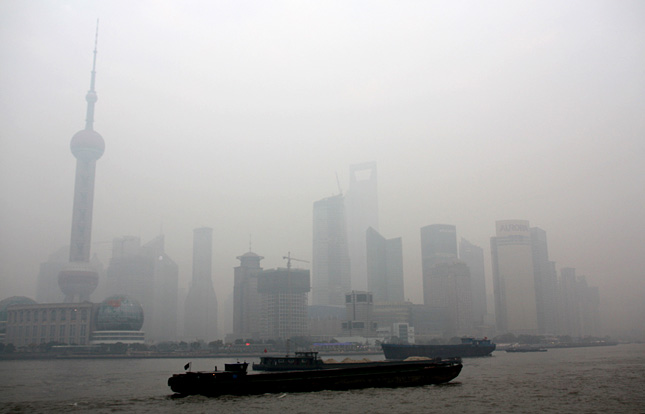
    fishing-boat

    Times are good for Fey Wei Dong. A genial, middle-aged businessman based in Hangzhou, Fey says he is raking in the equivalent of $225,000 a year from trading in the humblest of commodities: sand.

    MORE
  • Military Leaders Urge South Asian Countries to Put Aside Animosities in Face of Common Climate Threat

    ›
    July 6, 2016  //  By Sreya Panuganti
    Climate-Change-S-Asia-Pic

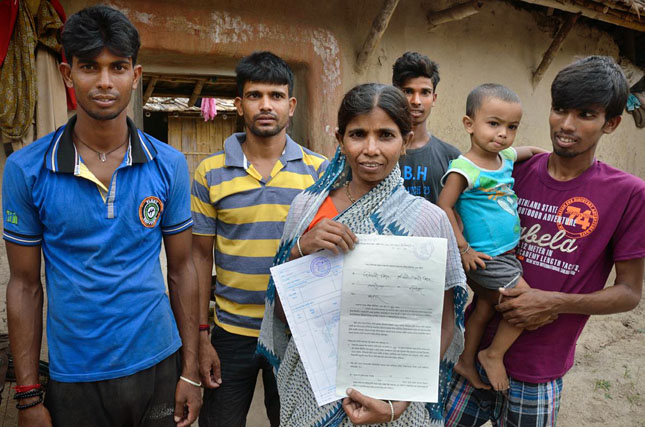
    Despite a long history of confrontation and simmering tensions, three senior retired military leaders from Pakistan, Bangladesh, and India urge the nations of South Asia to unite around a common rising threat in a new report.

    MORE
  • Climate Diplomacy

    Chad Briggs on Managing Environmental Risks and Military, Intelligence, and Diplomacy Roles

    ›
    June 30, 2016  //  By Wilson Center Staff

    The original version of this article appeared on adelphi’s Climate Diplomacy platform.

    Chad Briggs, strategy director of global interconnections and lecturer at the American University in Kosovo, spoke with adelphi about the role of diplomacy as well as that of the intelligence and military communities in reducing disaster risk and vulnerability.

    MORE
  • History’s Largest Generation Isn’t Getting the Health Care It Needs to Thrive

    ›
    Dot-Mom  //  June 29, 2016  //  By Aimee Jakeman
    Ethiopian school

    At 1.8 billion strong, the current generation of 10 to 24 year olds is the largest in human history. Approximately 90 percent of these adolescents live in less developed countries. This poses an unprecedented challenge for health systems and social policies which largely struggle to meet the unique needs of young people, according to a new Lancet commission.

    MORE
  • Africa Has the Demography for Dividends, But Will it Get the Policy Right?

    ›
    From the Wilson Center  //  June 28, 2016  //  By Eunice Mueni
    gold miner

    In recent years, the demographic dividend has garnered enormous traction in African policy circles, and leaders and policymakers have begun to see it as a strategy for achieving their economic growth targets.

    MORE
  • Perception Matters: New Insights Into What Determines Resilience

    ›
    Guest Contributor  //  June 27, 2016  //  By Christophe Béné
    accra

    Resilience is increasingly recognized as a powerful concept to help practitioners, academics, and policymakers better understand how people respond to shocks and stressors, and how those responses can be linked to longer-term positive or negative development outcomes, such as wellbeing or food (in)security.

    MORE
  • In Cities, the New Battlefield for Sustainable Development, Women and Girls Need Help

    ›
    Guest Contributor  //  June 21, 2016  //  By Daniela Ligiero
    Palermo

    Last month, the world came to Copenhagen to focus on how to achieve the Sustainable Development Goals (SDGs) for girls and women. The Women Deliver Conference, the largest gathering on girls’ and women’s health and rights in the last decade, was a huge success. Convening over 5,700 likeminded people from 169 countries was important to reenergize the movement and inspire action. Preaching to the converted is sometimes important. But now it’s time to focus on those who are not yet converted.

    MORE
  • Christopher Golden et al., Nature

    Declining Fisheries Threaten Micronutrient Deficiencies for Millions

    ›
    June 17, 2016  //  By Wilson Center Staff

    The original version of this article, by Christopher Golden et al., appeared on Nature.

    How will the 10 billion people expected to be living on Earth by 2050 obtain sufficient and nutritious food? This is one of the greatest challenges humanity faces. Global food systems must supply enough calories and protein for a growing human population and provide important micronutrients such as iron, zinc, omega-3 fatty acids, and vitamins.

    MORE
Newer Posts   Older Posts
View full site

Join the Conversation

  • RSS
  • subscribe
  • facebook
  • G+
  • twitter
  • iTunes
  • podomatic
  • youtube
Tweets by NewSecurityBeat

Trending Stories

  • unfccclogo1
  • Pop at COP: Population and Family Planning at the UN Climate Negotiations

Featured Media

Backdraft Podcast

play Backdraft
Podcasts

More »

What You're Saying

  • Volunteers,At,The,Lagos,Food,Bank,Initiative,Outreach,To,Ikotun, Pan-African Response to COVID-19: New Forms of Environmental Peacebuilding Emerge
    Rashida Salifu: Great piece 👍🏾 Africa as a continent has suffered this unfortunate pandemic.But it has also...
  • A desert road near Kuqa An Unholy Trinity: Xinjiang’s Unhealthy Relationship With Coal, Water, and the Quest for Development
    Ismail: It is more historically accurate to refer to Xinjiang as East Turkistan.
  • shutterstock_1779654803 Leverage COVID-19 Data Collection Networks for Environmental Peacebuilding
    Carsten Pran: Thanks for reading! It will be interesting to see how society adapts to droves of new information in...

What We’re Reading

  • Rising rates of food instability in Latin America threaten women and Venezuelan migrants
  • Treetop sensors help Indonesia eavesdrop on forests to cut logging
  • 'Seat at the table': Women's land rights seen as key to climate fight
  • A Surprise in Africa: Air Pollution Falls as Economies Rise
  • Himalayan glacier disaster highlights climate change risks
More »
  • woodrow
  • ecsp
  • RSS Feed
  • YouTube
  • Twitter
  • Facebook
  • Home
  • Who We Are
  • Publications
  • Events
  • Wilson Center
  • Contact Us
  • Print Friendly Page

© Copyright 2007-2021. Environmental Change and Security Program.

Woodrow Wilson International Center for Scholars. All rights reserved.

Developed by Vico Rock Media

Environmental Change and Security Program

Woodrow Wilson International Center for Scholars

Ronald Reagan Building and International Trade Center

  • One Woodrow Wilson Plaza
  • 1300 Pennsylvania Ave., NW
  • Washington, DC 20004-3027

T 202-691-4000