-
Engineering the Climate—or Deploying Disaster? Applying Just War Theory to Geoengineering
›
As the national security ramifications of climate change grow more pronounced, climate manipulation technologies, known as geoengineering, will become more attractive as a method of staving off climate-related security emergencies. However, geoengineering technologies could disrupt the global ecological status quo, and could pose a potentially coercive (and very serious) threat to peace. Is it possible to obtain the potential benefits of these game-changing technologies, while avoiding spurring violence and conflict? In a recent article in Strategic Studies Quarterly, we argue that just war theory—which defines the concepts of “right” and “wrong” in warfare—could provide ethical standards for security decision-makers as they consider whether or how geoengineering should be used to address the climate challenge.
-
COP-23: Can More Transparency, New Technology Save Small Island States?
›
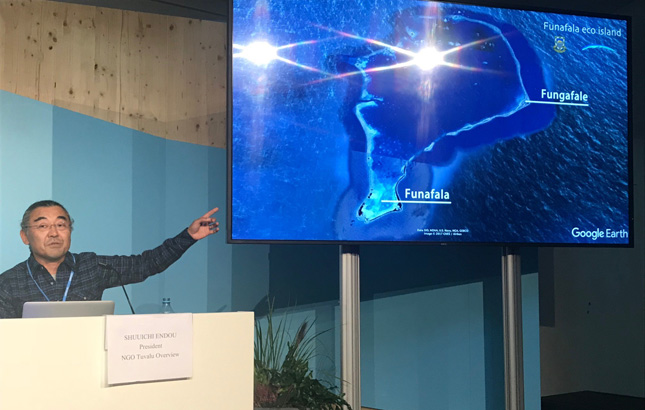
As the Climate Conference of Parties (COP-23) wraps up in Bonn, Germany, the prime minister of the tiny Pacific island nation of Tuvalu, which is sinking a few millimeters every year, made an impassioned call for transparency in the Paris Agreement “rule book” and for ratcheting up worldwide ambitions to reduce climate change. While informal texts were drafted to guide implementation of the historic 2015 Paris Agreement, formal adoption of these rules will have to wait until COP-24, to be held in Poland next year.
-
The UN Wants to Respond to Climate Change and Prevent Conflict, But When?
›A slightly modified version of this article originally appeared on the Resilience Compass.
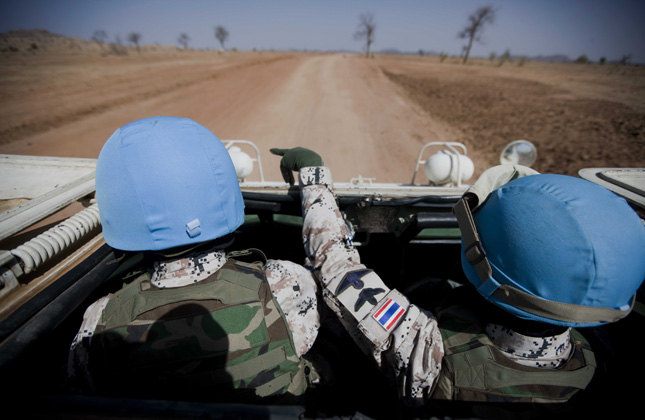
Climate change, civil conflict, and violent extremism are among the most significant threats to human development, peace, and security around the globe. Addressing all three requires immediate action by the United Nations to prevent future crises, yet crucial investments may not yield tangible results for years to come—well beyond democratic term limits.
-
Dr. Babatunde Osotimehin, An Inspirational and Aspirational Leader for Today’s Youth, Has Passed
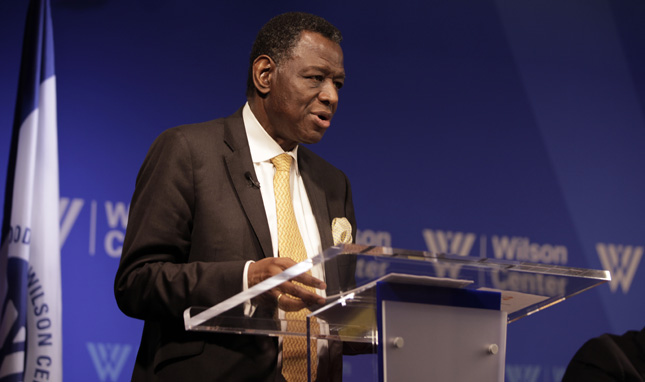
›June 6, 2017 // By Wilson Center StaffDr. Babatunde Osotimehin, the executive director of UNFPA and an inspiring leader in the global health community, passed at his home on June 4 at the age of 68.
-
Social Justice or Forest Conservation? Cross-Regional Comparisons Reveal a False Trade-Off
›The present understanding of the relationship between environmental conservation and social justice, two of the greatest challenges of our times, is fraught with multiple confusions, especially in the context of developing countries.
-
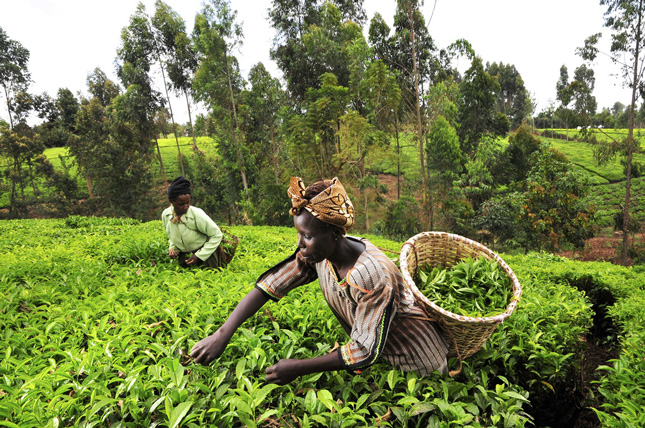
Food Violence Shows Need for Both Development and Climate Resilience
›In March, the Trump Administration released a new budget proposal that would cut funding to the Department of State and U.S. Agency for International Development by 28 percent. The proposal also reduces funding to the United Nations for ongoing climate change efforts. At the same time, the White House is publicly considered withdrawing from the Paris Climate Accords, with a final decision anticipated any day. Critics both outside the administration and within have pointed to the drawbacks of these moves, but the sum of the policy changes could have an even greater impact than the individual parts.
-
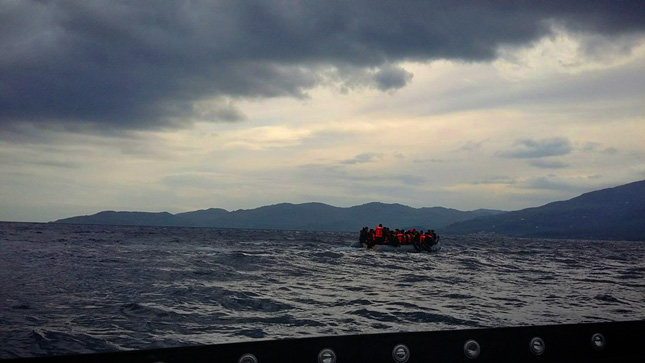
The Deadly “Humanitarian Ping-Pong” of Refugee Rescue at Sea
›In 2013, a boat capsized 61 miles from the Italian island of Lampedusa killing 268 refugees including 60 children. It was another horrific example of the risks taken by so many families fleeing violence in the Middle East and Africa. But recently released tapes of conversations with coast guard authorities reveal a deeper tragedy.
-
Blair A. Ruble, Urban Sustainability Laboratory
Making Cities Work as Holistic Communities of Promise
›Shortly after the completion of the Empire State Building, the novelist F. Scott Fitzgerald was shattered by a visit to its observation deck. “Full of vaunting pride,” he wrote, “the New Yorker had climbed here, and seen with dismay what he had never suspected. That the city was not the endless succession of canyons that he had supposed, but that it had limits, fading out into the country on all sides into an expanse of green and blue. That alone was limitless. And with the awful realization that New York was a city after all and not a universe, the whole shining edifice that he had reared in his mind came crashing down.”
Showing posts from category UN.