-
Roger-Mark De Souza on the Paris Climate Agreement, With or Without the U.S.
›“A lack of U.S. government support for the Paris climate agreement will mean that the United States will further isolate itself from international collaboration and cooperation on multiple fronts. It will affect U.S. security, the provision of jobs; U.S. business operations, and U.S. diplomatic efforts. The agreement, because it has a broad basis of support, will continue with or without the United States.”
-
Risk, But Also Opportunity in Climate Fragility and Terror Link
›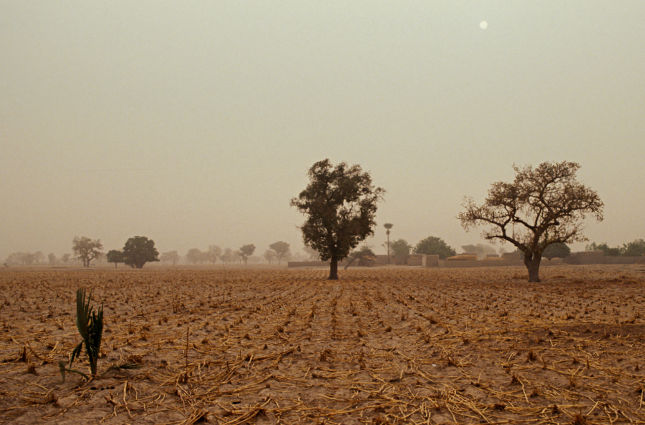
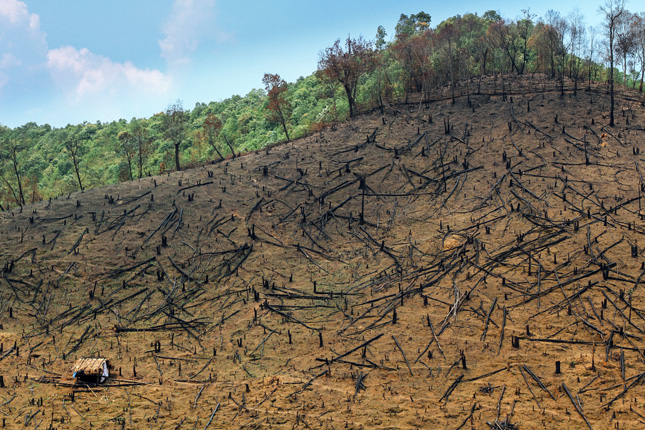
In a recent article for New Security Beat, Colin Walch made the case that the abandonment of some communities in Mali to deal with climate change on their own has created “fertile ground” for jihadist recruitment. In a similar argument, Katharina Nett and Lukas Rüttinger in a report for adelphi asserted last month that “large-scale environmental and climatic change contributes to creating an environment in which [non-state armed groups] can thrive and opens spaces that facilitate the pursuit of their strategies.”
-
The Business Case for Sustainable Development Is Real and Growing
›In 2000, the United Nations established the Millennium Development Goals (MDGs) with the goal of creating a global partnership for development. The formation of the MDGs created a foundation for collaboration and encouraged cross-sector partnerships to reduce poverty but also promote issues like environmental sustainability and gender equality. To carry on momentum from the MDGs, 17 Sustainable Development Goals (SDGs) were established in 2015 to further encourage partnerships between civil society organizations, the private sector, academic institutions, and more. Increased private sector engagement in development is a major goal of the SDGs – and we would argue that it is crucial to their success.
-
Caribbean Governments Huddle to Discuss Climate Adaptation Plans
›As more climate change seems locked in – some estimates suggest a 1.5-degree Celsius (2.5 degree Fahrenheit) rise above pre-Industrial averages is guaranteed – more governments are allocating resources to adaptation. Caribbean communities that contribute very little to climate change are some of the most vulnerable, and representatives from many met in October 2016 in Grenada to share experiences and build technical capacity.
-
Violence and Water Scarcity Threaten Historic Quadruple Famine
›
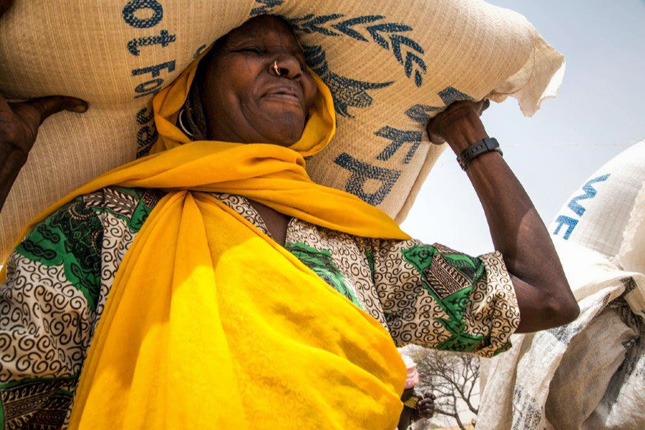
An international food crisis is currently unfolding on a scale not seen since World War II. More than 20 million people in Somalia, Nigeria, South Sudan, and Yemen are in danger of famine. UN Under-Secretary-General and Emergency Relief Coordinator Stephen O’Brien said in March, “We are facing the largest humanitarian crisis since the creation of the United Nations.”
-
What’s in a Label? Lessons on Advancing Global Health Goals From Corporate Green Standards
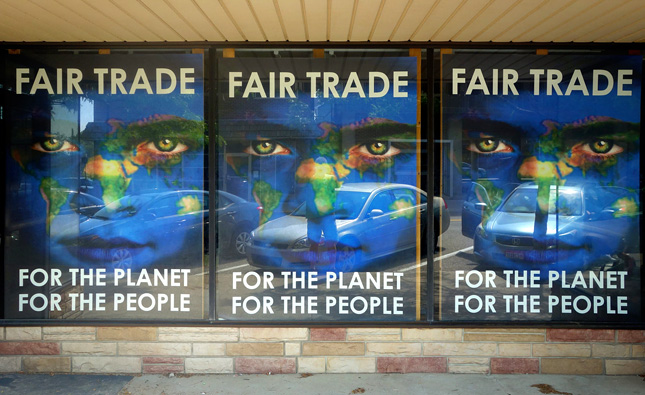
›As you walk through the supermarket, you’ve probably noticed labels like “Rainforest Alliance Certified,” “Fair Trade,” or “Green Seal.” These certifications were created to help consumers use their purchasing power to reward companies that treat workers fairly and limit their harm to the environment. What’s missing is health, particularly women’s health. Too often these standards focus narrowly on occupational safety rather than addressing broader, but relevant, health needs of workers.
-
15 Years of Environmental Peacemaking: Overcoming Challenges and Identifying Opportunities for Cooperation
›As the 1990s drew to a close, there was a sense that much of the momentum gained at the first Earth Summit on sustainable development, a positive, affirming environmental narrative, was waning.
-
As More Aid Flows to Fragile States, a Call for a Better Approach
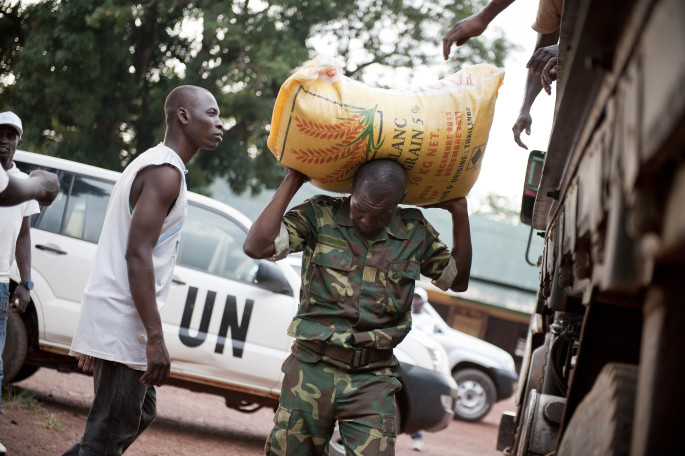
›March 7, 2017 // By Sreya PanugantiGlobal poverty has been reduced dramatically over the past two decades. Less than 11 percent of the world’s population were living in extreme poverty in 2013 compared to 35 percent in 1990. But improvements have largely come in stable countries. Many of the remaining pockets of extreme poverty are in “fragile states,” countries that are vulnerable to internal and external shocks and can easily tip into crisis when faced with an environmental, economic, social, or political change.
Showing posts from category UN.