

-
Water for the Most Vulnerable Could Help Stop Spread of Covid-19
›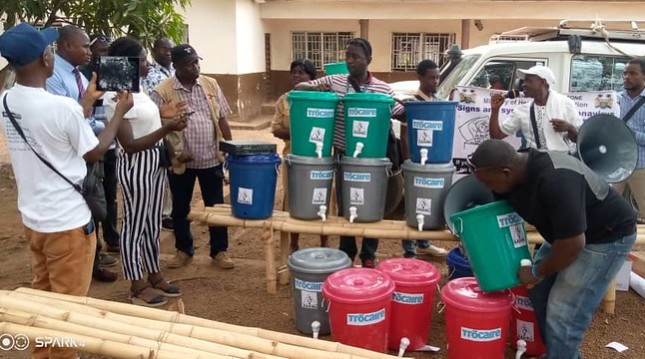
Development specialists are sounding the alarm. The pandemic will not be stopped unless we provide safe water to the world’s most vulnerable people, according to UN experts. Soap and clean water are part of the arsenal of weapons we can deploy on the frontlines of the battle to halt the virus’ spread. Yet Covid-19 continues to pose an unprecedented threat to more than 2 billion of the world’s poorest people who lack the access to safe water, sanitation, and health services (WASH) needed to protect them during infectious disease outbreaks, according to the World Health Organization.
-
To Address Climate Risks, Advance Climate Security in the United Nations
› Climate change is widely recognised as one of the major forces shaping the future. Climate impacts illustrate in stark clarity how human actions fundamentally affect the basic physical processes of the planet with vast and, in the worst cases, disastrous consequences for communities around the world. Given these profound impacts, climate change is increasingly treated as a security risk. As a changing climate is causing and will continue to cause diverse impacts across the globe, the associated security challenges are multifaceted. They involve human, community, state, and international security risks, and will require responses across all levels of decision-making, from the local to international.
 -
Mountain Regions, ‘Taking the Heat,’ Face Growing Hazards As Ice Melts, UN Climate Panel Warns
›Rising concentrations of heat-trapping greenhouse gases in the atmosphere are reshaping the world from the top down, according to a special report on the world’s oceans and frozen regions from the United Nations climate panel.
-
Achieving the SDGs: Three New UN Reports Call for Reoriented Policy Priorities
›This summer, United Nations agencies published three reports that offer a sobering assessment of the current state of international security and development, focusing on multidimensional poverty, hunger, and forcible displacement. As some countries succeed in steadily improving the living conditions of their most vulnerable populations, others have struggled to overcome sustained episodes of political instability and violent conflict. Together, the reports affirm the urgency with which the international community must reorient its policy priorities and take action to achieve the Sustainable Development Goals (SDGs) by 2030.
-
From Resolution to Solution: UNEA’s Unique Opportunity to Tackle Environmental Dimensions of Armed Conflicts
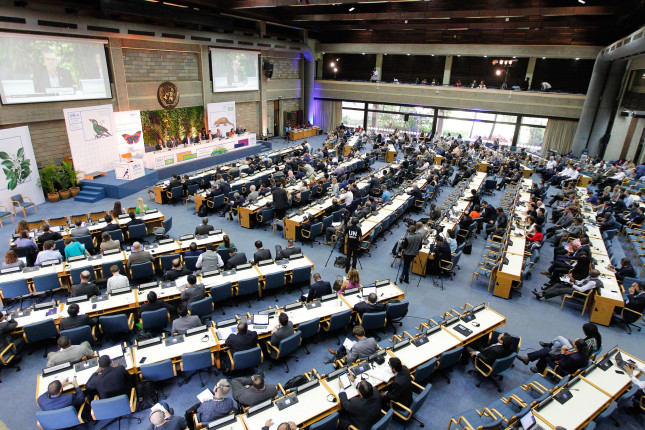
›When the Fourth Session of the UN Environment Assembly (UNEA-4) takes place in Nairobi starting March 11, governments, international organizations, and civil society organizations will discuss issues on the theme of innovative solutions for environmental challenges and sustainable consumption and production with over 30 draft resolutions submitted for discussion. With few international forums where the environmental dimensions of conflict can be properly discussed, we were optimistic about the past resolutions tackling this topic.
-
Security Council Debates how Climate Disasters Threaten International Peace and Security
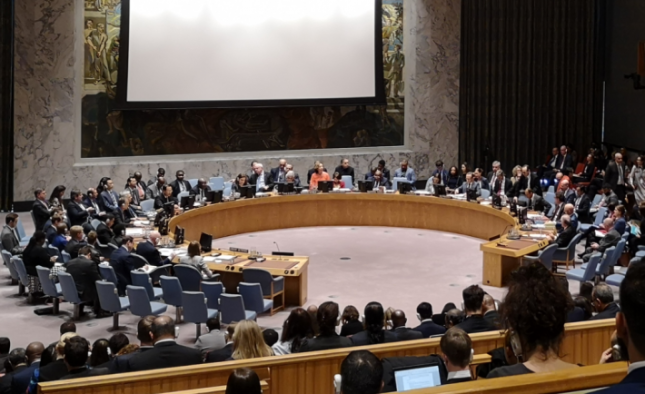
›On 25 January 2019, the UN Security Council held an open debate to discuss the security implications of climate-related disaster events. The meeting, initiated by the Dominican Republic, underscored the global nature of climate-related disasters. Most speakers highlighted the need for better climate risk management as an important contribution to safeguarding international peace and security. The debate marks the beginning of a year in which climate security ranks high on the UN’s agenda.
-
Europe Takes the Lead in Climate, Energy, and Security
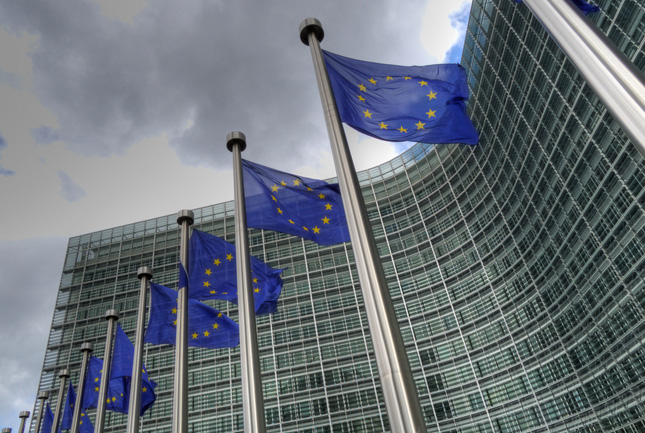
›With the tumultuous NATO summit and a simmering trade war dominating stateside headlines last month, the European Union’s progress on climate-security connections has received little attention. After the U.S. government rolled back its significant efforts in early 2017, the EU and its leading members—particularly Sweden and Germany—picked up the ball. Three significant events herald what could be the start of a new era of climate-security policymaking—one under European leadership.
-
This Indian Women’s Union Invented a Flexible Childcare Model
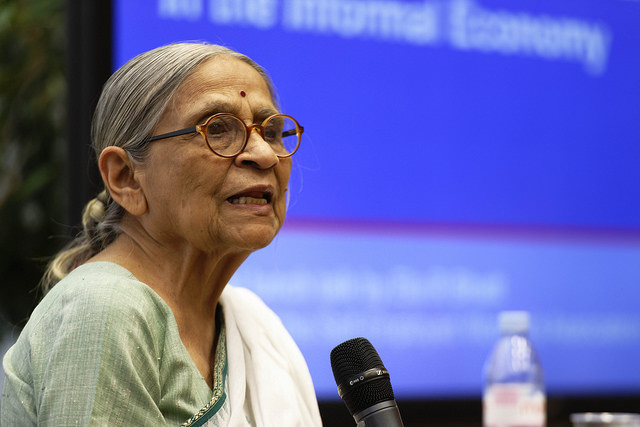
›In 1971, the wives of textile workers in Ahmedabad, western India, became the main earners in their families overnight, after several large textile mills closed down. They were part of the 94 percent of India’s female labor force working in the informal sector—recycling waste, embroidering fabric, and selling vegetables—and thus they remained largely invisible to the government and to formal labor unions. In response, Ela Bhatt, a young lawyer, met with 100 of the women in a public park to establish the Self-Employed Women’s Association (SEWA), which would later register as a trade union and swell to the two million members it boasts today.
Showing posts from category UN.
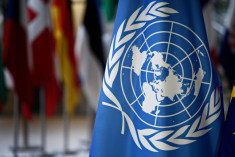 Climate change is widely recognised as one of the major forces shaping the future. Climate impacts illustrate in stark clarity how human actions fundamentally affect the basic physical processes of the planet with vast and, in the worst cases, disastrous consequences for communities around the world. Given these profound impacts, climate change is increasingly treated as a security risk. As a changing climate is causing and will continue to cause diverse impacts across the globe, the associated security challenges are multifaceted. They involve human, community, state, and international security risks, and will require responses across all levels of decision-making, from the local to international.
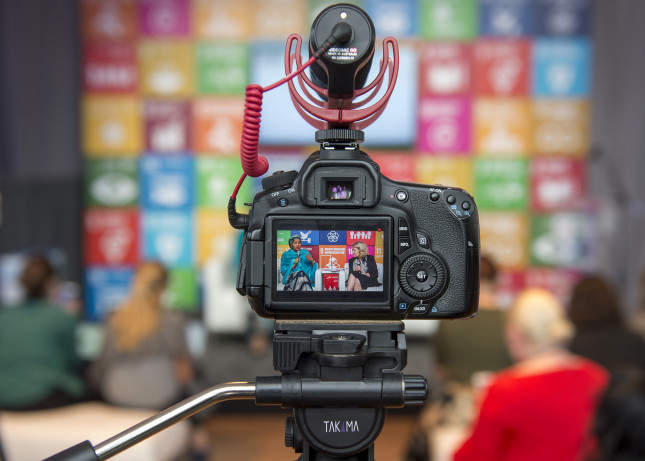
 In 1971, the wives of textile workers in Ahmedabad, western India, became the main earners in their families overnight, after several large textile mills closed down. They were part of the 94 percent of India’s female labor force working in the informal sector—recycling waste, embroidering fabric, and selling vegetables—and thus they remained largely invisible to the government and to formal labor unions. In response, Ela Bhatt, a young lawyer, met with 100 of the women in a public park to establish the Self-Employed Women’s Association (SEWA), which would later register as a trade union and swell to the two million members it boasts today.

