-
COVID-19 Reignites Interest in Scenario Planning for Development … But Will It Last?
›
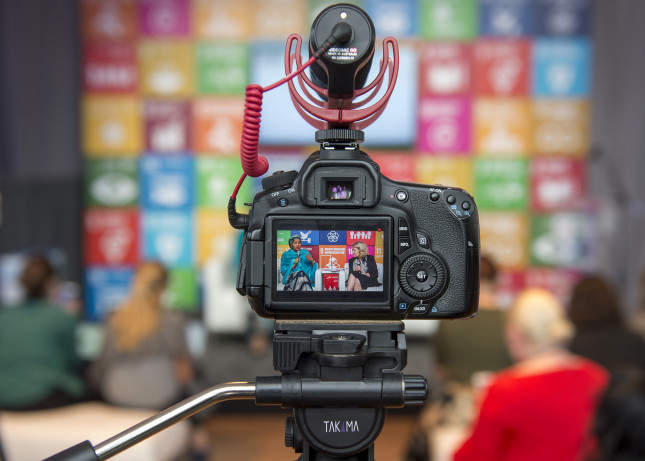
Not since COVID-19 burst onto the scene a few months ago have so many individuals and institutions, outside the business, military, and intelligence communities, woken up to the need for a smart way to characterize and communicate uncertainty. The overwhelming choice for many is scenario planning. Today, scenario planning applies to a wide spectrum of issues, not just international development. It has been used to anticipate changes in higher education, rethink workforce composition, and explore options for individual financial planning.
-
Reports Highlight the Need for Further Consideration of Gender, Climate, and Security Linkages
› In a recent Stockholm International Peace Research Institute (SIPRI) paper, Elizabeth Seymour Smith, a Research Assistant with SIPRI’s Climate Change and Risk Programme, explores the intersection of climate change, gender, and security in Women, Peace and Security (WPS) national action plans (NAPs) of 80 countries. Using qualitative content analysis, the article finds that states frame and respond to climate change and gender-based security in differing ways.
 -
Improve Biodiversity Conservation, Enhance Public Health and Food Security
›Our collective development objectives will not be achieved if they come at the expense of biodiversity and natural resource management, said Jeff Haeni, Acting Deputy Assistant Administrator in the Bureau for Economic Growth, Education, and Environment at USAID. He spoke at a recent Wilson Center virtual event, co-hosted with USAID, that explored the links between conservation and public health with examples from USAID’s BRIDGE project, which aims to build the evidence base for integrating biodiversity conservation considerations into policy discussions and decision-making across sectors. “The ability of societies around the world to develop and thrive is dependent on the health of the forests, fisheries, and natural systems around them,” he said.
-
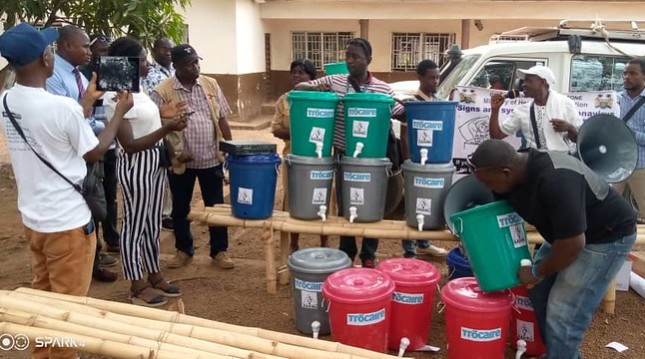
Water for the Most Vulnerable Could Help Stop Spread of Covid-19
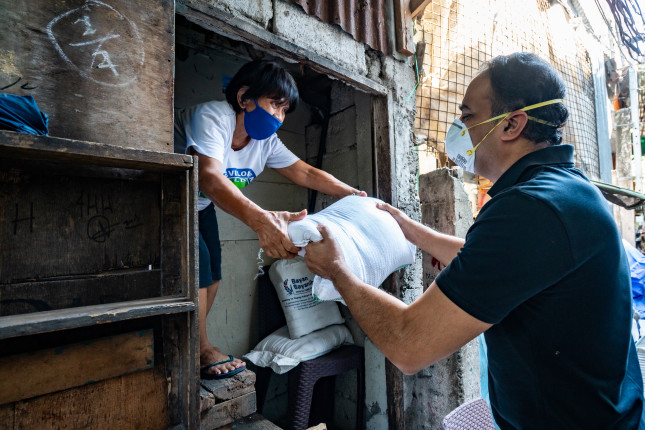
›Development specialists are sounding the alarm. The pandemic will not be stopped unless we provide safe water to the world’s most vulnerable people, according to UN experts. Soap and clean water are part of the arsenal of weapons we can deploy on the frontlines of the battle to halt the virus’ spread. Yet Covid-19 continues to pose an unprecedented threat to more than 2 billion of the world’s poorest people who lack the access to safe water, sanitation, and health services (WASH) needed to protect them during infectious disease outbreaks, according to the World Health Organization.
-
Listen to Midwives to Achieve Universal Health Coverage by 2030
›What is inherent in the word “universal,” is that it is for all women, said Anneka Knutsson, Chief of the Sexual and Reproductive Health Branch at the United Nations Population Fund (UNFPA), at a recent Wilson Center event on the importance of midwives in achieving universal health coverage. -
To Address Climate Risks, Advance Climate Security in the United Nations
›Climate change is widely recognised as one of the major forces shaping the future. Climate impacts illustrate in stark clarity how human actions fundamentally affect the basic physical processes of the planet with vast and, in the worst cases, disastrous consequences for communities around the world. Given these profound impacts, climate change is increasingly treated as a security risk. As a changing climate is causing and will continue to cause diverse impacts across the globe, the associated security challenges are multifaceted. They involve human, community, state, and international security risks, and will require responses across all levels of decision-making, from the local to international. -
Mountain Regions, ‘Taking the Heat,’ Face Growing Hazards As Ice Melts, UN Climate Panel Warns
›Rising concentrations of heat-trapping greenhouse gases in the atmosphere are reshaping the world from the top down, according to a special report on the world’s oceans and frozen regions from the United Nations climate panel.
-
Achieving the SDGs: Three New UN Reports Call for Reoriented Policy Priorities
›This summer, United Nations agencies published three reports that offer a sobering assessment of the current state of international security and development, focusing on multidimensional poverty, hunger, and forcible displacement. As some countries succeed in steadily improving the living conditions of their most vulnerable populations, others have struggled to overcome sustained episodes of political instability and violent conflict. Together, the reports affirm the urgency with which the international community must reorient its policy priorities and take action to achieve the Sustainable Development Goals (SDGs) by 2030.
Showing posts from category zz Organizations.
 In a
In a 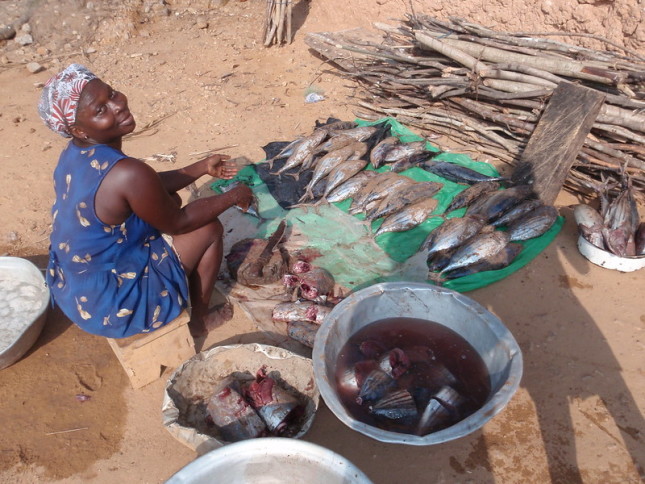
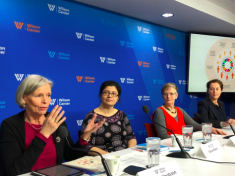 What is inherent in the word “universal,” is that it is for all women, said Anneka Knutsson, Chief of the Sexual and Reproductive Health Branch at the
 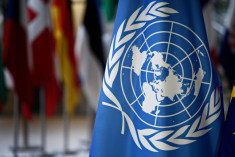 Climate change is widely recognised as one of the major forces shaping the future. Climate impacts illustrate in stark clarity how human actions fundamentally affect the basic physical processes of the planet with vast and, in the worst cases, disastrous consequences for communities around the world. Given these profound impacts, climate change is increasingly treated as a security risk. As a changing climate is causing and will continue to cause diverse impacts across the globe, the associated security challenges are multifaceted. They involve human, community, state, and international security risks, and will require responses across all levels of decision-making, from the local to international.