

-
The Resurgence of Indigenous Midwifery in Canada, New Zealand, and Mexico
› Globally, Indigenous women experience worse maternal health outcomes than non-Indigenous women. In the United States, the risk of maternal death is twice as high for Native women than for white women, while in Australia the risk is four and a half times higher. This week’s Friday Podcast highlights remarks from a recent Wilson Center event with the United Nations Population Fund (UNFPA) and the International Confederation of Midwives about Indigenous midwifery.
 -
The Environmental Collateral Damage of the South China Sea Conflict
›Tensions in the South China Sea increased last April when a Chinese coast guard ship sank a Vietnamese fishing boat near the Paracel Islands—a fiercely disputed territory in the South China Sea. Disputes over island territories in the region have endured for decades, with China, Vietnam, the Philippines, Taiwan, Indonesia, Malaysia, and Brunei all making overlapping territorial claims. The region is rich in natural resources and biodiversity, holding vast fish stocks and an estimated 11 billion barrels of oil and 190 cubic feet of natural gas.
-
Agriculture’s Achilles’ Heel: Water Insecurity Is the Greatest Threat to Sustaining Global Food Production
›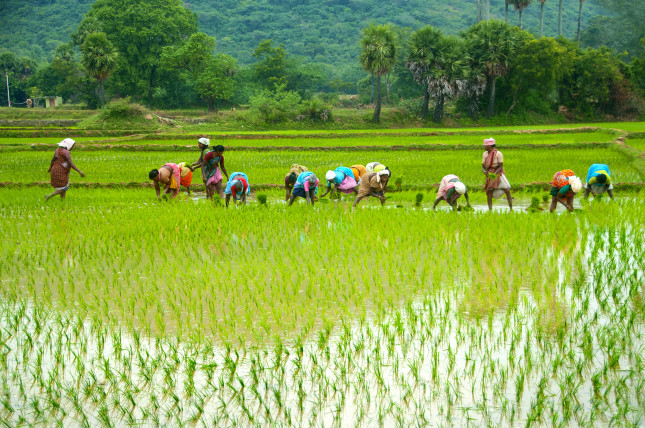
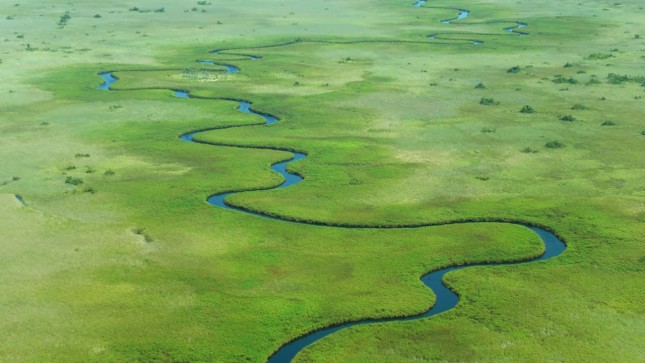
Simply put, without water there is no food. Global food and nutritional security require resilient agricultural systems, which, in turn, depend on reliable and sustainable supplies of freshwater, whether from rainfall or irrigation. It is an often-neglected dependency, and one that threatens to undermine our ability to meet our future food needs and maintain the ecosystems upon which all life depends.
-
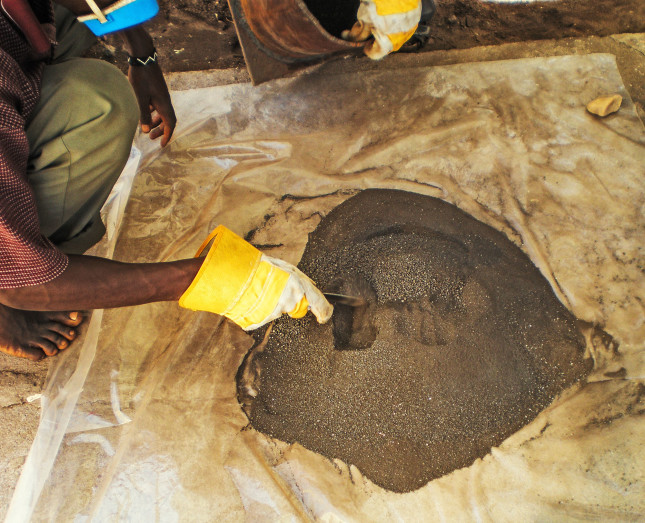
Many Companies Struggle to Comply with Conflict Mineral Reporting Rules
›“The exploitation of the mining and trade of conflict minerals in the eastern DRC [Democratic Republic of the Congo] has contributed to instability, violence, displacement of people, and severe human rights abuses,” says the Government Accountability Office (GAO) in its annual report, Conflict Minerals: Actions Needed to Assess Progress Addressing Armed Groups’ Exploitation of Minerals. The report examines a sample of filings from 1,083 companies that submitted conflict mineral disclosures required by the Securities and Exchange Commission (SEC) in 2019.
-
The Global Impact of COVID-19 on Women and Girls
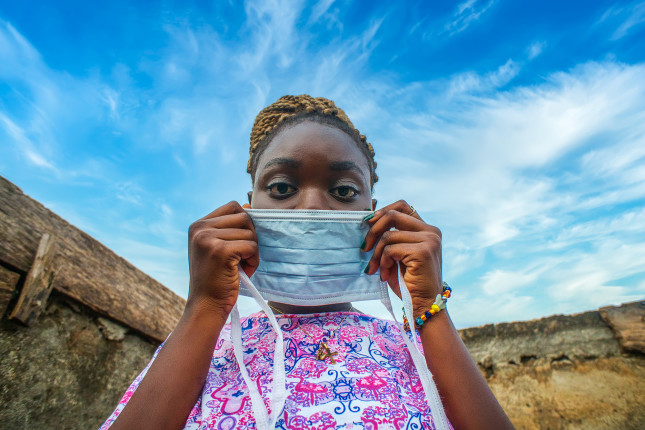
›“As we face a global pandemic that has taken the lives of more than 800,000 people as of right now around the world, we certainly have to recognize the particular impacts that that has had on women and girls and their lives,” said Rep. Chrissy Houlahan (D-PA), at a recent event hosted by CARE and UNFPA about the global impact of COVID-19 on women and girls. While women make up 70-80 percent of frontline healthcare workers globally, they have also been disproportionately affected during the pandemic by increased rates of gender-based violence, lack of access to sexual and reproductive healthcare, and economic and food insecurity.
-
USAID’s New Center for Water Security Signals Progress, But More is Needed
›As the COVID-19 crisis grew this spring, the U.S. Agency for International Development (USAID) revamped its Water Office, renamed it as the Center for Water Security, Sanitation, and Hygiene, and added it to the Bureau for Resilience and Food Security, home to the Feed the Future Initiative.
Placing the Center for Water Security in the Bureau for Resilience and Food Security was a strategic shift. With 70 percent of freshwater use designated for agriculture, this move elevates water as an integral component of resilience and food security. Referencing water security in the Center’s name also highlights the need for water supplies to be managed sustainably and the role that water plays in resilience and peace.
-
Refugees and COVID-19: A Closer Look at the Syrian and Rohingya Crises
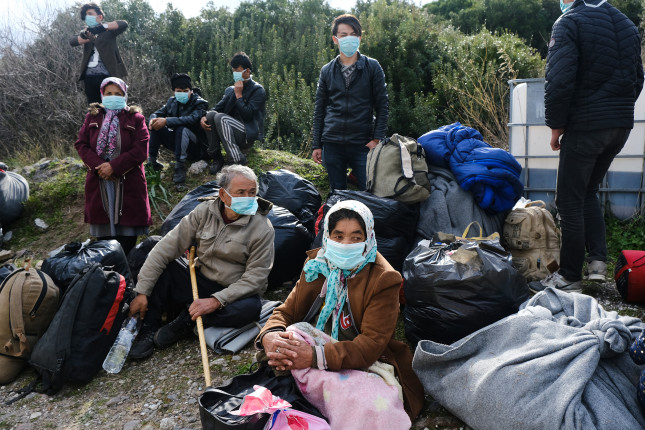
›“We all know that while no one is immune from the Covid-19 virus—and people of all types have caught the virus and died from it—it is the world’s most vulnerable communities that have suffered disproportionately from the pandemic,” said Michael Kugelman, Deputy Director and Senior Associate for the Wilson Center’s Asia Program. He spoke at a recent Wilson Center event on the impact of the COVID-19 pandemic on refugee communities. As of 2019, 1 percent of humanity was displaced. That’s more than 79.5 million people. The COVID-19 pandemic has exacerbated the vulnerabilities of these people. “The health pandemic is fostering a new pandemic of poverty,” said Matthew Reynolds, Regional Representative for the U.S. and the Caribbean at the United Nations High Commissioner for Refugees (UNHCR).
-
Preventing the Next Pandemic: Zoonotic Diseases and Future Outbreaks
›To recover from the devastating impacts of COVID-19, we will need to understand the risks and environmental factors that caused the novel coronavirus and other zoonotic diseases to emerge in the first place, according to a new report by the United Nations Environment Programme and the International Livestock Research Institute. The report, Preventing the Next Pandemic – Zoonotic Diseases and How to Break the Chain of Transmission, examines the root causes of the COVID-19 pandemic and other zoonotic diseases. It also explores the complex linkages between biological and non-living factors that impact our global ecosystem and spread diseases.
Showing posts from category zz Organizations.
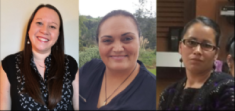 Globally, Indigenous women experience worse maternal health outcomes than non-Indigenous women. In the United States, the risk of maternal death is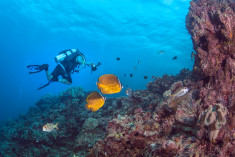
 To recover from the devastating impacts of COVID-19, we will need to understand the risks and environmental factors that caused the novel coronavirus and other zoonotic diseases to emerge in the first place, according to a new report by the United Nations Environment Programme and the International Livestock Research Institute. The report,

