-
“Multilateralism is Back!” Climate Change, Equity, and 21st Century Diplomacy
›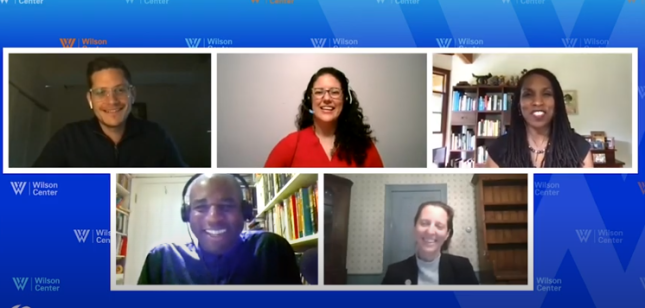
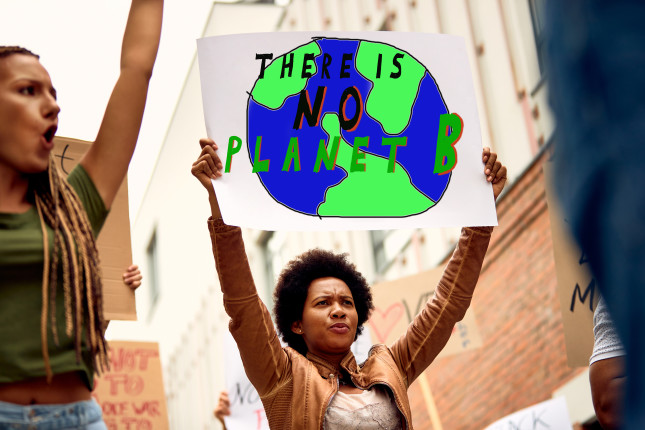
“Climate change will upend the 21st century world order. From financial systems, migration patterns, and great power competition, to the potential unintended consequences of climate responses, and issues of inequity and the future of democracy, climate change will penetrate our systems, our relationships, and our lives in ways that we have yet to fully understand,” said Lauren Risi, Director of the Wilson Center’s Environmental Change and Security Program, at a recent event co-hosted by the Wilson Center and adelphi. The panel discussion focused on two topics addressed in the recently launched 21st Century Diplomacy project—how efforts to address climate change will engage new modes of multilateralism and how to incorporate the increasingly urgent calls for a more equitable and just world.
-
More Midwife-based Interventions Could Save Millions of Lives
›
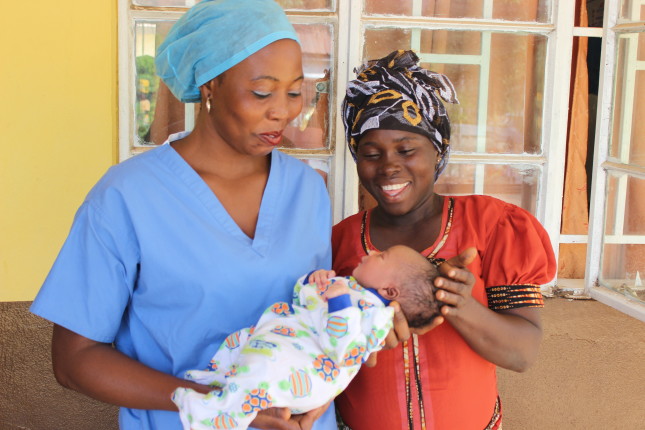
“This is real,” said Franka Cadée, President of the International Confederation of Midwives (ICM). “And we can no longer get around it. And we can no longer linger.” She spoke at a recent Wilson Center event, in partnership with the United Nations Population Fund (UNFPA) and Johnson & Johnson, launching a new study, Impact of Midwives, published in The Lancet Global Health. If any other intervention could have the same impact as midwives or midwifery, it would be implemented worldwide immediately, she said.
-
Reducing the Risk of Pandemic Disease Threats Through Multisectoral Action
›“No single individual, discipline, sector or ministry can preempt and solve complex health problems.”
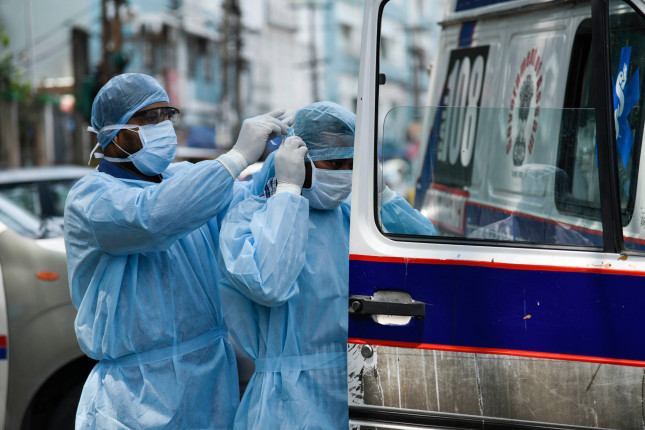
The COVID-19 pandemic underscores the importance of multisectoral action to contain and mitigate the effects of the virus. Presently, during crisis conditions or “war time,” in the language of outbreak experts, multisectoral efforts—including actions traversing health, education, labor, finance and other sectors—are readily apparent. But when policymakers perceive crises have passed, during so-called “peacetime,” governance structures that enable multisectoral collaboration tend to diminish or languish.
-
Largest Polar Expedition Ever Seeks to Explain Shrinking Arctic Sea Ice
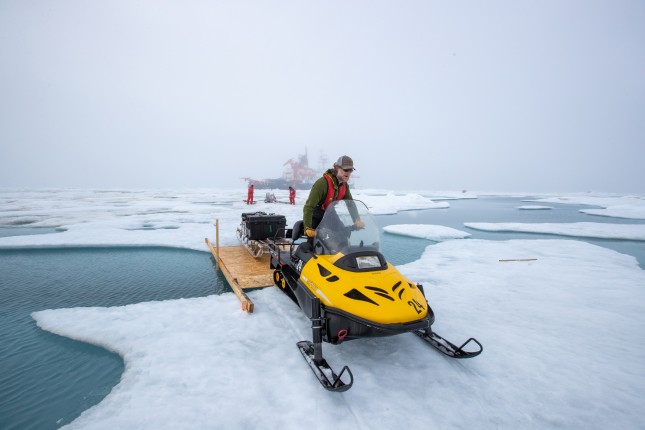
›“If you’re a sea ice person, MOSAiC is the kind of experiment that you just live for,” said Don Perovich, a Dartmouth College researcher with the Multidisciplinary drifting Observatory for the Study of Arctic Climate. “It’s the kind of experiment you dream about. It’s an opportunity to spend a whole year on the ice, just watching how a floe evolves over time.” He spoke at a recent event sponsored by IARPC Collaborations, an Interagency Arctic Research Policy Committee (IARPC) member space where scientists and others involved in Arctic research share knowledge and resources. The researchers on the expedition, said Perovich, aimed to collect data that would shed light on the causes and consequences of the evolving and diminished Arctic sea ice cover. MOSAiC’s mission was to facilitate a breakthrough in understanding the Arctic climate system and improve the world’s climate and weather forecasting models.
-
Integrate Gender When Designing Climate Policy
›The team of people tasked with coordinating the global climate change negotiations for the 26th UN Climate Change Conference (COP26) in 2021, we recently learned, consists entirely of men. While not surprising to many feminists in this space, this blatant disregard of gender diversity and women’s perspectives in climate policy is all too common. And it reflects broader ignorance of how gender and climate change intersect.
-
Why Secondary Cities Deserve More Attention
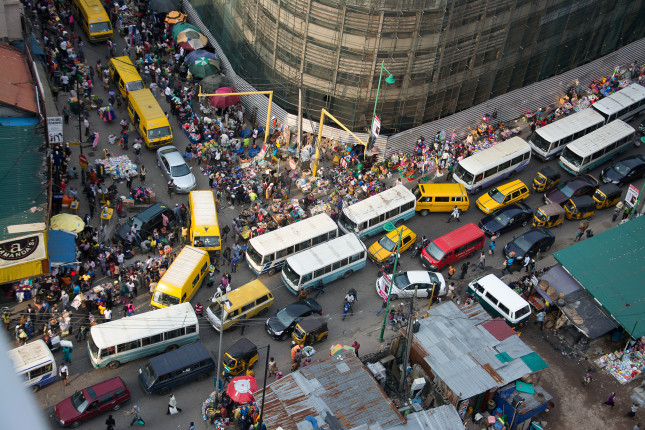
›Mention London, Rome, or New York, and people immediately conjure up Big Ben, the Colosseum, the Statue of Liberty. Beijing, Cairo, Mumbai? Check. They’ve heard of them. Megacities, the ones with lots of history, lots of people, and an oversized impact on the economy and culture, tend to be well-known.
Fewer people may know much about Addis Ababa, Dhaka, Lagos, or São Paulo — yet many would recognize the names. But who knows or has been to Darkhan, Mongolia or Santa Fe, Argentina or Boké-Kamsar in Guinea?
-
In Sub-Saharan Africa, Community Health Workers Support Sustainable Health Systems and COVID-19 Response
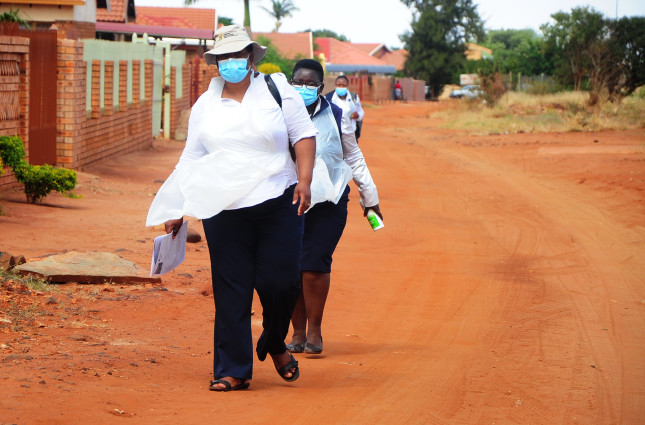
›“If there’s one message, it’s health systems need to be resilient, agile, and equitable,” said Uzma Alam, a researcher at the Africa Institute for Health Policy Foundation and Senior Program Officer of the Africa Academy of Sciences. “No one person, no one community, no one minority can be left behind. After all, your health system is as agile, as resilient as your weakest link.” She spoke at a recent Wilson Center event co-sponsored with the Population Institute, “Lessons from Africa: Building Resilience through Community-Based Health Systems.” The event focused on how locally led interventions improved the resilience and responsiveness of health systems in sub-Saharan Africa.
-
Climate Superpowers Could Alter Foreign Policy Landscape
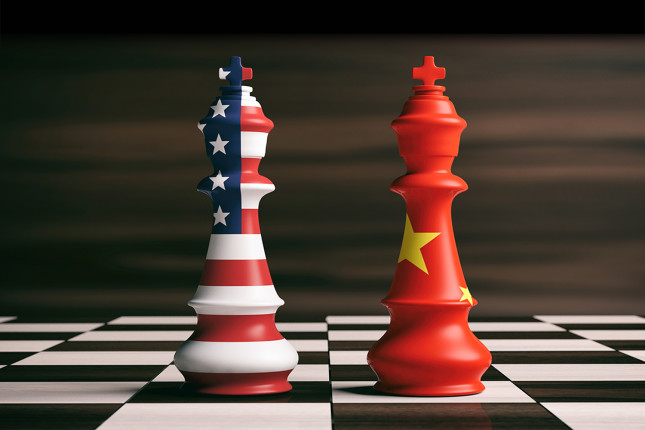
›“Climate change has the potential to be a very important confidence-building measure between the United States and China,” said Sharon Burke, Senior Advisor of the International Security Program and Resource Security Program at New America. “Because no matter what else is happening in our relationship, we can succeed together on climate change.” She spoke at the launch for a project co-led by the Wilson Center’s Environmental Change & Security Program and adelphi, “21st Century Diplomacy: Foreign Policy is Climate Policy.” Hosted as part of the Berlin Climate and Security Conference, the discussion focused on the “climate superpowers” section of the project.
Showing posts from category zz Organizations.