-
The MEDEA Legacy: Darkened Data Shed Light on a Changing Planet and Environmental Security
›March 27, 2019 // By Evan Barnard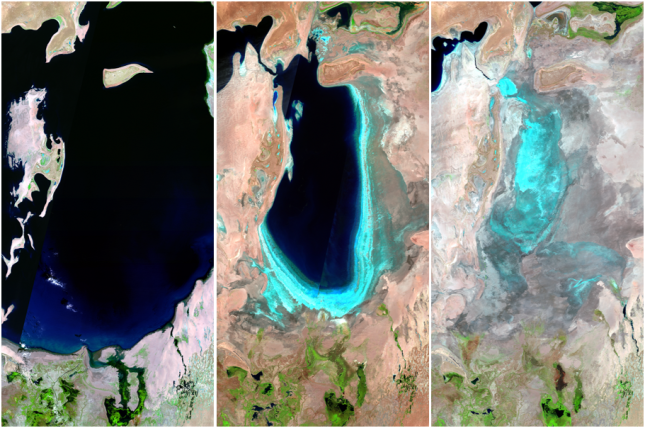
In 2018, California experienced its most destructive wildfires in history. Satellite imagery shared by NASA scientists helped firefighters track fires and map damage by comparing satellite images documenting changes to the Earth’s surface. These types of images existed for decades but were classified for military purposes until the government program MEDEA identified their potential benefit and advocated for public access in the 1990s. According to former National Oceanic and Atmospheric Association (NOAA) Chief Scientist and MEDEA member Richard Spinrad, “the systems that might be used for early detection of a missile launch may work equally well for detection of wildfires.”
-
New Report Pushes for Greater Focus on Resilience in Feed the Future’s Work in Nigeria
›
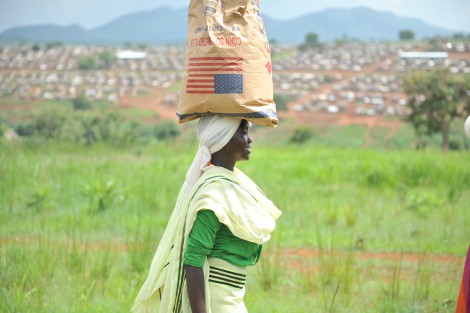
“We are suggesting the tilt to resilience [in Nigeria] is not fully evident,” said Julie Howard, Senior Advisor with the Center for Strategic and International Studies’ (CSIS) Global Food Security Project. She spoke at a recent CSIS event launching a new report, Risk and Resilience: Advancing Food and Nutrition Security in Nigeria through Feed the Future. The report critiques the USAID global food security and hunger program, Feed the Future, which is attempting to expand on its work reducing poverty and malnutrition by adding a third priority: building resilience in the second phase of its campaign.
-
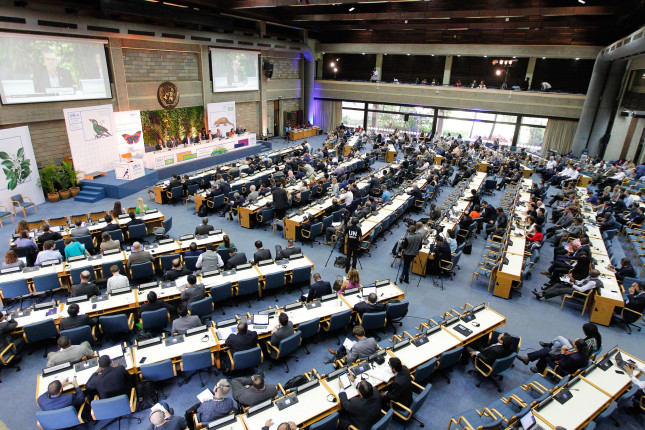
From Resolution to Solution: UNEA’s Unique Opportunity to Tackle Environmental Dimensions of Armed Conflicts
›When the Fourth Session of the UN Environment Assembly (UNEA-4) takes place in Nairobi starting March 11, governments, international organizations, and civil society organizations will discuss issues on the theme of innovative solutions for environmental challenges and sustainable consumption and production with over 30 draft resolutions submitted for discussion. With few international forums where the environmental dimensions of conflict can be properly discussed, we were optimistic about the past resolutions tackling this topic.
-
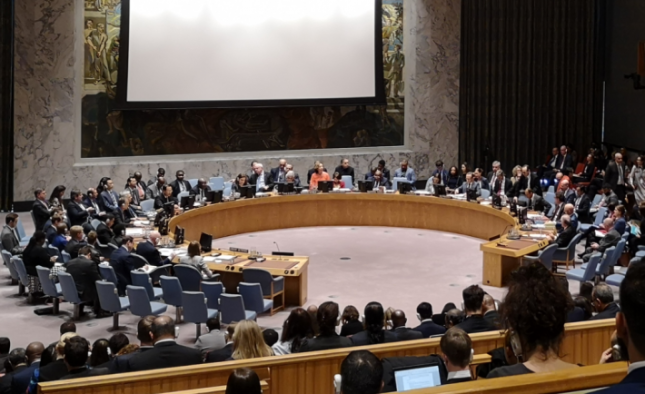
Security Council Debates how Climate Disasters Threaten International Peace and Security
›On 25 January 2019, the UN Security Council held an open debate to discuss the security implications of climate-related disaster events. The meeting, initiated by the Dominican Republic, underscored the global nature of climate-related disasters. Most speakers highlighted the need for better climate risk management as an important contribution to safeguarding international peace and security. The debate marks the beginning of a year in which climate security ranks high on the UN’s agenda.
-
Europe Takes the Lead in Climate, Energy, and Security
›With the tumultuous NATO summit and a simmering trade war dominating stateside headlines last month, the European Union’s progress on climate-security connections has received little attention. After the U.S. government rolled back its significant efforts in early 2017, the EU and its leading members—particularly Sweden and Germany—picked up the ball. Three significant events herald what could be the start of a new era of climate-security policymaking—one under European leadership.
-
This Indian Women’s Union Invented a Flexible Childcare Model
›In 1971, the wives of textile workers in Ahmedabad, western India, became the main earners in their families overnight, after several large textile mills closed down. They were part of the 94 percent of India’s female labor force working in the informal sector—recycling waste, embroidering fabric, and selling vegetables—and thus they remained largely invisible to the government and to formal labor unions. In response, Ela Bhatt, a young lawyer, met with 100 of the women in a public park to establish the Self-Employed Women’s Association (SEWA), which would later register as a trade union and swell to the two million members it boasts today. -
Measuring Up: USAID Proposes New Indicators to Assess Countries’ “Journey to Self-Reliance”
›“At the heart of…USAID’s transformation, is the core belief that each country must lead its development journey, and finance and implement solutions to its development challenges,” said Susan Fine of USAID at a recent Center for Global Development event introducing USAID’s new “Journey to Self-Reliance ” indicators.
-
Building Coastal Resilience to Protect U.S. National Security
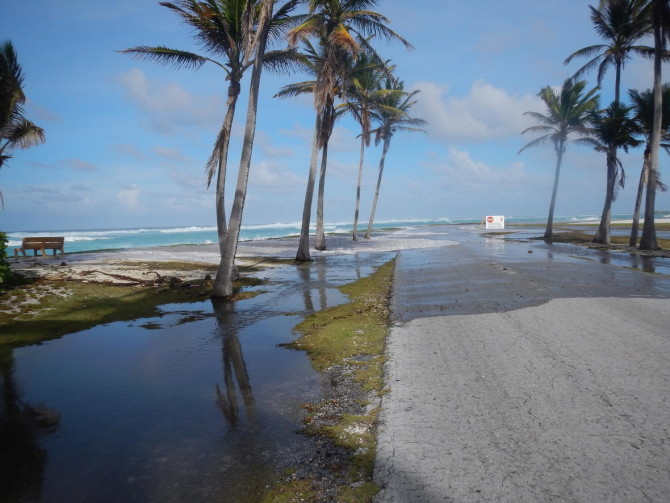
›June 28, 2018 // By Wilson Center StaffAs the Atlantic hurricane season kicks off this month, some coastal communities in the United States and small-island nations in the Caribbean are still recovering from last year’s record-breaking damage. At the same time, the heavy rains pounding the East Coast this week are part of a long-term trend towards more severe heavy rainfall events that have led to deadly floods and threaten critical U.S. military bases. Even on sunny days, cities such as Norfolk and Manila contend with high tide or “nuisance” flooding—a phenomenon that has increased as much as nine-fold since the 1960s, according to NOAA.
Showing posts from category zz Organizations.

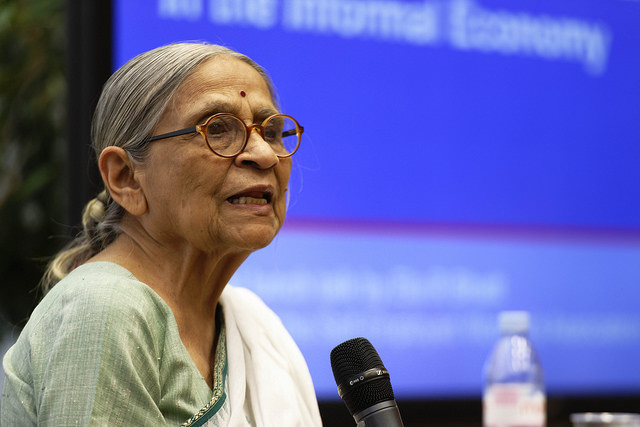 In 1971, the wives of textile workers in Ahmedabad, western India, became the main earners in their families overnight, after several large textile mills closed down. They were part of the 94 percent of India’s female labor force working in the informal sector—recycling waste, embroidering fabric, and selling vegetables—and thus they remained largely invisible to the government and to formal labor unions. In response, Ela Bhatt, a young lawyer, met with 100 of the women in a public park to establish the Self-Employed Women’s Association (SEWA), which would later register as a trade union and swell to the two million members it boasts today.