-
Bringing Natural Resources to the Table: ELI, UNEP Launch New Environmental Peacebuilding Platform
›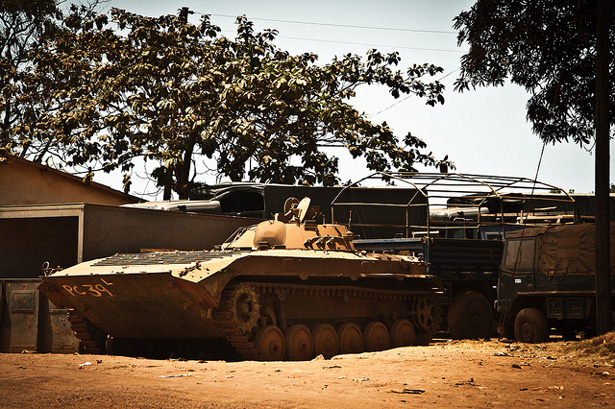
To date, despite their demonstrated importance in both conflict recovery and the risk of conflict recurrence, natural resources have been largely ignored or downplayed in post-conflict settings around the world.
-
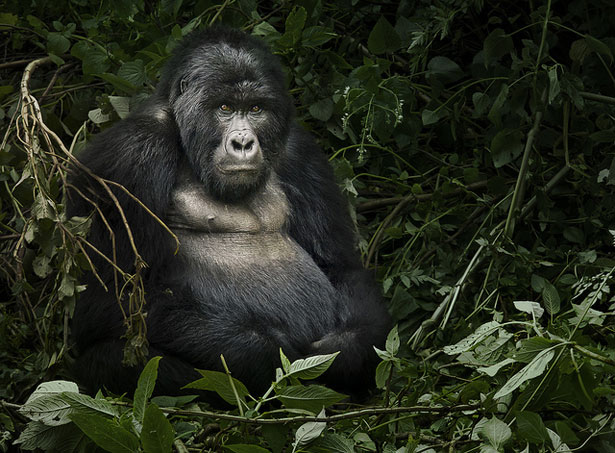
Gorillas and Family Planning: At the Crossroads of Community Development and Conservation in Uganda
›
“Gorillas are very good at family planning; if we were like them, we’d be much better off,” said wildlife veterinarian Dr. Gladys Kalema-Zikusoka at the Wilson Center on September 26. The Conservation Through Public Health (CTPH) CEO and founder is celebrating 10 years of population, health, and environment (PHE) work in Uganda and the Democratic Republic of Congo, bringing health and livelihood interventions to people while protecting mountain gorillas around Virunga and Bwindi Impenetrable National Parks. [Video Below]
-
Crowded Out: New Evidence Points to Population Growth as Key Driver of Biodiversity Loss
›November 12, 2013 // By Kathleen MogelgaardIn 2009, economist Jeffrey Sachs, alongside more than 20 eminent scholars from different fields, highlighted the importance of biodiversity for human well-being in a policy commentary published in Science. They noted the Millennium Development Goals (MDGs) included a target to achieve, by 2010, a significant reduction in the rate of species loss, and they also noted that it was one of the MDG targets that was most off-track. “Our lack of progress toward the 2010 target,” they said, “could undermine achievement of the MDGs and poverty reduction in the long term.” The 2010 target was missed, and today species are moving toward extinction at an ever faster pace. Last week’s announcement confirming the extinction of Africa’s western black rhino is the latest sad example of this trend.
-
Climate Change in a Growing, Urbanizing World: Understanding the Demography of Adaptation (Book Launch)
›The effects of climate change are often conveyed through the lens of changing physical landscapes. Shifting weather patterns, the intensification of drought, flooding, and coastal erosion are all primary areas of climate research. But do researchers know enough about changes in the size, distribution, and composition of human populations as they relate to climate vulnerability? [Video Below]
-
How Effective Are International Efforts to Empower Women? Alaka Basu on Challenging the Patriarchy
›
“Everyone uses the word ‘empowerment.’ It’s now such an overused word,” says UN Foundation Senior Fellow Alaka Basu in this week’s podcast. “You are empowered if you have a choice of 10 different shampoos in the grocery store; you are empowered if you have 100 kinds of cereals to buy; you are empowered by virtually anyone wanting to sell you something.”
-
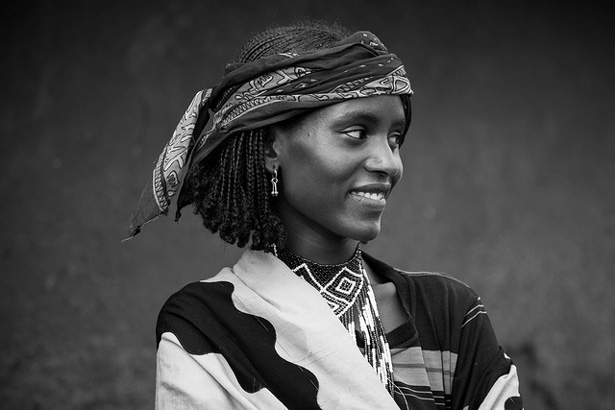
Tailored to Fit: Programming for the Sexual and Reproductive Health of Young Women in Africa
›The first time Almaz, a teenager living in rural southern Ethiopia, went to the crowded health care clinic in her village to get contraception, she was told they only helped older women with children. The second time, she waited hours only to find out that her preferred method of contraception was out of stock and she would have to return another day. [Video Below]
-
Delivering Success: Scaling Up Solutions for Maternal Health (Report Launch)
›Since 2009, the “Advancing Dialogue on Maternal Health” series, co-produced by the Wilson Center, Harvard’s Maternal Health Task Force, and the United Nations Population Fund, has been one of the few public policy forums dedicated to maternal health. [Video Below]
-
Vicky Markham, Impatient Optimists
As UN Debates Post-2015 Agenda, Women Deliver Development
›October 23, 2013 // By Wilson Center StaffIt’s not often that we are presented with the perfect opportunity to affect a broad set of development policies as we are currently with the UN’s post-2015 agenda.
Showing posts from category zz Organizations.