-
Geoff Dabelko: Face Down the “Four Tyrannies” to Improve Cross-Sectoral Collaboration
›
What does Himalayan ice melt have to do with food security in Cambodia? A lot, when they both significantly affect the flow of the Mekong River. But when it comes to long-term planning across topical and regional lines, development agencies aren’t always as collaborative as they could be – both externally and internally.
-
Facing the Challenge of Adolescent Pregnancy: ‘State of the World Population 2013’ Launch
›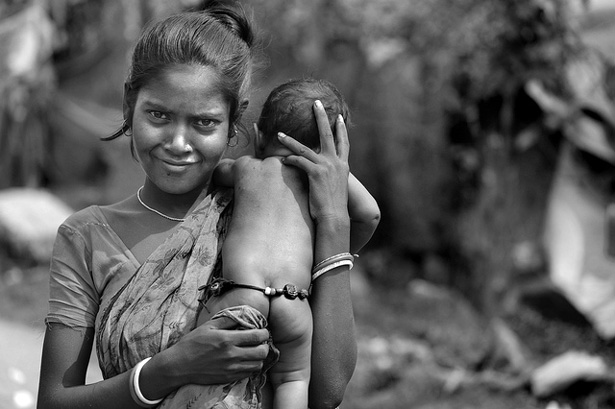
Twenty thousand girls under the age of 18 give birth every day, and 90 percent of these births occur within the context of marriage, according to the UN Population Fund’s latest State of the World Population report. This year’s edition, launched at the Wilson Center on October 30, focuses on adolescent pregnancy and finding ways to better protect this vulnerable group of young women.
-
“Childhood Must Never Be Derailed by Motherhood”: Dianne Stewart on UNFPA’s ‘State of the World Population 2013’
›
Twenty thousand girls under the age of 18 give birth each day, according to the United Nations Population Fund (UNFPA). Two million girls age 14 or younger give birth each year. Societal norms often frame adolescent pregnancy as the result of promiscuous behavior, but this year’s State of the World Population Report encourages “a shift away from interventions targeted at the girl toward broad-based approaches that build girls’ human capital, protect girls’ rights, and empower them to make decisions,” says Dianne Stewart, director of the information and external relations division of UNFPA, in this week’s podcast.
-
Challenging Patriarchy: The Changing Definition of Women’s Empowerment
›As more organizations in the international development community commit themselves to supporting women’s empowerment, it has grown increasingly difficult to evaluate what that really entails. [Video Below]
-
Beyond the Horizon: Understanding the Future for Better Development Today
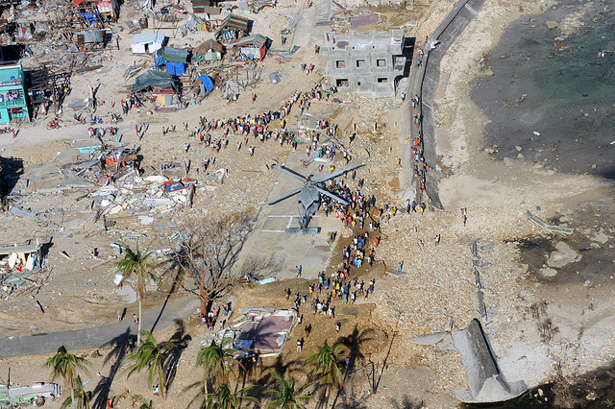
›December 16, 2013 // By Kathleen MogelgaardWhen Super Typhoon Haiyan ripped through the Philippines last month, the incredible damage visited on the people, infrastructure, and land was shaped by trends that have been in motion for decades. The country’s population has been growing rapidly, with high concentrations of people living in cities and along the coast; economic growth had been steady, but weak governance and corruption may have exacerbated vulnerability; and the gradual loss of coastal forests and mangroves left many communities exposed to the full brunt of the typhoon’s storm surge. On a positive note, wireless technology and crowd-sourced data helped in disaster response.
-
Critical Mass? How the Mobile Revolution Could Help End Gender-Based Violence
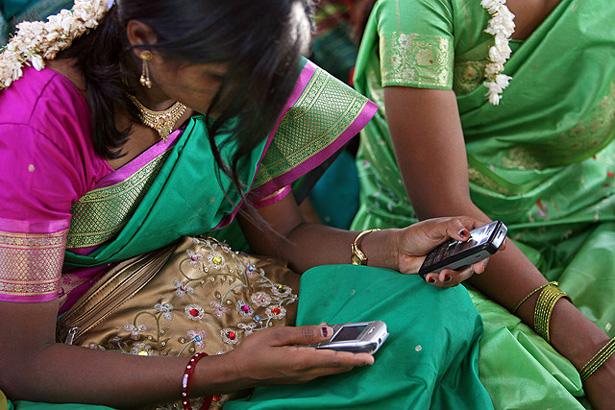
›The past three years – and more pointedly the past 12 months – have laid witness to monumental, if not heartbreaking, incidents of gender-based violence. The gang rape of a 23-year-old woman in New Delhi last December; the gang rape of a 16-year-old girl left for dead in a pit latrine in Western Kenya last June; the mass sexual assault of women in Tahrir Square during the 2011 revolution in Egypt and since; all were high profile atrocities that ignited outrage around the world.
-
Gender Gaining Ground at Climate Change Negotiations
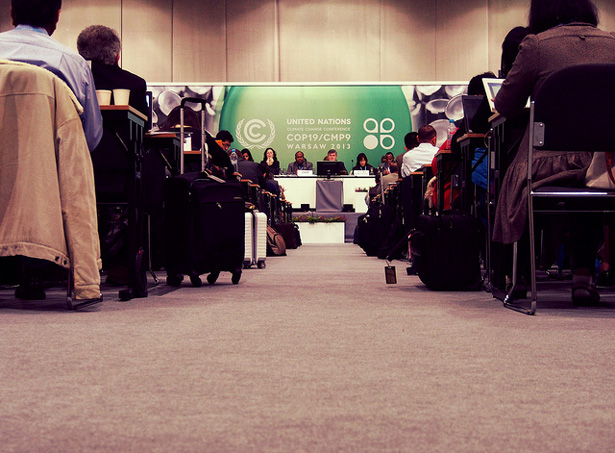
›Last month, more than 10,000 negotiators from 189 countries attended the latest UN climate change conference, known as the 19th Conference of the Parties, or COP-19, this year held in Warsaw. To many, COP-19 fell frustratingly short of its already low expectations: there were no significant new agreements and 132 developing countries along with many major non-government groups staged a walkout in protest. However, it was notable for several signs of continued progress in bringing women’s voices to the negotiating table.
-
Anthropocene Visualized: Video Summarizes Key Findings of IPCC Fifth Assessment Report
›“Humanity is altering Earth’s life support system. Carbon dioxide emissions are accelerating; greenhouse gas levels are unprecedented in human history,” says a new video summarizing some of the most striking finds of the Intergovernmental Panel on Climate Change’s latest report. The climate system is changing rapidly, and it is “extremely likely,” the video quotes the IPCC, that humans are the central reason why.
Showing posts from category zz Organizations.