-
The Changing Geopolitics of Critical Minerals and the Future of the Clean Energy Transition
›
At a recent Wilson Center event on the shifting geopolitics of critical minerals, Cory Combs, Associate Director at Beijing-based Trivium China, noted that “the nature of global resource competition is changing—and quite rapidly.”
-
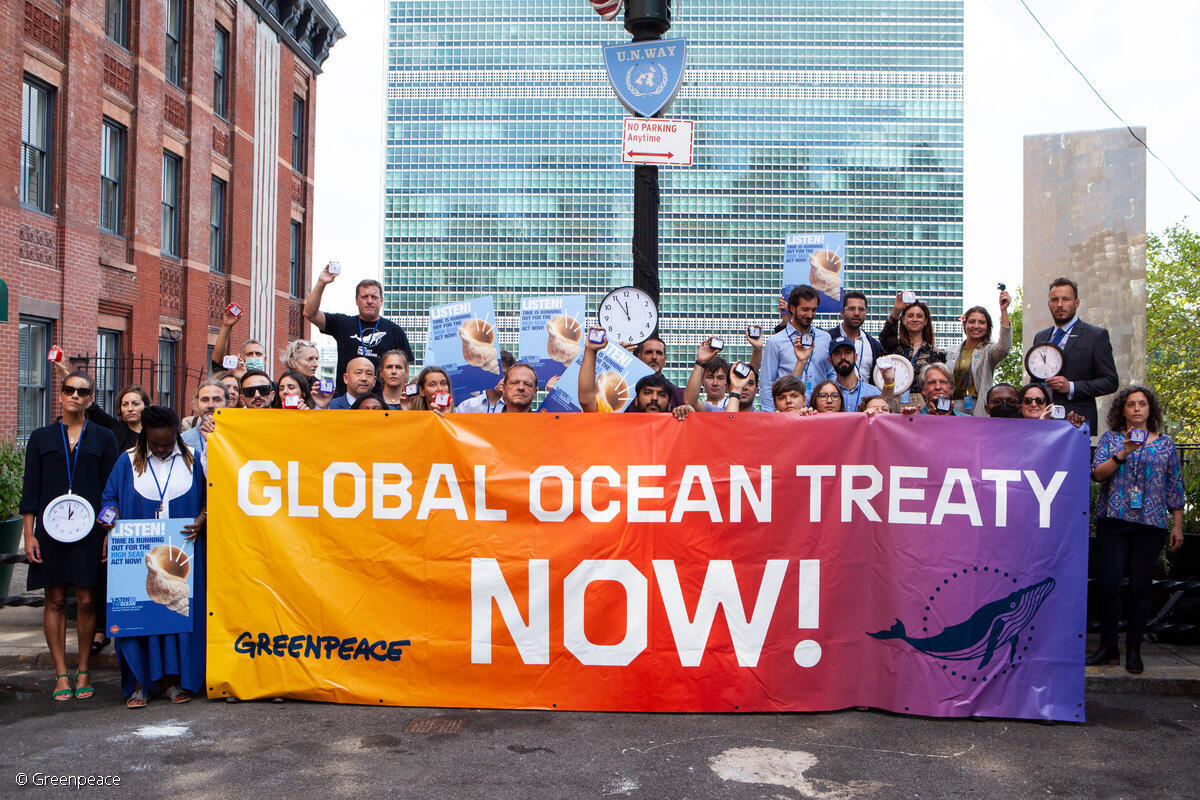
Deadlock in the Negotiation Rooms to Protect Global Oceans
›
For decades, western multinational companies have been profiting by exploiting plant, animal, or microbial genetic resources obtained from less developed countries. Take the neem tree, for example. Since the 1990s, international companies have registered more than 70 patents on products derived from India’s “tree of life.” Yet these patents have prohibited local people from using these trees (as they had for centuries) to make cosmetics, fertilizers, and medicines.
International companies have now turned their eyes to the high seas in a new hunt for genetic resources. Concerned they will be left out of the potentially profitable patents once again, developing nations are demanding equitable use and benefit sharing of genetic resources in ongoing global ocean treaty negotiations.
-
United Nations Advances Strategic Foresight: Breakdown or Breakthrough Scenarios?
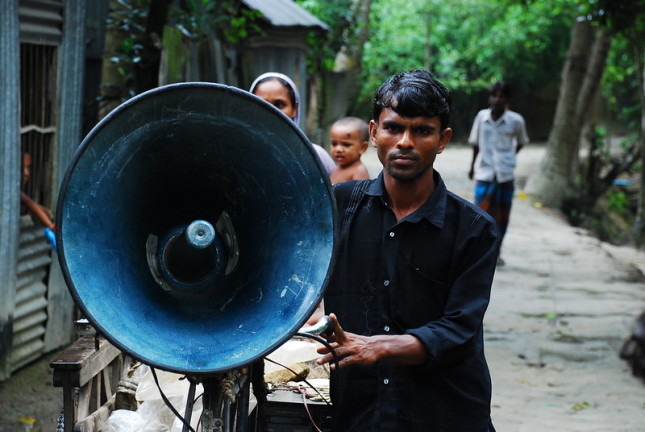
›Last September, Secretary-General António Guterres outlined the United Nation’s Our Common Agenda in a speech to the General Assembly. His remarks focused on the future of global cooperation for the next 25 years. It was imperative, he messaged, to recognize that our accelerated interconnectedness, and the formidable challenges we all face, can only be addressed through a reinvigorated multilateralism, with the United Nations at the core of collective member efforts. We must think big, act swiftly, and work effectively, he said, to reshape how we move forward today to achieve the goals of the UN declaration commemorating the 75th anniversary of the United Nations.
-
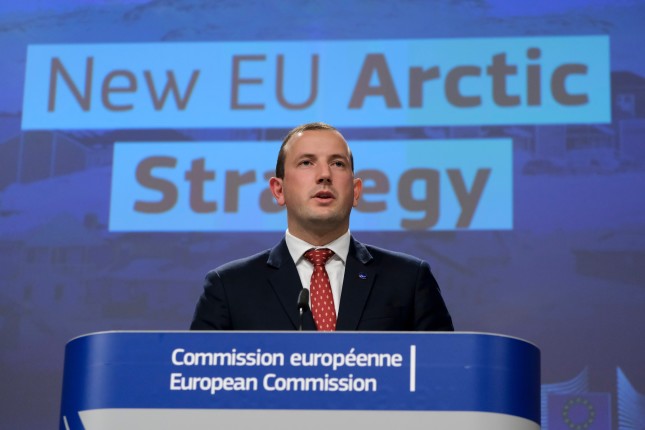
More EU in the Arctic and More Arctic in the EU?
›Guest Contributor // Navigating the Poles // February 7, 2022 // By Romain Chuffart & Andreas RaspotnikThe Arctic is ground zero for climate change. Warming in the region is occurring at three times the rate of the global average and September Arctic sea-ice is now declining at a rate of 13 percent per decade. However, the reverse is also true. The complex changes taking place in the Arctic are having profound effects on the rest of the world, and major economies are taking note.
-
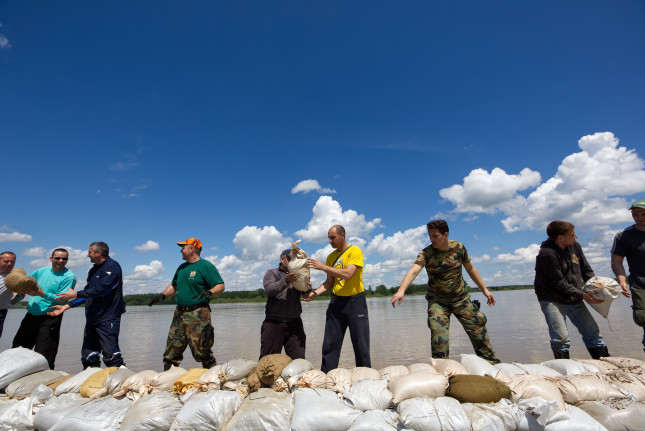
Merging the Environmental and Security Sectors in Climate Risk Responses
›Environmental security notions have evolved over the past 30 years. Once a sub-field of Security and Peace Studies focusing on how environmental issues correlate with modern security theories and policies, the concept is rapidly merging environmental and security sectors. Former Greek Naval Officer in the Hellenic Navy and current environmental security scholar Dimitrios Kantemnidis’ expertise sits at the center of the two merging fields. His military background informs perspectives on growing environmental security risks and potential responses for civilian and military actors.
-
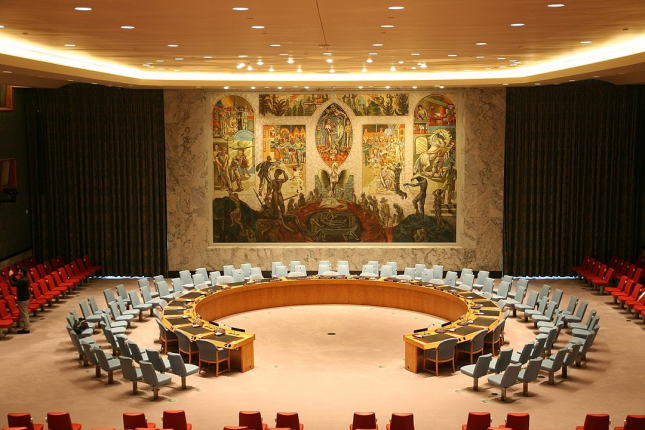
Russia’s ‘Nyet’ Does Not Mean Climate Security Is off the Security Council Agenda
›On Monday, 13 December, Russia used its veto in the United Nations Security Council to block a thematic resolution on climate change and security put forward by Ireland and Niger. While the draft resolution contained specific actions, its main purpose was symbolic: to put the security implications of climate change firmly on the Security Council’s agenda, much as Resolution 1325 did with women, peace and security.
-
Generation 2030: The Strategic Imperative of Youth Civic and Political Engagement
›According to a recent poll, young people are deeply concerned about the world they will inherit, want to be more engaged in meeting the development needs of their communities, and are helping to lead democracy or social justice protests in their countries. At the same time, new research shows a large decline in trust and admiration for democratic governance. According to Freedom House, for the first time in decades, authoritarian leaning regimes outnumber democratic leaning ones, with a majority of the world’s population now living in authoritarian leaning countries.
-
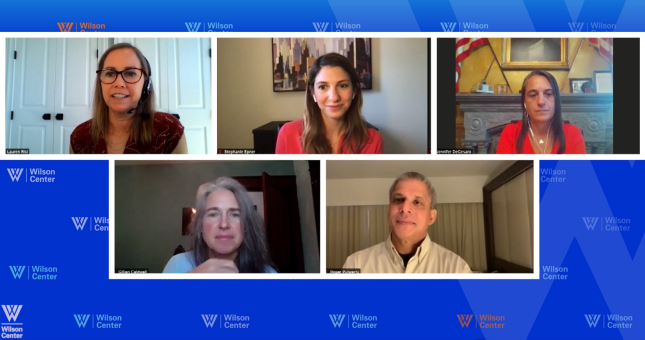
All Systems Go: Integrating Climate Security Across the U.S. Government
›“We are really taking a whole-of-government approach to address the challenges posed by climate change,” said Jennifer DeCesaro, Director for Climate Security and Resilience at the U.S. National Security Council, at a recent Wilson Center event hosted as part of the 2021 Berlin Climate and Security Conference. President Biden has taken an unequivocal position on climate change: The administration’s first order of business was to issue a series of executive orders aimed at catalyzing climate action. Putting the full institutional weight of the U.S. government behind this agenda requires a re-orientation of domestic and international security, development, and diplomacy. Creating “new muscle memory” on how we approach these typically siloed challenges is essential to elevating climate policy, said DeCesaro.
Showing posts from category zz Organizations.