-
Ofir Drori on how EAGLE Confronts the Criminal Networks Driving Africa’s Wildlife Crisis
›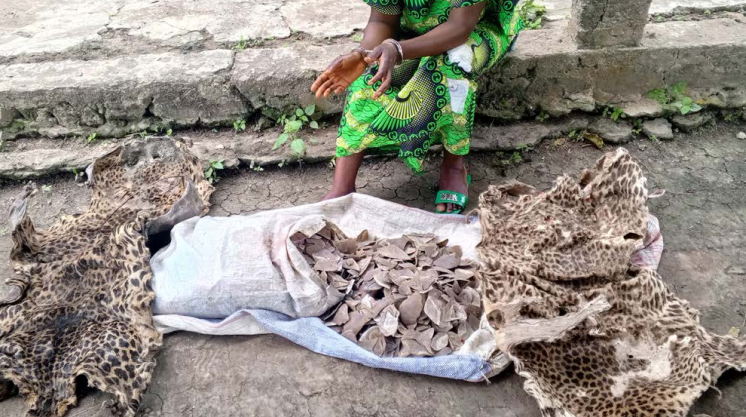
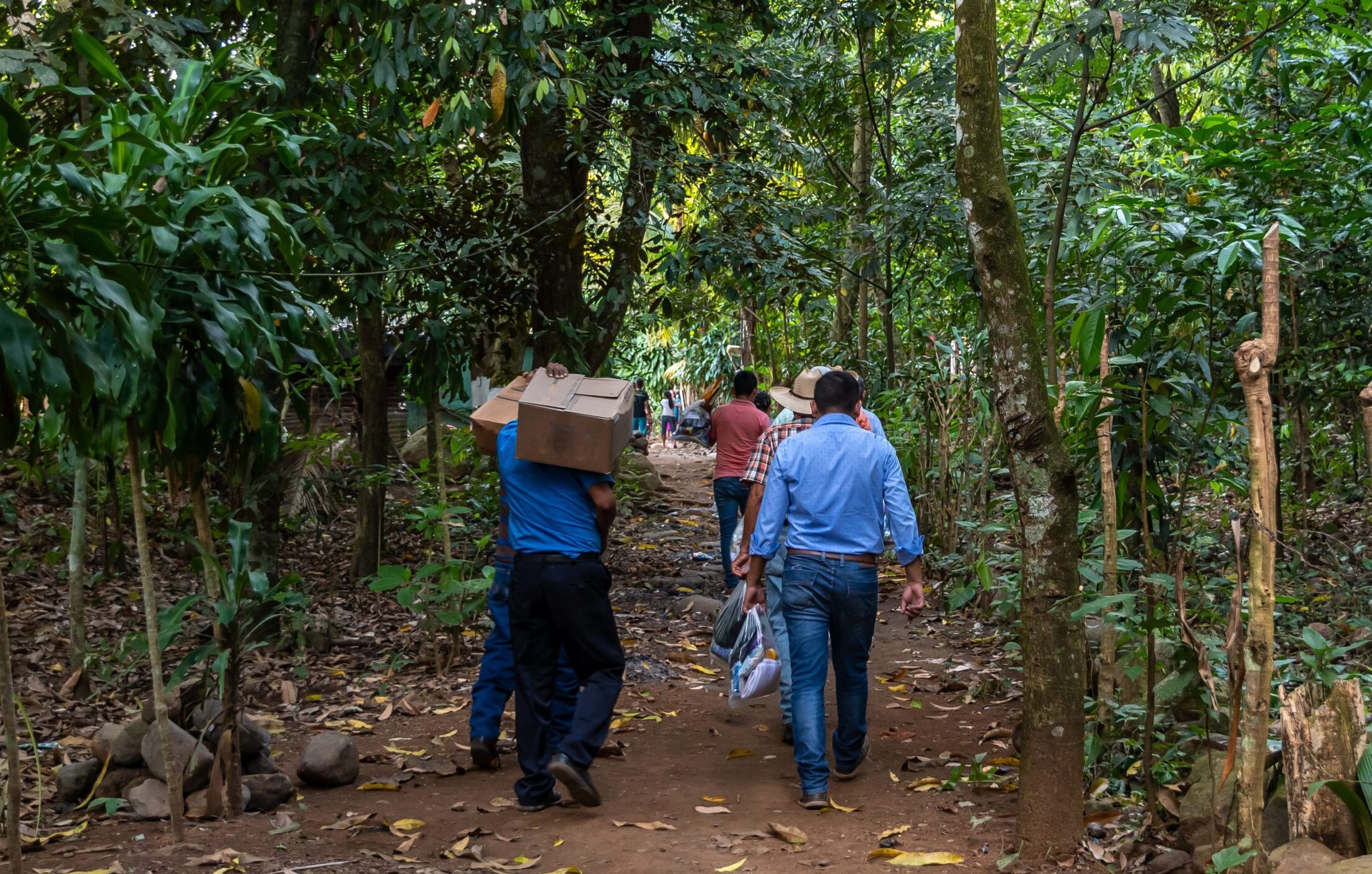
Wildlife trafficking is one of the most lucrative and destructive criminal enterprises in the world. Valued at more than $20 billion annually, these criminal networks impact more than 4,000 plant and animal species across 162 countries and territories. Yet for decades enforcement efforts focused narrowly on poachers, missing the broader criminal foundation that makes the trade resilient: the corrupt officials, armed non-state actors, and agile transnational networks.
-
Why Good Development Requires Wisdom, Not Just Rules
›
Development practitioners enter the field hoping to make the world a better place. Yet, too often, they become jaded and cynical over time. The bureaucratic processes that shape the mechanics of development programs (funding, design, implementation, and evaluation) often make it difficult for practitioners to apply their expertise and judgment. As the international development sector adjusts to the shutdown of USAID last year, it is an opportune moment to reflect upon how different approaches may strengthen development practice.
-
Environmental Security Weekly Watch: October 20-24, 2025
›US Resistance Delays Vote on Shipping Decarbonization Rules (Mongabay)
The International Maritime Organization (IMO) has voted 57-49 to postpone the adoption of the “net-zero framework” until October 2026. As the shipping sector’s first binding deal on global greenhouse gas emissions, the agreement would have established progressively stricter intensity limits starting in 2028. The framework also imposed substantial fees for noncompliance, with high emitters facing up to $1.5 million in additional annual fees by 2035 that could raise fuel costs by roughly 20%. Low-emission vessels would be rewarded with tradable carbon allowances.
-
Three Takeaways From the Third UN Ocean Conference
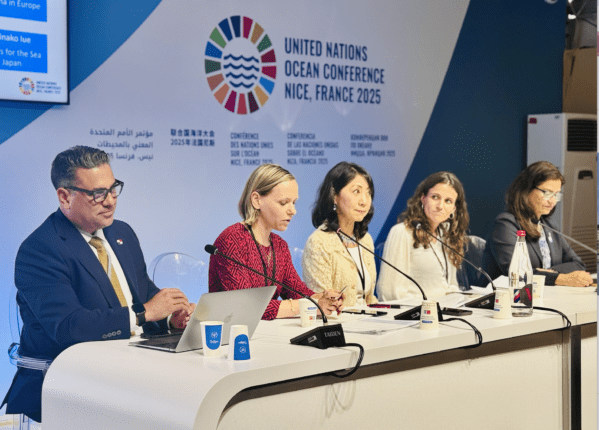
›July 10, 2025 // By Carolyn Gruber“There cannot be a healthy planet without a healthy ocean. It’s urgent business for us all,” said U.N. special envoy for the ocean, Peter Thomson, at last month’s UN Ocean Conference (UNOC).
Hosted in Nice, France, the conference brought together more than 15,000 political leaders, scientists, civil society, the private sector, academic institutions, Indigenous peoples, local communities, and philanthropic organizations with the goal of identifying innovative ways to finance and mobilize action for the ocean.
-
Going Beyond “Conflict-free”: Transition Minerals Governance in DRC and Rwanda
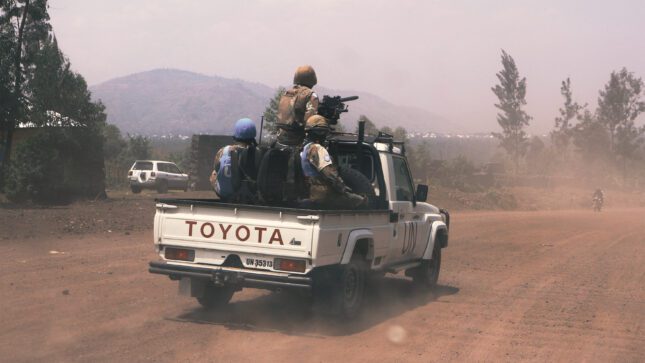
›Resource-rich nations such as the Democratic Republic of Congo (DRC) and Rwanda—which produce minerals ranging from coltan, cobalt, gold, tungsten, and tantalum, to tin (3TG)—hold tremendous importance in the global supply chains. The DRC produces 70% of global cobalt production, while its neighbor, Rwanda, generates around 30% of Tantalum.
-
ECSP Weekly Watch | July 22 – 26
›A window into what we are reading at the Wilson Center’s Environmental Change and Security Program
Worsening Health Conditions in War-Torn Gaza (BBC)
Water infrastructure in Gaza was already weak before the beginning of the war in 2023, but intensified conflict and siege of critical infrastructure the damage wreaked by Israel’s military forces on critical infrastructure (including water, energy, and food), has left 70% of the people in Gaza exposed to salinated and contaminated water. Traces of polio have been found in wastewater flowing both between displacement camp tents and in inhabited areas, and experts suggest that this water might be circulating.
-
ECSP Weekly Watch | July 8 – 12
›A window into what we are reading at the Wilson Center’s Environmental Change and Security Program
Climate Security and Canada’s Promises to NATO (Global News)
As a founding member of the North Atlantic Treaty Organization (NATO), Canada has been influential in the integration of climate change policy with the alliance’s mission. It supported the development of NATO’s Climate Change and Security Action Plan aligning with the alliance’s core tasks of deterrence and defense, crisis prevention and management, and cooperative security. Following the Canadian proposal 2021, Global Affairs Canada and the Department of National Defense jointly lead NATO’s Climate Change and Security Centre of Excellence (CCASCOE) to research and identify best practices to address climate change and security-related challenges.
-
Midwives Lead the Way: The 5th Global Midwifery Symposium
›Midwives play a central role in maternal and newborn health. So, it is fitting that their efforts took the spotlight at a two-day event – The 5th Global Midwifery Symposium – held during the first ever International Maternal and Newborn Health Conference (IMNHC) in May 2023 in Cape Town, South Africa.
Showing posts from category zz Organizations.