-
UN, U.S. Summits Offer Modest Immediate Relief to Refugees, But Systemic Reforms Needed
›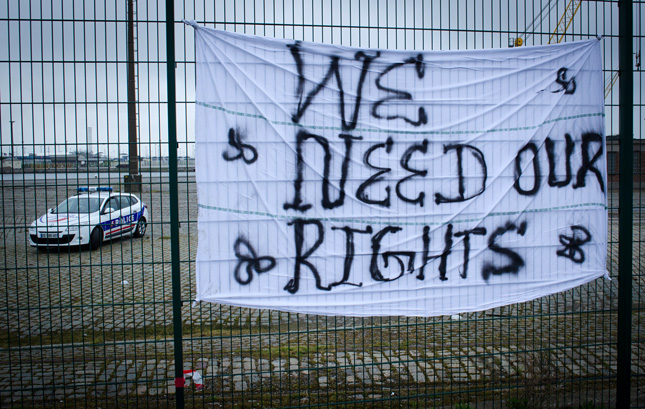
Heads of state gathered in New York for the September 19 United Nations Summit on Refugees and Migrants will reaffirm principles of international law, pledge to treat asylum seekers more humanely, and promise to improve coordination between humanitarian and development organizations.
-
Seeing Around the Corner: Contemporary Challenges for Foresight and Futures Analysis
›
Most citizens of democratic nations expect their governments to do their very best to make society more egalitarian, productive, adaptive, and resilient. To do so requires governments to track not just today’s headlines but grapple with long-term underlying trends, like globalization and demographic change. Governments must also make assumptions about the future course of these trends and examine how they might collide or build on one another.
-
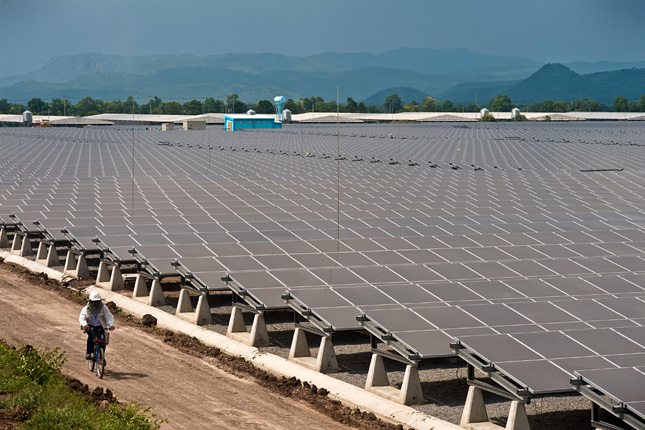
From Brown to Green: Three Scenarios for a Southeast Asian Regional Energy Grid
›Southeast Asia is one of the fastest growing energy markets in the world. Regional demand for energy may grow by as much as 80 percent and electricity demand more than triple by 2040. To keep up, governments are working to expand coordination across borders and create a broader regional energy grid (indeed their efforts predate their northern neighbors’ recent announcement of a “supergrid” by several decades).
-
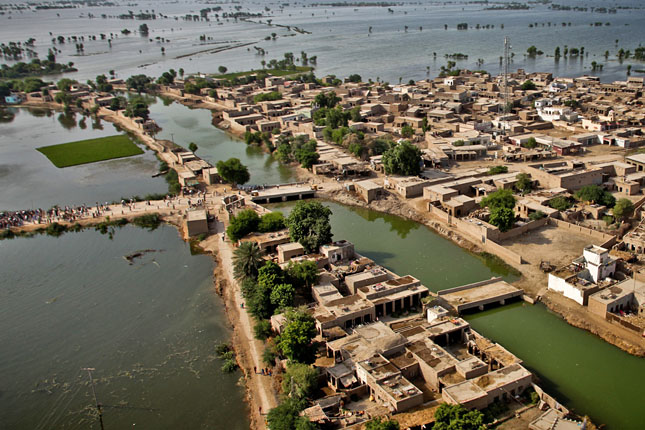
“Loss and Damage” and “Liability and Compensation” – What’s the Difference and Why Does It Matter?
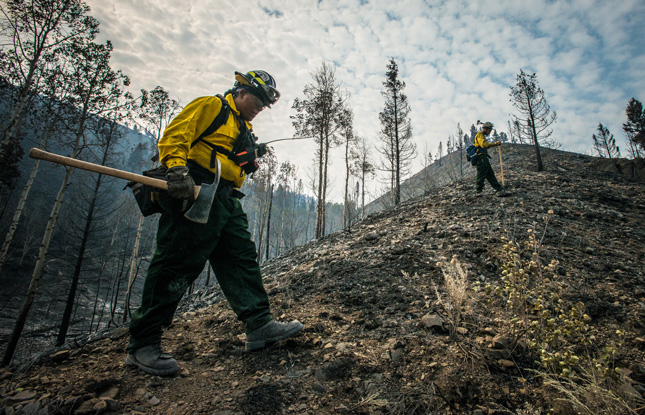
›September 2, 2016 // By Cara ThuringerWhen wildfires become unstoppable, consuming forests, farmlands, communities, and anything else in their path, how will those affected cope? When typhoons slam coastal populations, dumping over a foot of rain in a single event, who will be there to help mop up? When seas rise up, drowning centuries-old communities, where will the displaced go?
-
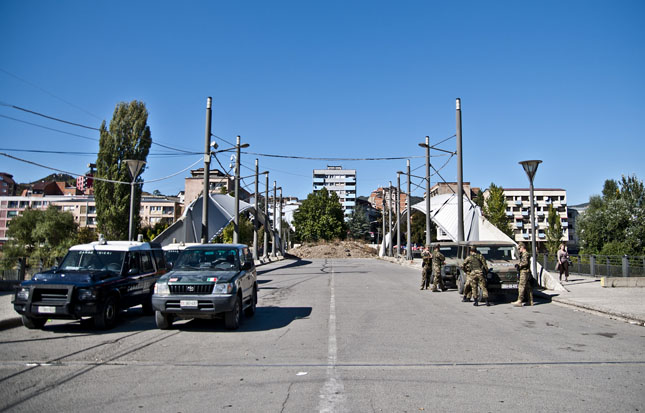
In Kosovo, Post-War Water Faults Show Challenge of Balancing Political With Technical
›Rivers have shaped the Western Balkan Peninsula’s characteristic landscape and played an important role in its history. Following the violence of the Yugoslav secession wars in the 1990s and the creation of six new nations, the number of transboundary river basins doubled from 6 to 13. In Kosovo, where independence remains a question, the water sector is a microcosm of tensions between ethnic Serbs and Albanians. The challenge of water resource management exists not only over the province’s contested national boundaries with Serbia, but between divided ethnic groups within the territory.
-
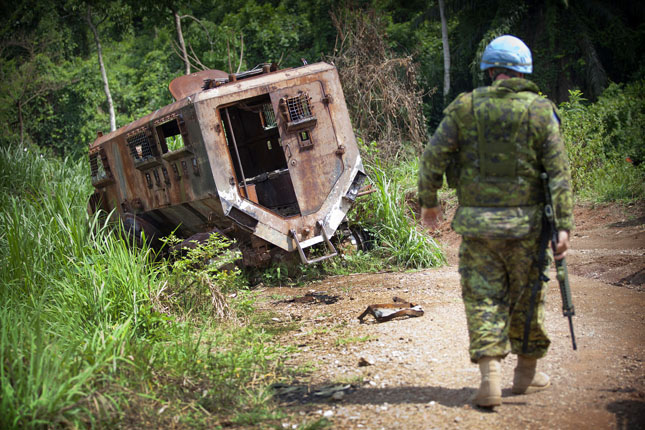
After Conflict, Peacebuilding and Recovery Efforts Too Often Miss the Environment
›In June 2010, The New York Times published a front page story trumpeting a Pentagon announcement of roughly $1 trillion worth of mineral resources in Afghanistan. Officials said the discovery was “far beyond any previously known reserves and enough to fundamentally alter the Afghan economy and perhaps the Afghan war itself.” Then-President Hamid Karzai soon inflated the figure to $3 trillion and then again to $30 trillion, enough to transform the country into the “Saudi Arabia of lithium.”
-
As Cities Grow More Crammed and Connected, How Will We Discourage the Spread of Disease?
›Near the corner of Broadwick and Lexington in London’s Soho neighborhood, a single spot on the ground has influenced more than 150 years of urban development. It’s the location of a water pump that in 1854 physician John Snow pinpointed as the source of contamination leading to a widespread outbreak of cholera in the neighborhood that killed more than 600 people.
-
UNEP Releases GEO-6 North American Region Report: A Good Grade, With Qualifications
›With so much focus on global environmental problems, many may wonder how their region is faring more specifically. This is the sentiment behind the United Nations Environment Program’s process for the latest iteration of its flagship assessment, the Global Environmental Outlook 6 (GEO-6). [Video Below]
Showing posts from category zz Organizations.