-
Africa’s Regional Powers Are Key to Climate Negotiations – But Will They Cooperate?
›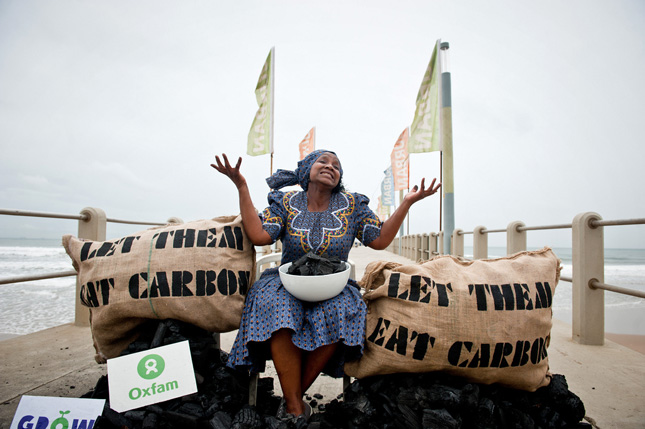
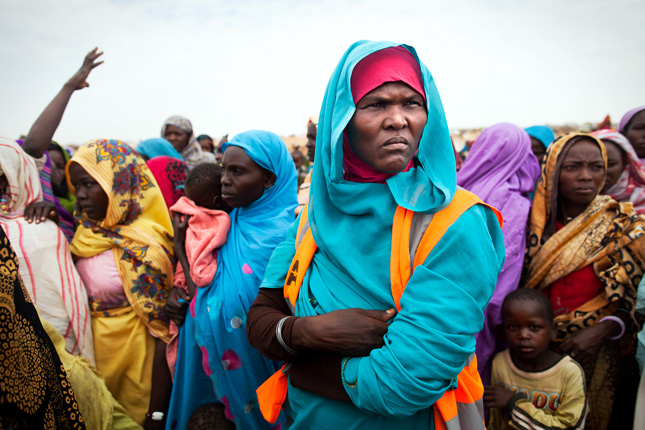
Most African states are more vulnerable and less prepared to address climate change challenges than the rest of the world. This observation is supported by a wide variety of sources, including the Climate Vulnerability Index and the Notre Dame Global Adaptation Index. And in fact Africans and their political leaders frequently observe that this crisis, manufactured in the developed world, disproportionately affects their continent. During a meeting of the African Union in 2007, Ugandan President Yoweri Museveni called climate change “an act of aggression” by the rich against the poor.
-
Deep Trouble: Emerging Resource Competition in the Deep Sea
›
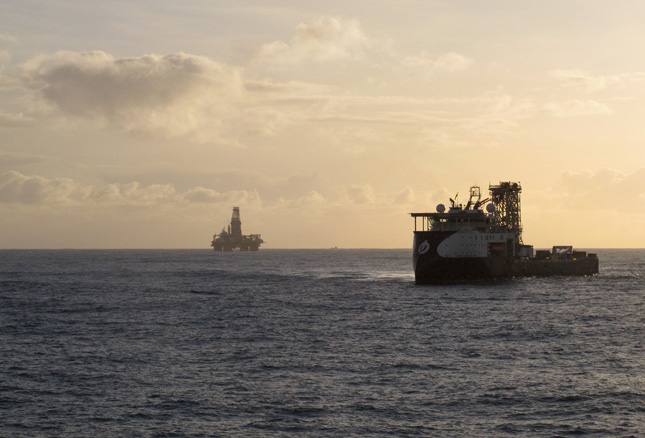
It might seem strange to say that the deep sea, the vast expanse of the world’s oceans beyond the continental shelf, is at risk of conflict and competition. After all, no one lives there, and as is often said, more is known about the surface of the moon than most parts of the ocean floor. But the fact is, even the cold, dark reaches of the ocean are no longer immune to resource competition between the world’s major powers.
-
Justice and Contemporary Climate Relocation: An Addendum to Words of Caution on “Climate Refugees”
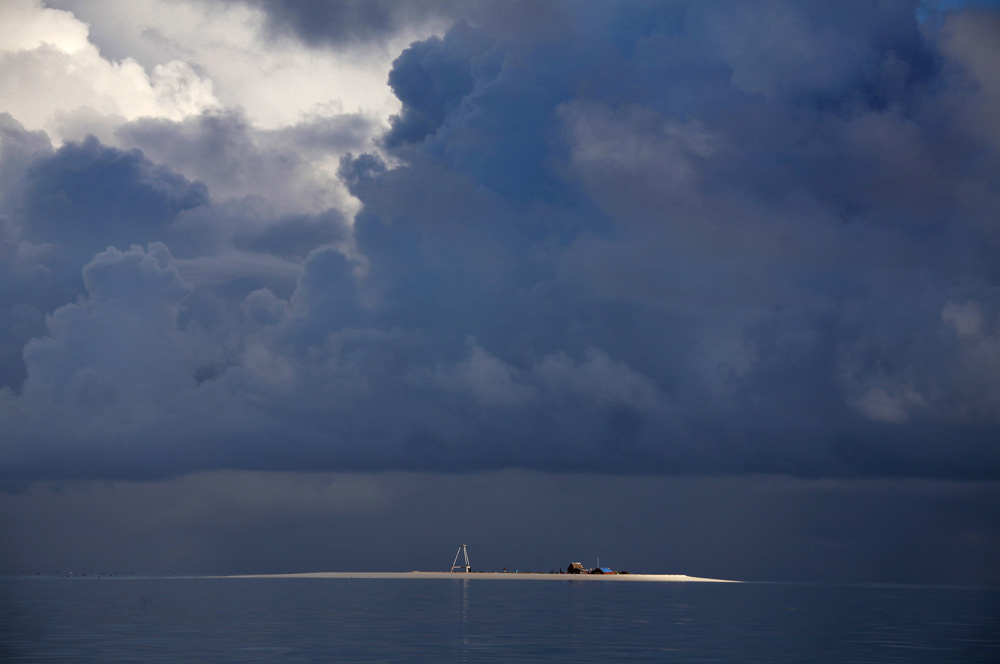
›The idea that climate change is causing migration and displacement is entering the mainstream, but experts have warned against using the term “climate refugees” to describe what we’re seeing in small islands, coastal regions, and even conflict zones like Syria.
-
After Women Deliver, What’s Next for Women and Girls?
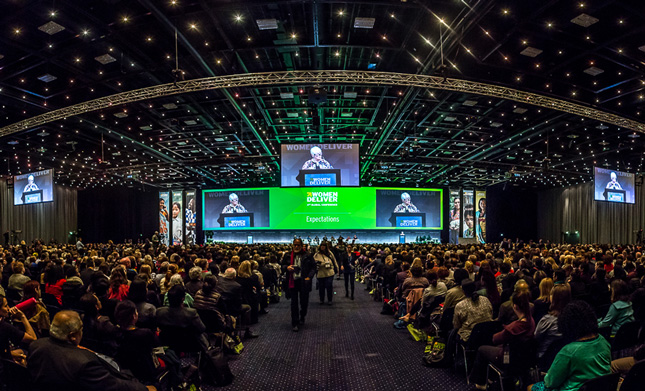
›The once-every-three-years Women Deliver conference has become a major coalescing force for various global health and development efforts aimed at women and girls. “We operate at a global level, influencing the agenda” by focusing on the “four Cs”: convening, communicating, capacity-building, and catalyzing, said Susan Papp, director of policy and advocacy for Women Deliver. [Video Below]
-
Alix Bacon on Building a Global Community of Midwives
›The fourth global Women Deliver conference in May brought nearly 6,000 experts and advocates to Copenhagen to address the health and rights of women and girls, including a small group of young midwives who attended a symposium beforehand. “I went in a little bit skeptical,” says Alix Bacon, president of the Midwives Association of British Columbia and one of 32 women under 35 who received a scholarship to attend, in this week’s podcast. “And I came home a changed woman and a believer.”
-
At the Eye of the Storm: Women and Climate Change
›Struggling to save their failing crops. Walking farther afield to fetch clean water. Protecting their families from devastating storms and violent conflicts. “Women are usually the support systems for our family…we are the last to leave in the event of a catastrophe, which is why women and families are disproportionately hurt by climate catastrophes,” said Wilson Center President, Director, and CEO Jane Harman on June 23 during a conference on women and climate change. [Video Below]
-
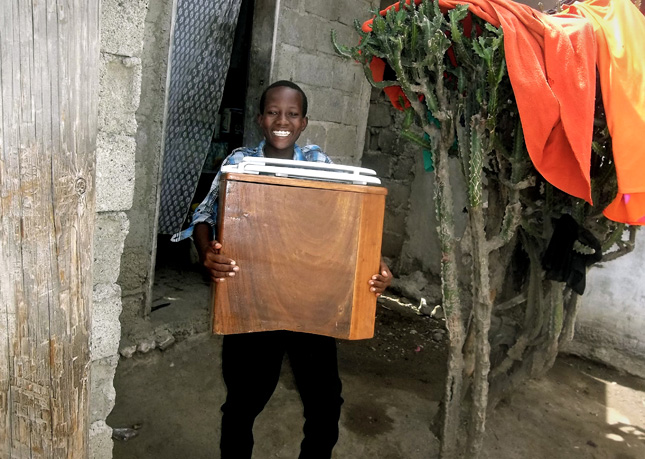
New Approach to Sanitation May Help Fast-Growing Urban Areas Achieve SDGs
›In the late 1990s, world leaders came together to create the Millennium Development Goals – time-bound, quantified targets for addressing extreme poverty and human health and well-being. Notable among them was to “halve, by 2015, the proportion of the population without sustainable access to water and sanitation.”
-
Inside a Data-Driven Attempt to Fight Spoilage in U.S. Food Aid
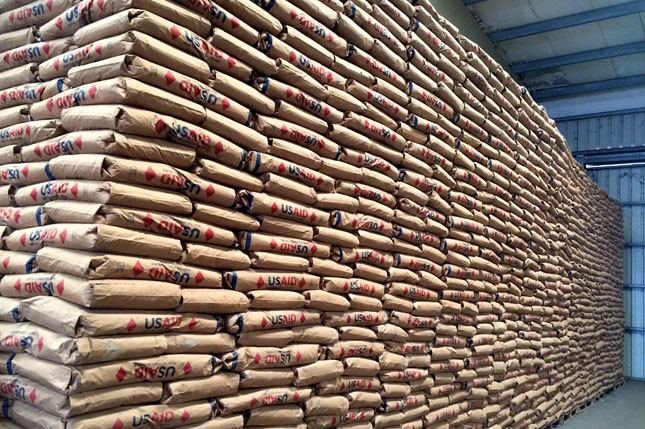
›Today, as El Niño-related droughts impact communities across East and Southern Africa, food aid shipment and distribution networks have shifted into high gear. From the U.S. Agency for International Development to the United Nations World Food Program and NGOs like CARE and Save the Children, food aid providers are stocking port warehouses in Djibouti and South Africa, as well as inland warehouses in countries like Ethiopia, Zimbabwe, and Lesotho.
Showing posts from category zz Organizations.