-
Shreya Mitra & Joe Mulligan, Resilience Compass
Lessons From Kibera on Risks and Resilience for the New Urban Agenda
›October 20, 2016 // By Wilson Center Staff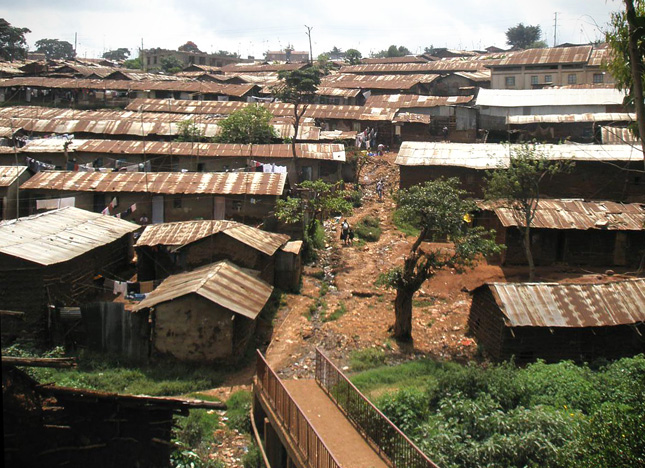
“By 2050 the world urban population is expected to nearly double, making urbanization one of the 21st century’s most transformative trends.” -Draft “Quito Declaration on Sustainable Cities and Human Settlements for All,” September 2016
-
Pathways to Climate-Smart Agriculture in Africa
›
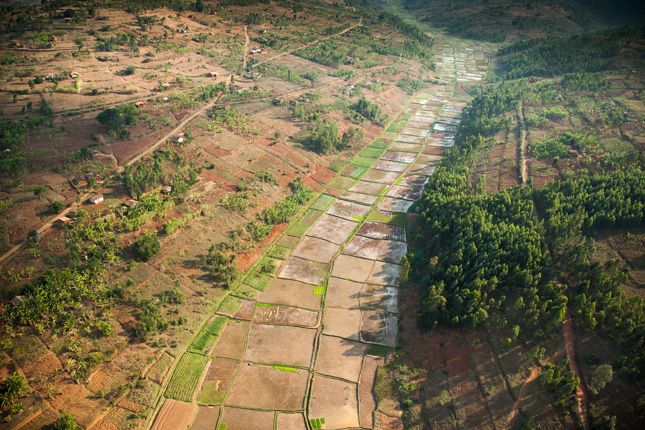
“Climate change and food insecurity are the twin crises that may define Africa’s future,” said the World Bank’s Ademola Braimoh at the Wilson Center on September 13. One proposed solution is so-called “climate-smart agriculture” (CSA), an approach to farming that aims to mitigate the negative impacts of climate change while increasing agricultural production and income. But according to a panel of experts, smallholder farmers around the world have either been slow to adopt CSA practices or failed to sustain their usage over time.
-
What’s Next for the Environment at the UN? Bringing Rights to the Fore, Says Ken Conca
›October 13, 2016 // By Schuyler NullThe United Nations has made significant progress since the Stockholm Conference of 1972 in putting the environment on the global agenda. Indeed, the environment plays a major role in two of the largest UN initiatives today: the Paris climate accord and the Sustainable Development Goals. But in a new brief for the Friedrich Ebert Stiftung Foundation, Wilson Center Fellow Ken Conca writes that the traditional approach to environmental issues is running up against its limits.
-
New UN Secretary-General Brings Humanitarian Experience, But Will It Matter? 5 Things to Watch
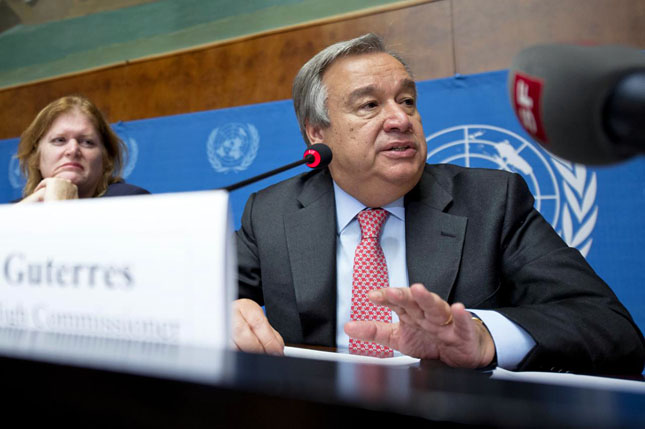
›Over the next few days, many smart people will opine on the prospects for success of António Guterres, the man (yes, surprise, another man) nominated by the United Nations Security Council to be the next UN secretary-general.
-
Assessing Feed the Future in Bangladesh: Production Gains, Nutrition Challenges
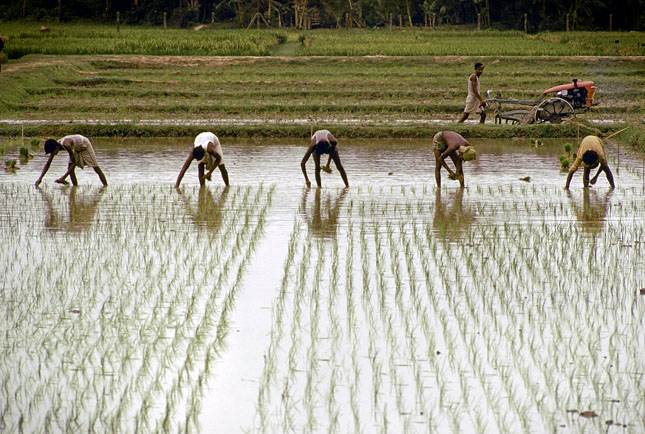
›September 30, 2016 // By Anam AhmedAmong all the countries receiving agriculture and nutrition assistance through the U.S. government’s Feed the Future initiative, Bangladesh receives the third most, at approximately $50 million a year ($55 million has been requested for 2017). Yet Bangladesh’s population is larger than that of the two countries ahead of it, Tanzania and Ethiopia, combined.
-
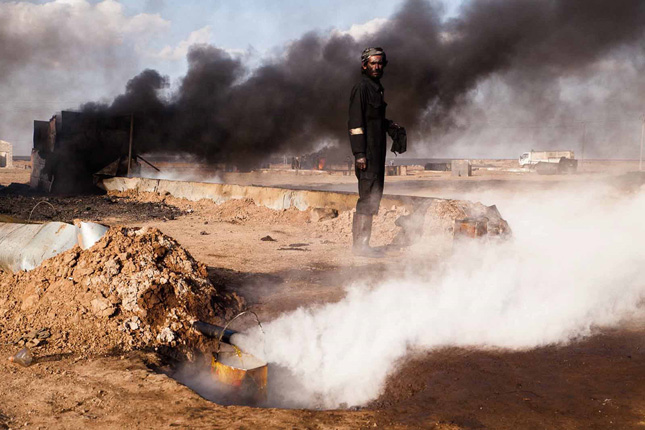
UN Special Rapporteur Calls for Action on Toxic Remnants of War to Protect Children
›This month, Baskut Tuncak, the United Nations special rapporteur on human rights and toxics, presented the findings of his report on the effects of hazardous substances on the lives of children around the world to the 33rd session of the Human Rights Council. His conclusions were bold and brave for their implications on conflict: States should take responsibility for cleaning up the toxic remnants of war and providing medical aid to affected communities and individuals.
-
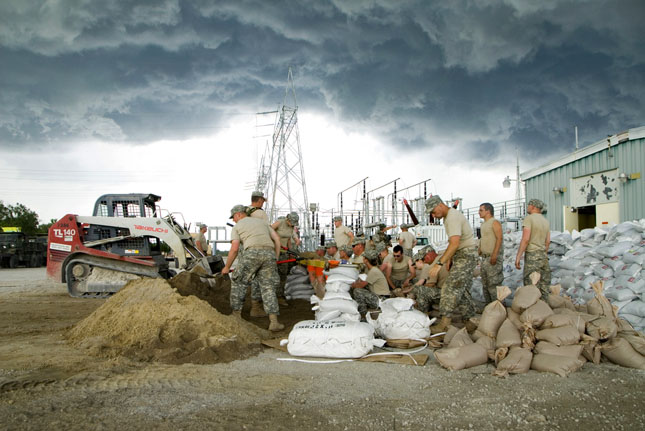
White House Announces Steps to Address Climate and National Security Alongside New Intelligence Assessment
›Yesterday afternoon President Obama announced a new Presidential Memorandum on climate change and national security. The policy directs 20 federal agencies to consider the national security implications of climate change and establish a working group that will develop a Climate Change and National Security Action Plan for the federal government.
-
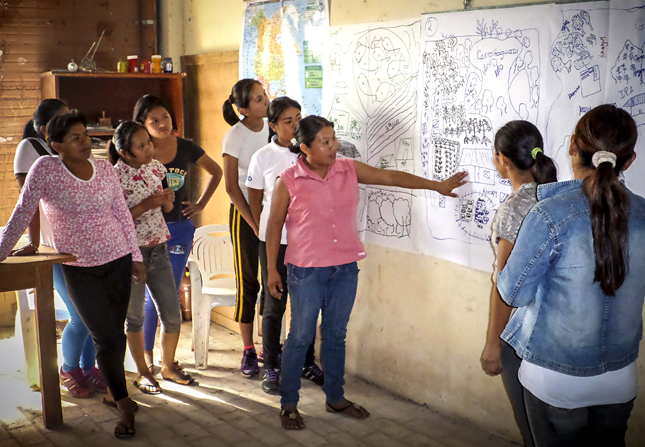
Building a Case for Integrated Development: A New Research Agenda and Examples From the Field
›With the Sustainable Development Goals nearing their one-year anniversary, the global community continues to strive toward eradicating poverty by 2030. In order to achieve this ambitious target, many international development practitioners are embracing a more holistic approach to development, combining traditionally single-sector programming, like health or environment work, into more comprehensive efforts. But such integrated development is sometimes easier said than done.
Showing posts from category zz Organizations.